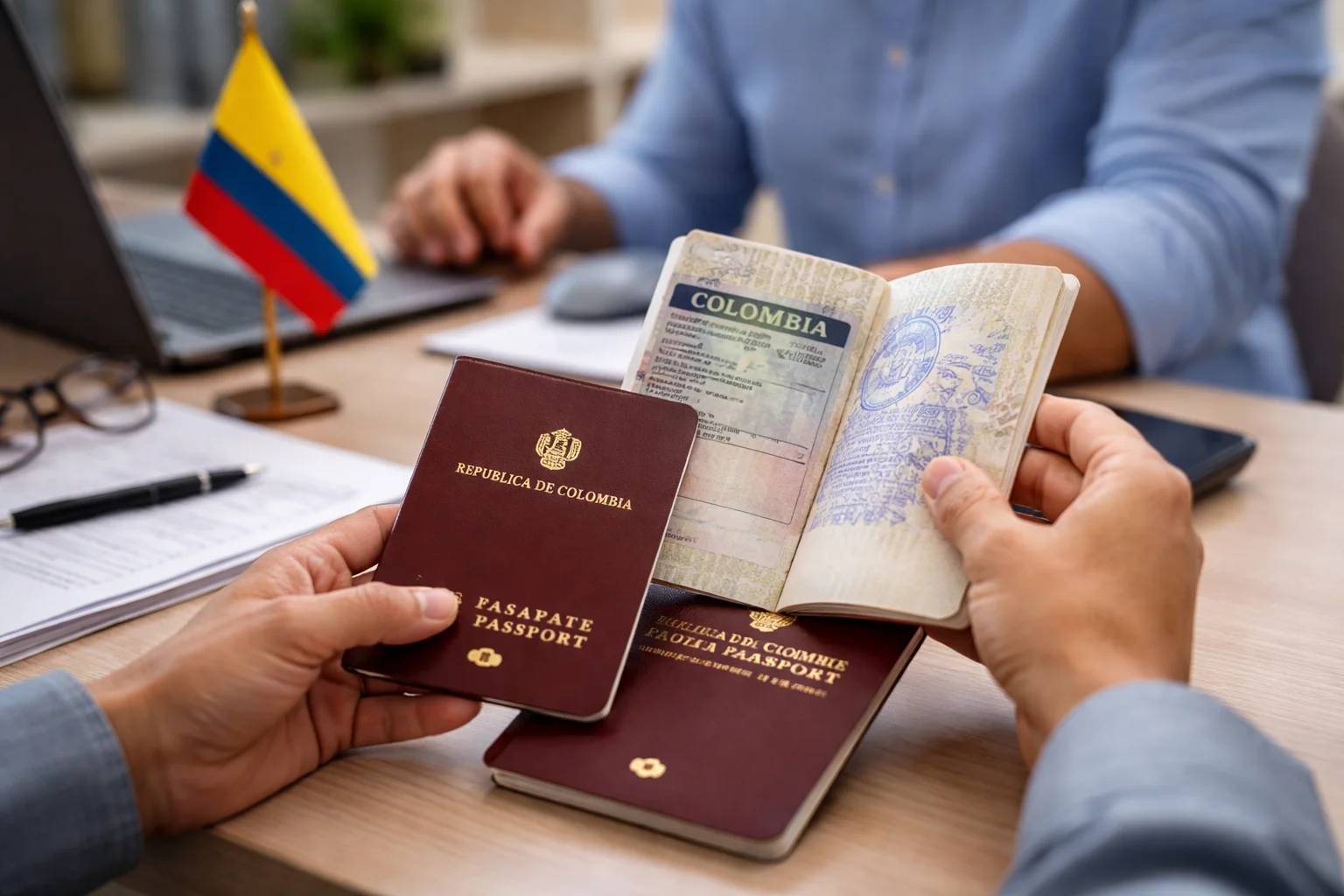
To ensure international document acceptance, an apostille and official translation must follow a strict sequence: first, apostille the original document, then obtain a sworn translation. This dual verification proves a document’s authenticity and content to foreign authorities, typically costing between $50 and $200 depending on urgency. In this playbook, you will learn the 5-step workflow to prevent rework, specific requirements for Colombian visas or property purchases, and how to verify issuing signatures before paying for services.
Mapping destination use, document type and the required legalization route
To determine your legal path, you must classify your document by destination (Colombia vs. abroad) and type (public vs. private). Public documents include government-issued certificates (birth, marriage, death), notarized deeds, and public university diplomas, while private documents consist of contracts and corporate minutes.
When the Destination is Colombia
If using a foreign document in Colombia, follow the “Chain of Authenticity”:
-
Step 1: Obtain an Apostille if the country is a Hague member, or Consular Legalization if it is not.
-
Step 2: Commission an Official Spanish Translation by a court-certified translator.
-
Step 3: Authenticate the translator’s signature at a Colombian notary if required by the specific authority.
When the Destination is Abroad
For Colombian documents intended for international use, the workflow is reversed:
-
Verification: Confirm if the receiving country is a Hague member to determine if you need an Apostille or Consular Legalization.
-
Issuance: Obtain the Apostille directly from the competent Colombian authority (such as the Ministry of Foreign Affairs).
-
Local Requirements: The receiving authority may require the translation to be performed by a sworn translator recognized specifically in that country.
Which documents commonly require Apostille + Official Translation
Some categories of documents are repeatedly requested for cross-border use and usually require both an apostille and an official translation:
- Personal status documents: birth certificates, marriage certificates, divorce decrees, death certificates.
- Academic credentials: university diplomas and transcripts (especially for professional licensure).
- Notarial acts and powers of attorney: for real estate, banking and corporate matters.
- Corporate documents: articles of incorporation, board minutes, certificates of incumbency.
- Judicial documents: court decisions, criminal record certificates, background checks.
Example: if you’re purchasing a home in Colombia as a foreign buyer, notarized powers of attorney and foreign notarized documents must be legalized for use here; this is a common place where people get the order wrong, leading to rework. If your purchase involves a mortgage, the bank may demand an apostille on corporate documents and an official translation for any non-Spanish originals.
If you want to read about practical steps when buying property in Colombia, consider a resource specific to property procedures such as buying property in Colombia.
Order of operations: the workflow that prevents rework
Follow these steps to maximize first-pass acceptance. The sequence and attention to issuing details are more important than speed in most cases:
- Step 1 — Obtain the correct issuing version: request the exact document format required by the receiving authority (long-form vs short-form certificates, apostillable original vs certified copy). For example, many registries want long-form birth certificates with parent names and not abbreviated extracts.
- Step 2 — Confirm the issuing authority’s signature/registration: make sure the document carries the official stamp, registration number, and the name of the issuing officer that the apostille office expects to see. Apostilles often fail when a registry’s signature is missing or not in the official location on the paper.
- Step 3 — Apostille or consular legalization: route the original to the competent apostille authority (or to a consulate when needed). For documents issued in Colombia, the Ministry or district registries handle apostilles; for foreign-issued documents, use the issuing country’s competent authority.
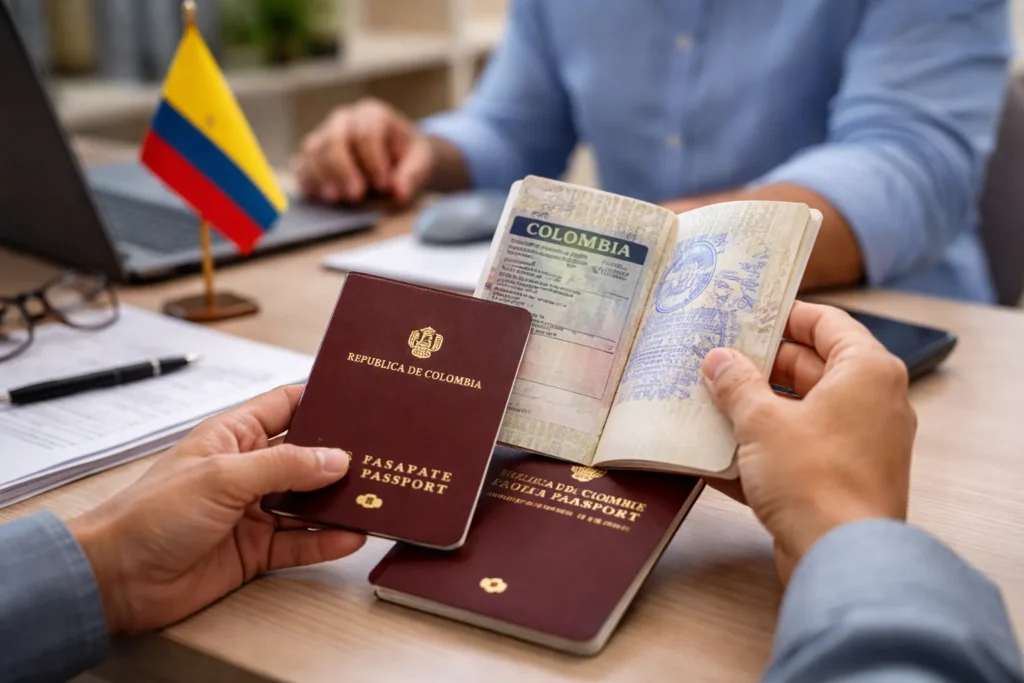
- Step 4 — Official translation (if required): once the original is apostilled or legalized, commission an official or sworn translator recognized by the receiving country. Where Colombia is the receiving country, a translation by a translator registered with a Colombian court or approved by a Colombian notary may be required.
- Step 5 — Translator signature authentication (if required): sometimes the translation itself must be apostilled or the translator’s signature must be authenticated at a notary or by a court, depending on the receiving authority’s rules.
Important sequencing note: the apostille or legalization should be affixed to the original document, not to a translation. Translate only after legalization unless the receiving authority explicitly asks for the translation first (rare). Translating an un-legalized document is a frequent cause of rejection.
Common bottlenecks and how to pre-check them
Typical failure points: wrong issuer (e.g., municipal office vs national registry), missing registered signature, unreadable scans supplied for remote apostilles, and mismatched names between documents (e.g., your passport name differs from your birth certificate). To prevent these, check the target authority’s checklist, request a sample accepted document when possible, and confirm name spelling, accents, and ordering. Make high-resolution scans for remote processing and verify the apostille authority’s field expectations (seal placement, ink color).
Apostille + Official Translation: special cases and country rules
Not all documents follow the same rules and the receiving country may impose extra steps. Examples of special cases:
- Academic credentials for licensure: some professional boards will require the original diploma to be apostilled and the translation to be performed by a translator recognized by the professional board or the foreign ministry.
- Corporate records: some jurisdictions require a certificate of good standing from a government registry plus a notarized translation that is separately legalized.
- Personal documents like marriage certificates: if you plan to claim residency or register a marriage in another country, that country’s civil registry may require both the apostille and a sworn translation—often accompanied by a notarized certification of the translator’s status.
Visa processes are another high-volume area where timing matters. If you are gathering documents for a visa application such as a remote work or digital nomad visa, confirm whether the immigration office needs an apostilled criminal record and an official translation; for Colombia-specific visa requirements you can consult targeted visa guidance like the summary on Colombia digital nomad visa requirements.
Quick reference
| Document type | Typical need for Apostille | Typical translation requirement |
|---|---|---|
| Birth / Marriage / Death certificates | Yes (if from another Hague country) or consular legalization | Yes — sworn official translation into destination language |
| Notarial acts / Powers of attorney | Yes — apostille or consular legalization | Often required; translator’s signature may need authentication |
| Academic diplomas and transcripts | Usually yes for international use | Yes — sometimes by approved translators for licensure |
Choosing speed versus certainty: when to rush and when to prioritize redo risk
Clients face a trade-off: expedited apostille and translation services save time but increase exposure to errors if the issuing document was not the right version. Evaluate the tolerance for rework: for fixed-deadline visa or real estate closings, you may accept the higher cost of expedited services if you have pre-checked the issuing details. For non-urgent matters—academic nostrification, estate administration—prioritize verification steps and standard processing.
Decision guide
- High urgency + high certainty (you verified the issuing document, signatures and name spellings): consider expedited apostille and translation.
- High urgency + low certainty (you’re not sure the issuing format is correct): do not rush. Use a verification step with the issuing office or a legal-review service before paying for fast apostille/translation.
- Low urgency + any certainty level: choose thorough prechecks; avoid paying expedite premiums if you might need to redo translations or legalizations.
Example: if a buyer must close a property purchase next week and the foreign power of attorney has not been issued in the exact notarial format required by Colombian registries, an expedited apostille and translation will still fail at registration. In that scenario the best investment is a short legal review to confirm the exact form—the certainty step—before paying for speed.

Talk to an English-speaking Colombia lawyer
Get clear, step-by-step legal guidance for visas, property, family and business matters in Colombia. We review documents, reduce risk, and represent you when needed. Send your details and we’ll respond with next steps.
Practical workflows: three common use-cases with step-by-step actions
1) Buying property as a foreigner (documents from abroad)
Real estate transactions highlight the need for precision. If you’re using a foreign power of attorney, bank-issued statements, or proof of funds from abroad, those documents must be the exact type accepted by Colombian registries or banks.
Typical workflow: obtain notarial power with a clear grant of authority, have the issuing notary attach the necessary signatures and registry numbers, apostille or legalize at the issuing country’s authority, then obtain an official Spanish translation. Because property closings have immovable deadlines, verify the document format with your Colombian notary before issuing the power of attorney abroad; this avoids wasted apostille/translation fees and rework.
For broader procedural context on property purchases, see our service about buying property in Colombia.
2) Marriage and family records (recognition and immigration)
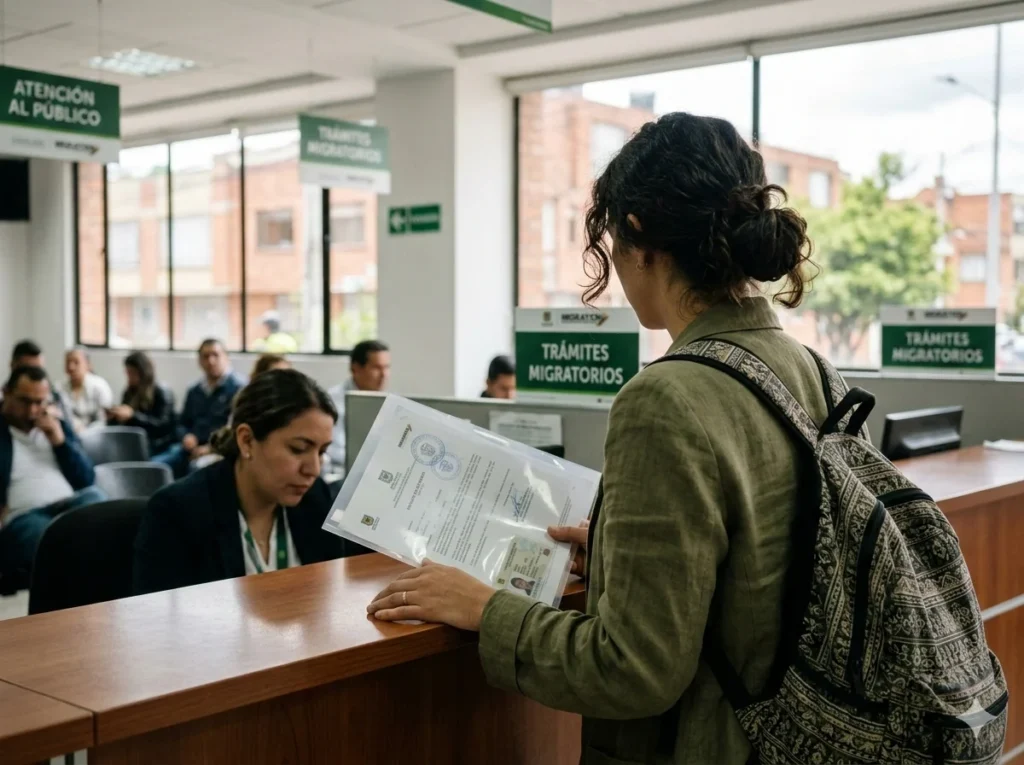
Marriage certificates used for residency or registration require attention to the issuing format and name consistency. If your marriage occurred abroad, you normally must obtain an apostille (or consular legalization) and a sworn translation into Spanish. Double-check whether the Colombian notary or the immigration office requires any additional certification of the translator’s signature. Name mismatches (e.g., middle names, accent marks, order) are a frequent reason for denial. When planning to use a foreign marriage certificate, request a certified long-form version and confirm translation and signature authentication requirements ahead of submission.
If you want to understand legal implications for family matters, including marriage recognition in Colombia, review Colombia marriage laws.
3) Visas and criminal record checks
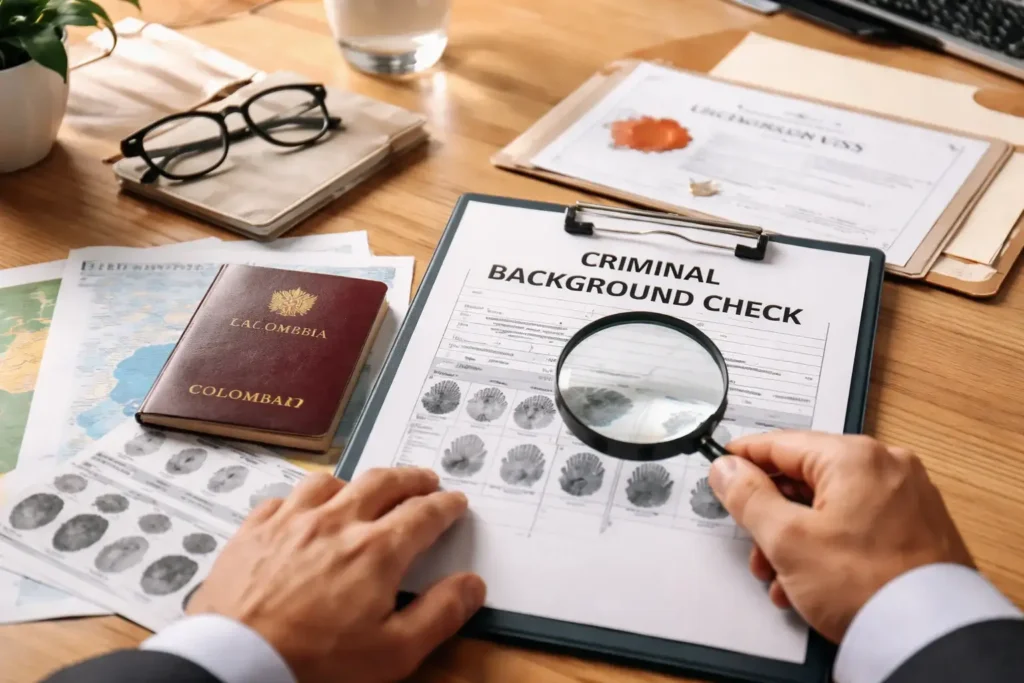
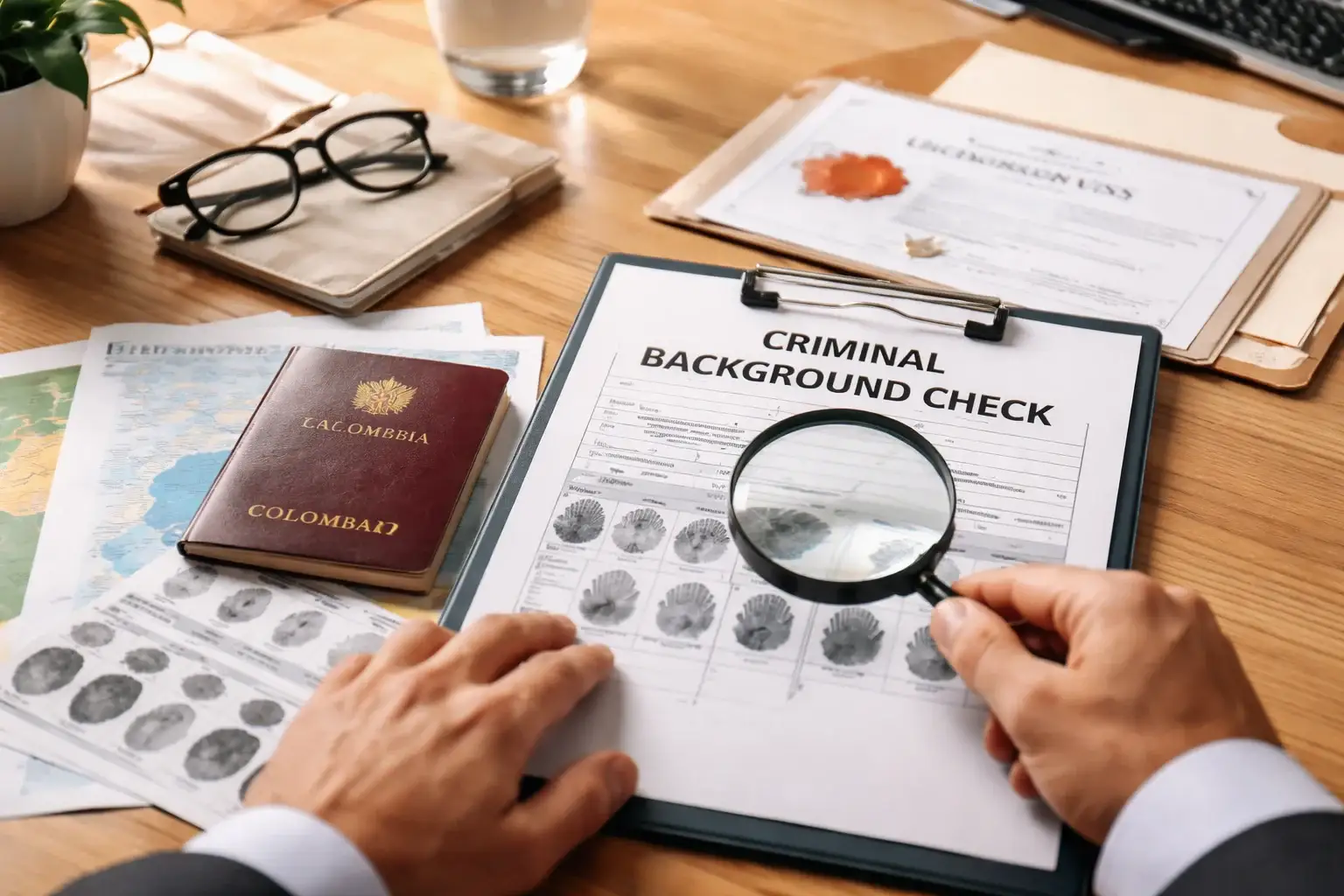
Immigration authorities typically request apostilled criminal record certificates and official translations. For time-sensitive visa filings, match the criminal record’s issuance date and the immigration office’s recency requirement: apostille validity does not inherently expire, but the receiving entity may demand freshly issued underlying documents. Always confirm the date window and whether notarized prints or fingerprint-based certificates are required.
For digital nomad or remote work visas specifically, check immigration guidance as document lists vary; one resource that compiles visa prerequisites is the page detailing Colombia digital nomad visa requirements.
Cost benchmarks, timelines and official calculators
Costs vary across countries, document types, and urgency levels. Three drivers of cost: (1) issuing authority fees (e.g., reissuing a long-form birth certificate), (2) apostille/legalization fees and consular processing costs, and (3) certified translator rates and any authentication fees for translator signatures. Rushed apostilles and certified translations often attract premium charges. Use official government calculators when available for apostille/consular fees and ask translators for a written breakdown that shows whether the price includes authentication. Avoid fixed-price quotes without confirmation; instead, obtain official cost estimates from the issuing authority and from accredited translators to build a realistic budget.
Timelines
Standard apostille processing can range from same-day in some jurisdictions to several weeks in others depending on the authority. Translation turnaround depends on length and complexity; certified translators can often produce short documents in 24–72 hours, longer documents may take longer. Planning buffer days for unexpected re-issues is essential: if the receiving authority rejects the translation format, you may need to redo and re-authenticate, which adds days or weeks.
Final checklist and pre-submission QA to prevent rework
Before you apostille and translate, validate this checklist:
- Correct issuing version: long-form vs extract confirmed.
- Official signatures and stamps present and legible.
- Name spellings and order match across identification documents.
- Confirm which authority (apostille vs consular legalize) is required for the destination country.
- Translator credentials: ensure the translator is authorized by the destination country or recognized by the receiving institution.
- Check whether the translation needs its own apostille or the translator’s signature must be authenticated.
- High-quality scans saved with original file names; retain originals for final submission.
Actionable tip: before any apostille or translation, create a two-page summary sheet describing the receiving authority’s exact document checklist, including the required language, notarization, and any recency windows. Provide that sheet to your translator and apostille agent to avoid misalignment.
Apostille Validity and Name Mismatches
While an apostille itself does not expire, its acceptance depends on the “recency” of the underlying document. Most authorities, such as immigration or registries, require documents (like criminal records) to be issued within the last 3–6 months. If the original document is too old, the apostille—though technically valid—will be rejected.
How to Fix Name Mismatches
If names on your ID and legal documents do not match exactly, use one of these two remedies:
-
Option 1 (Affidavit): Obtain a notarized sworn affidavit explaining the discrepancy, then apostille and translate that affidavit.
-
Option 2 (Re-issuance): Request a corrected version of the primary document from the issuing authority and repeat the Apostille + Official Translation sequence.
QA Tip: Always verify which remedy the receiving institution prefers to avoid expensive rework or double translation fees.
Where to get help and how Stanford Baker & Associates supports you
As a legal team specialized in Colombian law and cross-border transactions, Stanford Baker & Associates assists clients in navigating the complex apostille and translation workflow. Our firm provides a thorough document review and QA (Quality Assurance) to verify that original signatures, stamps, and formats meet official requirements before any processing begins. By coordinating the necessary steps between government authorities and court-certified translators, we help minimize the risk of document rejection and ensure all materials are legally sound for visas, real estate, or corporate use in Colombia.
Talk to an English-speaking Colombia lawyer
Get clear, step-by-step legal guidance for visas, property, family and business matters in Colombia. We review documents, reduce risk, and represent you when needed. Send your details and we’ll respond with next steps.
Apostille and Official Translation processes are predictable when approached as a workflow: classify destination and document type, secure the correct issuing version, apostille or legalize the original, then obtain a certified translation and authenticate the translator’s signature when required. Prioritize pre-checks to minimize rework, and balance speed versus certainty based on the stakes and deadlines. For complex cases—real estate, visas, corporate filings—use legal review early in the process to prevent expensive delays.
Frequently asked questions about legalizations and sworn translations
? How can I confirm the correct issuing version before apostille to avoid rework?
? What are the most common translation errors that cause rejections and how to prevent them?
? How do I decide between apostille vs consular legalization for a document from a non-Hague country?
? When should the translator’s signature itself be apostilled or notarized?
Recommendation: before translating, ask whether the translator must be sworn or if their signature needs notarization or apostille. If required, incorporate the notarization step into your timeline and provide the translator with the document that will be notarized so they can prepare the proper declaration language.