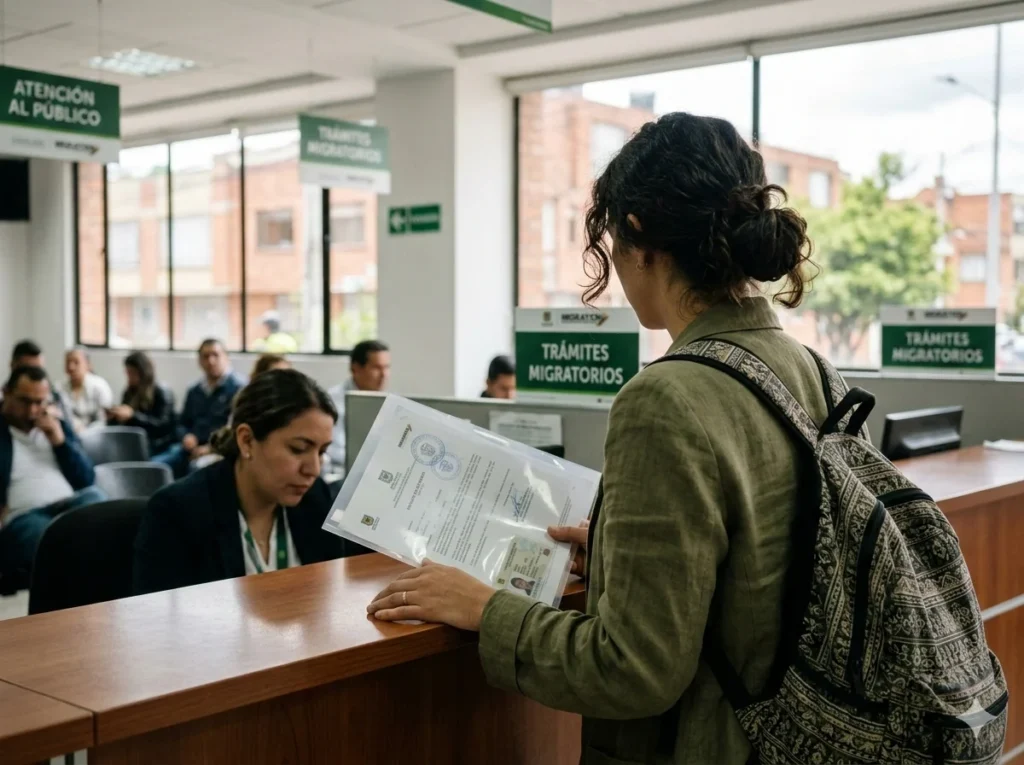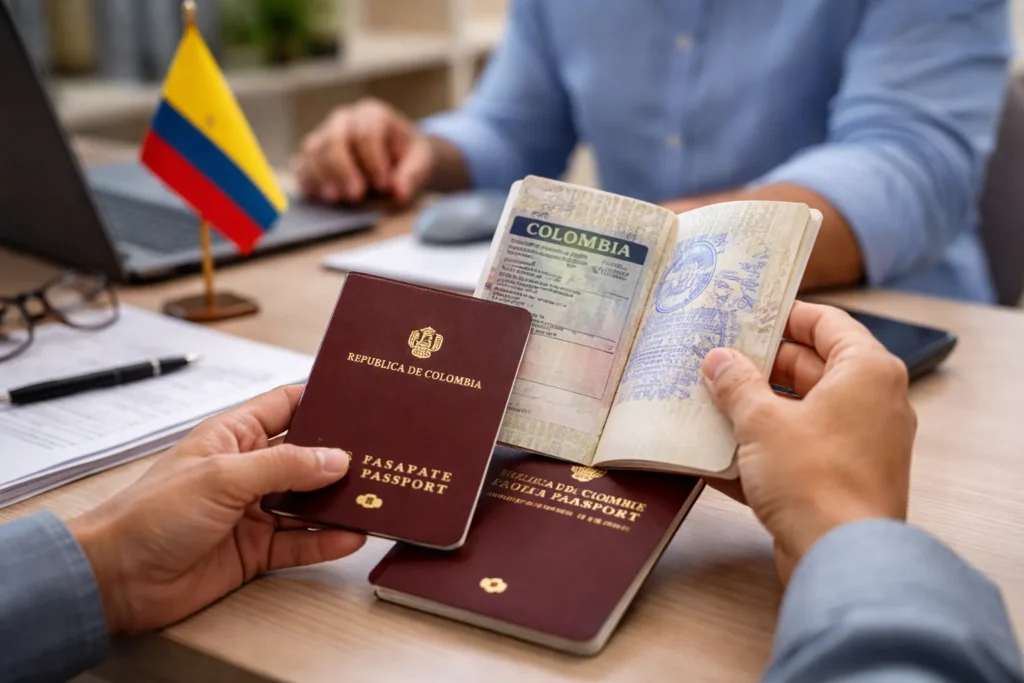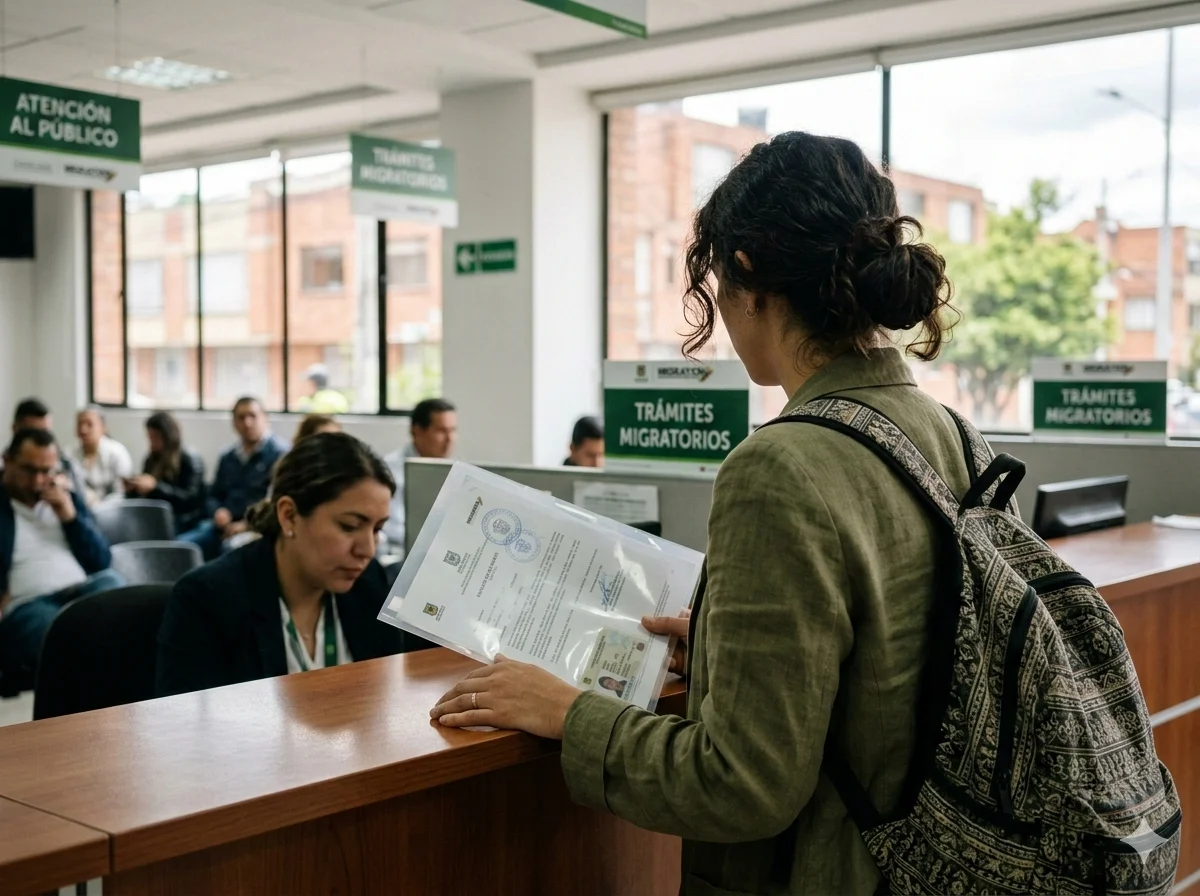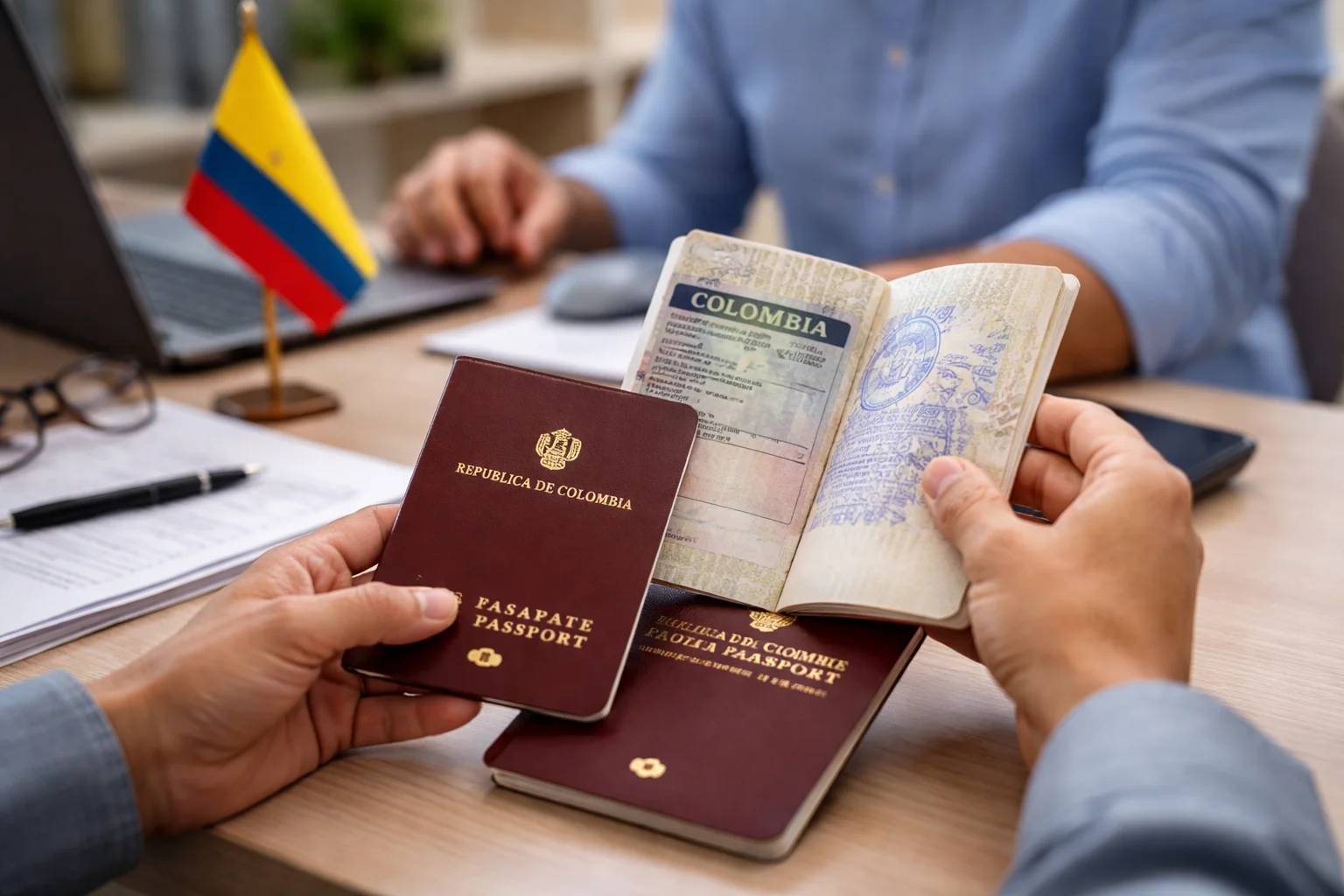
The best visa to live in Colombia long-term is the one that aligns with your income source—such as the Retirement (M-11) for pensioners or the Marriage Visa for those with Colombian partners. While options vary, the most sustainable paths require meeting specific income thresholds, investment minimums, or recognized family ties to ensure legal continuity.
In this guide, you will learn how to compare the main legal pathways, calculate timelines for permanent residency, and avoid common compliance risks for foreigners.
Quick Summary: Choosing Your Long-Term Path
| Profile | Recommended Visa | Path to Residency |
| Retirees / Pensioners | Retirement (M-11) Visa | High / Direct after 5 years |
| Spouses of Colombians | Marriage (M) Visa | Very High / 2 years |
| Investors & Business | Investment (M or R) Visa | High / 5 years (M) or Immediate (R) |
| Remote Workers | Digital Nomad (V) Visa | Low / Does not count toward residency |
Understanding Long-Term Visa Strategies in Colombia
Living in Colombia long-term is not about choosing a visa name—it is about building a legal strategy that supports continuity, compliance, and future eligibility for Colombian citizenship.
Colombian immigration law is designed around the purpose of stay. The Ministry of Foreign Affairs prioritizes the consistency of your legal presence. This means the “best” choice depends entirely on your financial and family profile. At Stanford & Baker Associates, we advise clients to look beyond the initial 12–36 months and plan for the eventual “Resident” status.
Income-Based Routes: Retirement and Passive Income
For many U.S. citizens, income-based visas are the most reliable legal pathways. These categories are intended for foreigners who can financially support themselves without competing in the local labor market.
The Retirement (M-11) Visa
The Colombian Retirement Visa is specifically for those receiving a government pension or Social Security.
- The Path: After 5 years of holding this Migrant (M) visa, you become eligible for the Resident (R) visa.
- Who it’s for: Retirees with a stable monthly pension of at least 3x the Colombian minimum wage.
- Advantages: Lower complexity and a very high approval rate when documentation is clear.

Talk to an English-speaking Colombia lawyer
Get clear, step-by-step legal guidance for visas, property, family and business matters in Colombia. We review documents, reduce risk, and represent you when needed. Send your details and we’ll respond with next steps.
Family-Based Visas: Marriage and Dependents
Family-based immigration is the most protected pathway in the Colombian legal system. If you have a Colombian spouse or child, your route to permanent status is significantly accelerated.
- Marriage/Permanent Partnership: This allows you to apply for permanent residency after only two years of holding the M-type visa.
- Parents of Colombian Children: Parenthood provides a strong legal anchor, often simplifying the financial requirements compared to other categories.
Expert Note: Authorities apply high scrutiny to relationship authenticity. Ensuring your civil documents (marriage certificates, birth certificates) are properly apostilled is vital.
Investment and Business-Based Pathways
If you have the capital, using an investment to secure your stay is a highly efficient “Best Visa to Live in Colombia Long-Term” strategy.
- Real Estate Investment: Buying property in Colombia can qualify you for either a Migrant (M) or a Resident (R) visa, depending on the amount.
- Business Ownership: Starting a Colombian company or investing in an existing one allows you to control your own immigration sponsorship.
- Direct Residency: Large investments in real estate (approximately 650x the minimum wage) can bypass the 5-year waiting period, granting you a Resident Visa immediately.
Talk to an English-speaking Colombia lawyer
Get clear, step-by-step legal guidance for visas, property, family and business matters in Colombia. We review documents, reduce risk, and represent you when needed. Send your details and we’ll respond with next steps.
Work and professional visas as a long-term plan
Work-based visas can serve as a valid long-term strategy when employment conditions are stable and properly structured. While they are not always the fastest route to permanent residency, they remain an important option for professionals whose careers are closely tied to Colombian companies or long-term contractual relationships.
Employment as a stepping stone
Migrant visas based on employment allow foreign professionals to reside and work legally in Colombia while building a continuous immigration history. From a legal perspective, the viability of this route depends on job stability, contract duration, and compliance with both immigration and labor regulations.
Best suited for
- Foreign professionals employed by Colombian companies
- Specialists with long-term or renewable contracts
- Executives relocating as part of corporate expansions
Benefits
- Legal authorization to work in Colombia
- Renewable immigration status
- Potential transition to permanent residency over time
Limitations
- Immigration status is directly tied to the employer or contract
- Loss of employment may result in loss of legal status
- Typically a longer and less predictable path to permanent residency
From residency to Colombian citizenship
For many foreigners, obtaining permanent residency is an important milestone—but not the final objective. Colombian immigration law allows eligible residents to apply for nationality once specific residence periods, legal continuity, and integration requirements are met. This stage requires long-term planning and a clean immigration history.
Long-term planning beyond visas
Colombian citizenship becomes available to foreigners who have maintained lawful residence over time and demonstrated compliance with immigration, civil, and tax obligations. Unlike visa-based status, citizenship provides permanent legal certainty and full integration into Colombian society.
Citizenship offers
- Full political and civil rights
- Elimination of visa renewals and immigration restrictions
- Greater regional and international mobility
The transition from residency to citizenship requires strict compliance, uninterrupted legal status, and properly documented residence periods. Because of the legal scrutiny involved, this phase should be planned well in advance to avoid setbacks or delays in eligibility.
Comparing visa support options for living in Colombia long-term
Choosing the right visa support depends on your income source, family ties, investment plans, and long-term objectives. The table below summarizes which type of visa fits best depending on your profile and goals.
| Visa / Legal Service | Best suited for | Long-term suitability | Path to residency & citizenship |
|---|---|---|---|
| Digital Nomad Visa | Remote workers and freelancers earning income abroad | Medium | Limited; not ideal for permanent residency |
| Colombia Investment Visa | Real estate investors, business owners, entrepreneurs | High | Strong; can lead directly to permanent residency |
| Marriage Visa | Spouses or partners of Colombian citizens | Very High | Direct and accelerated path |
| Type M-11 (Retirement) Visa | Retirees with pensions or Social Security income | Very High | Clear transition to permanent residency |
| Resident Visa | Foreigners who completed qualifying residence periods | Permanent | Pre-citizenship stage |
| Type M (Migrant) Visa | Professionals, employees, investors, family members | High | Gradual path depending on category |
| US Visas for Colombia Citizens | Binational families with U.S. immigration needs | Indirect | Supports family continuity, not Colombian residency |
| Colombian Citizenship | Long-term residents seeking full legal integration | Permanent | Final legal status |