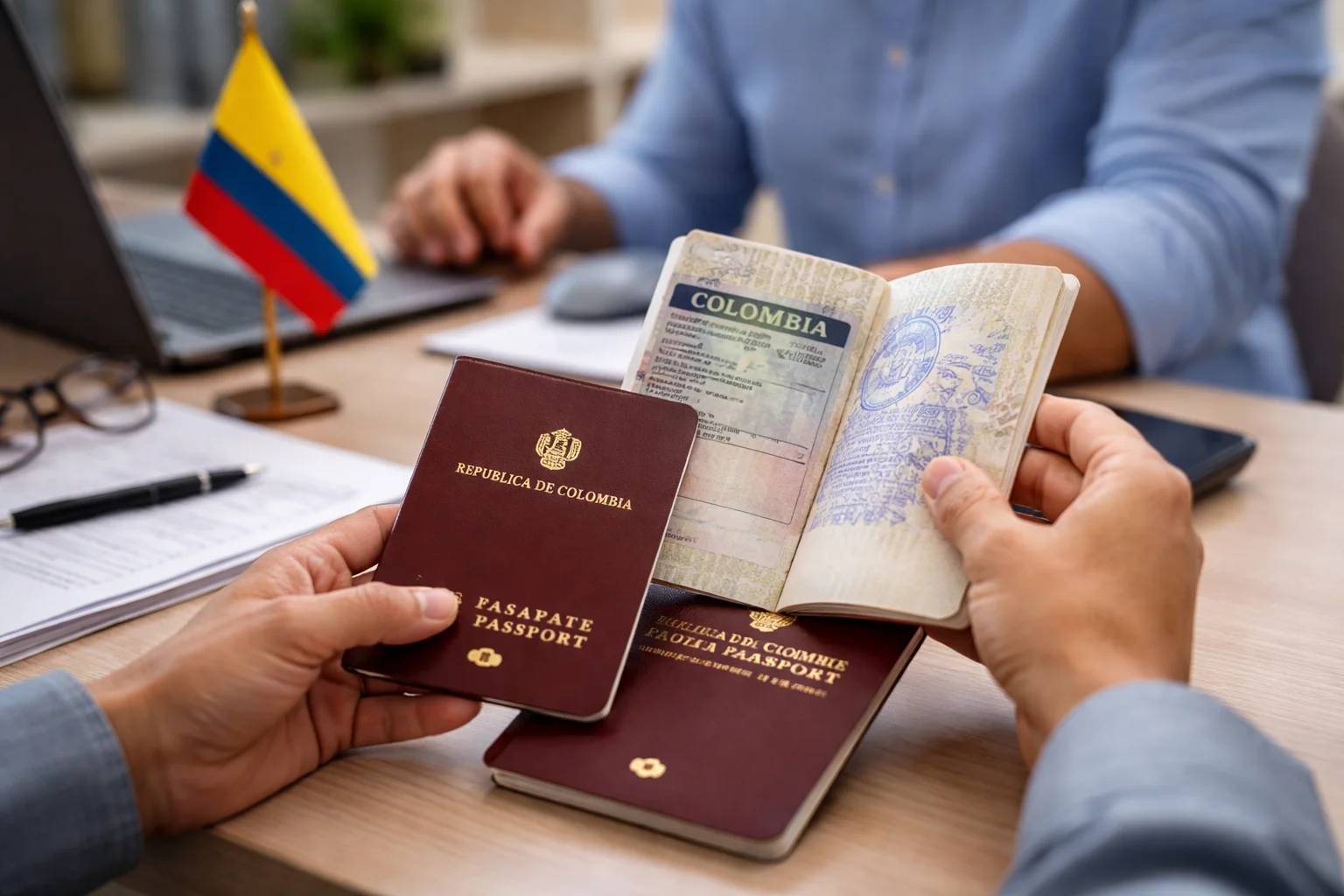
Buying property in Bogotá, Colombia, requires a formal title study, a promissory agreement, and mandatory foreign investment registration with the Banco de la República. Typical prices for apartments in premium areas like Chicó or Rosales range from $1,500 to $2,500 USD per square meter.
This guide covers the 6 essential legal steps, including tax ID (RUT) acquisition and notary procedures, to ensure a secure purchase for foreigners. You will also learn about investment visa eligibility, closing costs, and how to avoid common title traps.
Quick Summary: Bogotá Real Estate at a Glance
| Key Factor | Details for Foreign Buyers |
| Typical Price | $1,000 – $2,500 USD per m² (Neighborhood dependent) |
| Legal Status | Passport is sufficient; no residency required |
| Closing Costs | ~3.5% to 4% of property value (Fees + Taxes) |
| Visa Potential | Purchases over ~350-650 minimum wages may qualify |
| Essential ID | RUT (Tax ID) issued by the DIAN |
The Bogotá Real Estate Market: Neighborhood & Zoning Fit
When evaluating how much is an apartment in Bogotá, Colombia, it is essential to look beyond the listing price. Bogotá’s market is heavily regulated by the Plan de Ordenamiento Territorial (POT), which dictates land use, heritage protections, and short-term rental permissions.
Market Comparison by Zone (2025/2026)
| Zone / Neighborhood | Price per m² (Avg) | Monthly Rent (1BR) | Best Fit For |
| Chicó / Parque 93 | $2,000–$2,500 | $700–$1,000 | Executives & Luxury |
| Rosales | $1,800–$2,400 | $650–$900 | High-end Residential |
| Usaquén / Santa Bárbara | $1,400–$2,000 | $500–$800 | Mixed-use / Expats |
| Cedritos | $1,200–$1,600 | $400–$700 | Families / Long-term |
| Modelia / Normandía | $1,000–$1,300 | $350–$600 | Value / Near Airport |

If you are relocating to Colombia as part of a lifestyle change, prioritizing the safest places in Colombia is the first step before committing to a purchase in the capital.
Why these prices matter?
Many U.S. citizens and retirees planning buying property in bogota colombia tend to focus only on prices or rental income. However, Bogotá’s market is heavily influenced by legal and regulatory factors that directly affect your investment:
- Land-use regulations (POT) that define what can be built or modified
- Heritage protection laws that restrict remodeling in certain zones
- Height and density limits that affect building value and future development
- Commercial vs. residential zoning rules that determine permitted uses
- Restrictions on short-term rentals, impacting Airbnb or furnished leasing
- Eligibility requirements for investment visas tied to property type and value
- Legal conditions that influence long-term rental profitability and resale potential
Legal Due Diligence Checklist
Before signing any document or sending funds, ensure these “Red Flags” are cleared through a professional property title search.
- [ ] Chain of Ownership: Does the seller actually own 100% of the rights?
- [ ] Lien Search: Are there any active mortgages, seizures (embargos), or pending lawsuits?
- [ ] Tax Clearance: Is the Impuesto Predial (Property Tax) paid up to date?
- [ ] Zoning (POT): Is the property in a “Heritage Protection” zone that forbids remodeling?
- [ ] Unregistered Improvements: Does the physical construction match the area registered on the deed?

Talk to an English-speaking Colombia lawyer
Get clear, step-by-step legal guidance for visas, property, family and business matters in Colombia. We review documents, reduce risk, and represent you when needed. Send your details and we’ll respond with next steps.
6 Steps to Buying Property in Bogotá Colombia
1. Obtain Your Tax ID (RUT)
You cannot sign a public deed or pay property taxes without a Registro Único Tributario (RUT). This is your fiscal identity in Colombia.
2. The Title Study (Estudio de Títulos)
This is the most critical step. An attorney reviews the last 20–30 years of history via the Certificado de Tradición y Libertad to ensure no “hidden heirs” or irregular occupants can claim rights later.
3. The Promissory Agreement (Promesa de Compraventa)
This binding contract sets the price, penalties, and closing date. Never use a template provided by a realtor without legal review; these often favor the seller and leave foreign buyers unprotected.
4. Foreign Exchange Registration
To protect your ability to repatriate funds or apply for an investment visa, you must register the money entering Colombia with the Central Bank (Banco de la República). Failing to do this can lead to massive fines.
5. Signing the Public Deed (Escritura Pública)
The buyer and seller sign the deed at a notary. The notary authenticates signatures but does not verify the legal health of the title—that remains your attorney’s responsibility.
6. Registration (Instrumentos Públicos)
The purchase is only “final” once the deed is registered at the Office of Public Instruments. This officially transfers ownership to your name.
Talk to an English-speaking Colombia lawyer
Get clear, step-by-step legal guidance for visas, property, family and business matters in Colombia. We review documents, reduce risk, and represent you when needed. Send your details and we’ll respond with next steps.
Short-Term Rental Compliance (Airbnb Rules)
If you are buying for investment, be aware of these Red Flags:
- Building Bylaws: Most residential buildings in Bogotá explicitly prohibit rentals shorter than 30 days unless specifically authorized in the Reglamento de Propiedad Horizontal.
- National Tourism Registry (RNT): You must obtain an RNT before listing on Airbnb to avoid property closure and government fines.
Closing Costs and Ongoing Taxes
Knowing how much a house in Colombia costs involves more than the sticker price. Budget for the following:
- Legal Fees: 1% to 1.5% of the property value.
- Notary & Registration Fees: Approx. 2% to 2.5% shared between parties.
- Annual Property Tax (Predial): 0.5% to 1% of the cadastral value.
Benefits of Buying Property in Bogotá
Buying real estate in Bogotá offers meaningful advantages for foreigners seeking long-term stability, legal protection, and a strategic foothold in Colombia’s capital.
1. Strong Legal Protection for Owners
Colombian property law provides solid protections for foreign buyers, as long as each legal step—title study, contract review, and proper registration—is completed correctly. When handled by professionals, ownership rights are clear, enforceable, and secure.
2. Visa Opportunities
Real estate purchases can qualify foreigners for the Investment Visa, making Bogotá an attractive choice for U.S. citizens, retirees, digital nomads, and long-term residents who want a pathway to residency and eventual citizenship.
3. Long-Term Appreciation
Bogotá continues to be one of the most stable and reliable real estate markets in the country. Limited inventory in prime neighborhoods and ongoing urban development projects contribute to steady property value growth.
If you are considering Colombia as a long-term destination—whether for retirement or lifestyle reasons—you can learn more here: Retire in Colombia: Pros and Cons
Common Mistakes Foreign Buyers Make
- Skipping the title study
- Accepting seller-drafted contracts
- Failing to register foreign funds
- Ignoring zoning restrictions
- Assuming the notary guarantees legal safety (they don’t)
Ready to Buy Property in Bogotá With Legal Protection?
Do you want to ensure your contract, title, and funds are properly reviewed before moving forward? Our legal team specializes in supporting foreigners through safe, fully compliant property purchases in Bogotá. Stanford Baker & Associates ensures your purchase is fully compliant, transparent, and protected at every stage—from the initial title study to the registration of your foreign investment