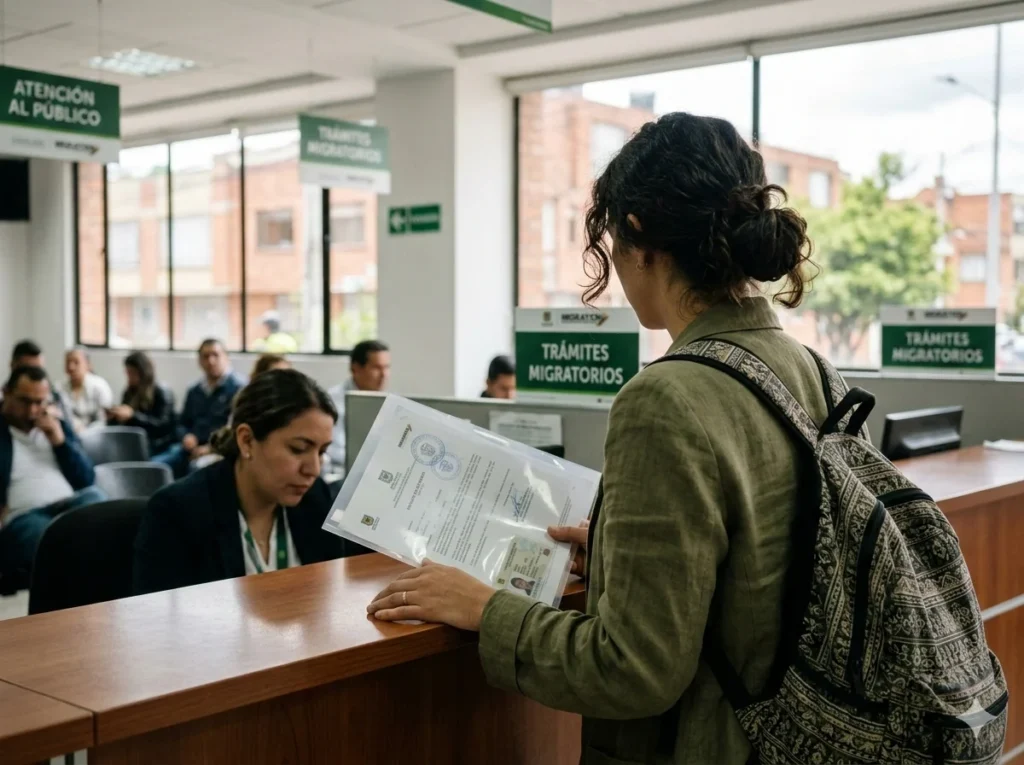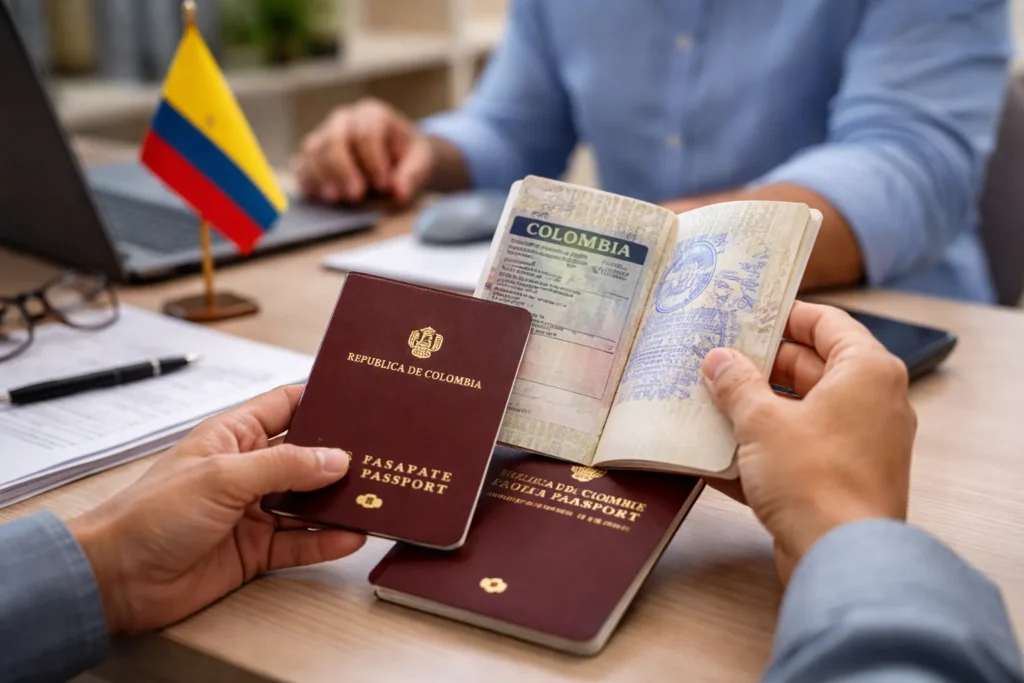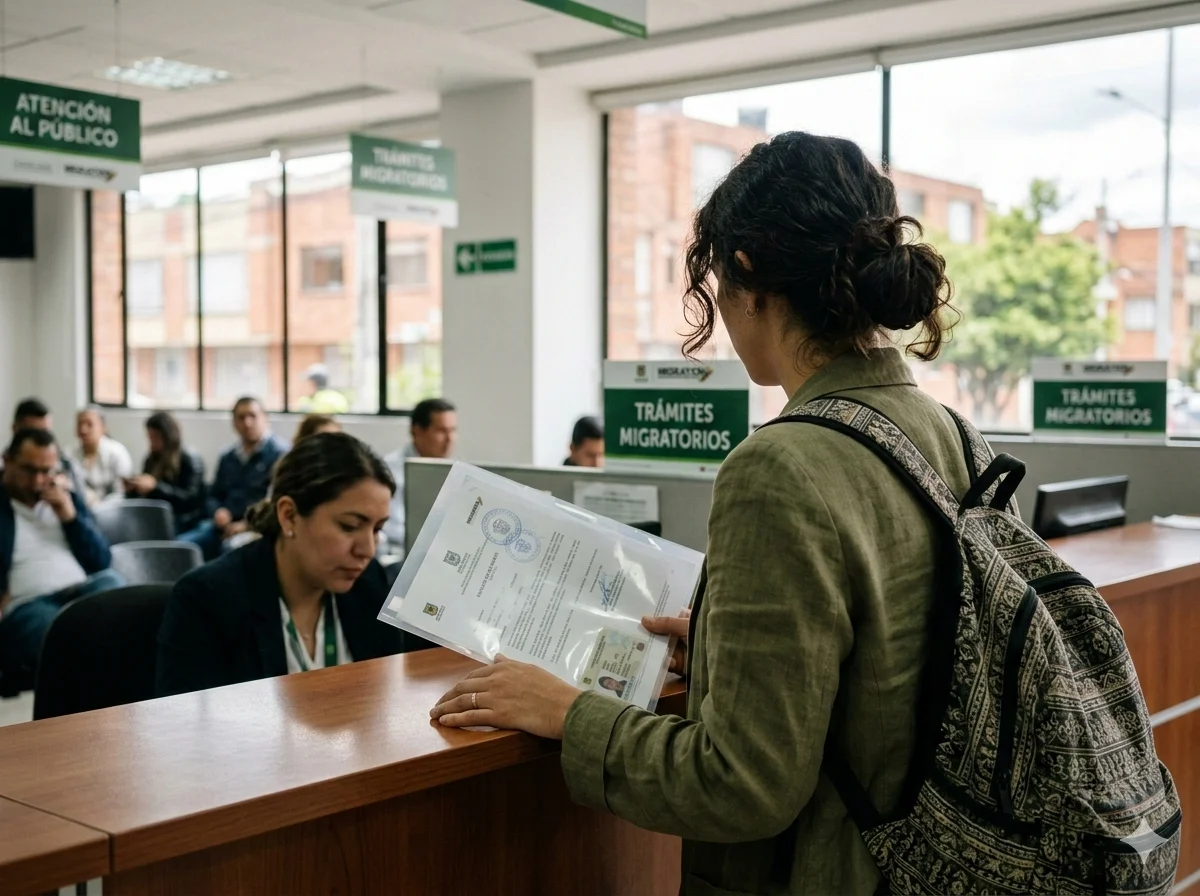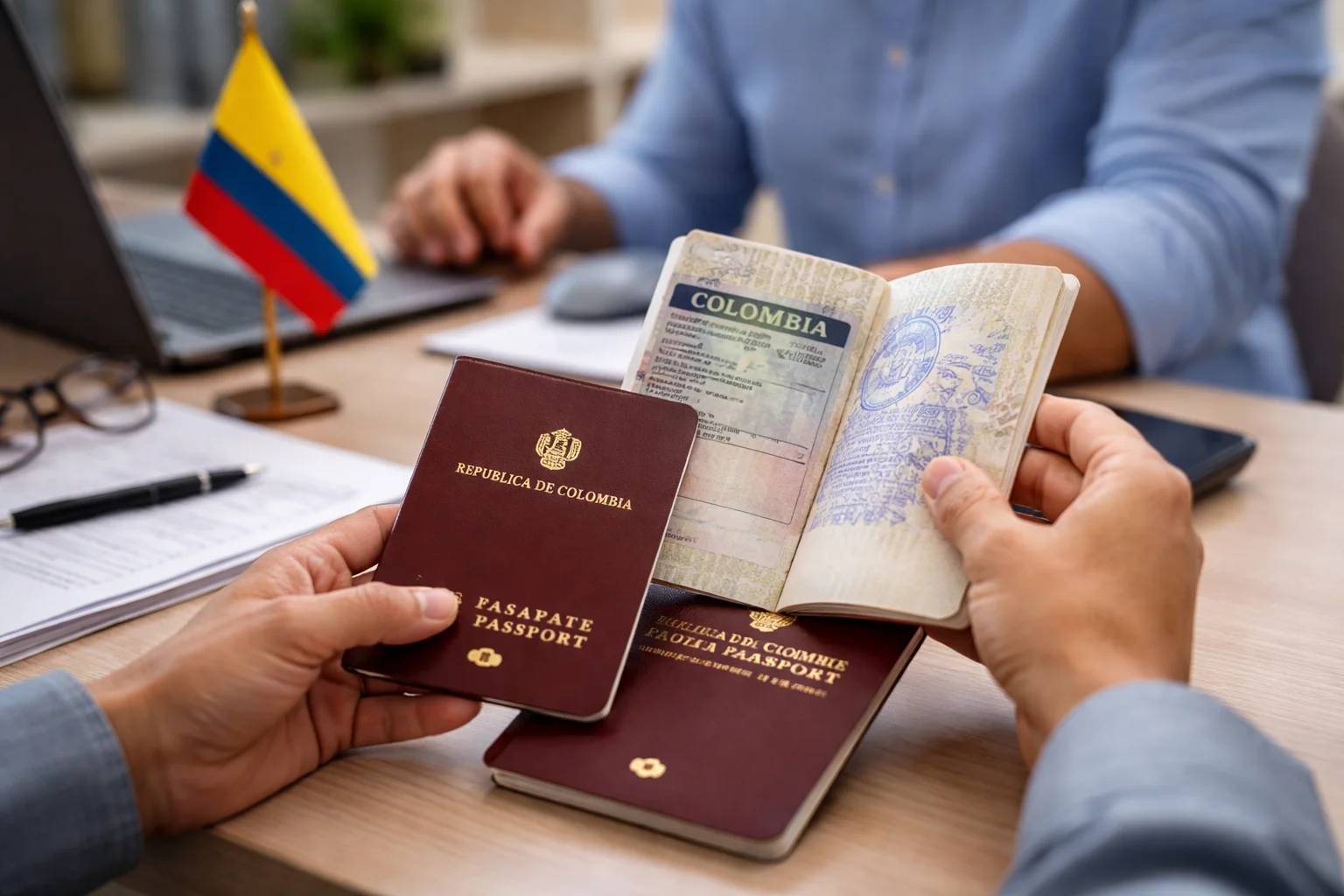
A successful colombia visa re-application strategy requires more than just resubmitting the same documents; it demands a precise diagnosis of the denial grounds and a substantive upgrade of your evidence. Whether you faced a technical rejection or a formal denial, the clock starts immediately on departure deadlines. In this guide, we break down the five levers to flip—from aligning your visa class to cleaning identity inconsistencies—to convert a prior refusal into an approval in 2026.
Decision taxonomy: why labeling the outcome matters
Before you plan any Colombia Visa Re-Application Strategy, classify what happened. Immigration decisions typically fall into three operational buckets: a request for information (RFI), a formal denial, and other negative outcomes (revocation, administrative closure, or technical rejection). Each bucket demands a different operational response and timeline.
Request for Information (RFI)
An RFI is an invitation, not a punishment. It means the officer needs more documentation to finish the evaluation. The right response is fast, technically complete, and narrowly tailored — provide the exact file the officer asked for, in the correct format, with certified translations or legalization if required. If you feel uncertainty about how to answer an RFI or which documents satisfy the legal standard, consult an immigration lawyer for Colombia to avoid over-answering or creating new inconsistencies.
Denial
A denial is a final negative decision on the application. It often cites specific legal grounds (insufficient ties, inadequate proof of funds, lack of genuine employment or study intent, or mismatched visa class). A denial usually triggers immediate consequences (departure deadlines, formal notices) and may start a re-application restriction period that varies by case and visa category. In short: treat a denial as a substantive failure that requires correction of the root deficiency, not cosmetic fixes.
Other negative outcomes (revocation, technical rejection, withdrawal)
Revocations occur when authorities later discover falsehoods or when a status-holder breaches visa conditions. Technical rejections are administrative (incorrect fee, wrong form, missing apostille) and can often be solved quickly if identified. Withdrawals initiated by the applicant are neutral only if performed before a final decision; otherwise, withdrawing may be strategic but requires professional assessment.
Immediate consequences that matter for a Colombia Visa Re-Application Strategy
When immigration refuses or rejects an application, the clock often starts immediately. The practical consequences you must track are: departure deadlines if you are in-country; whether a formal deportation or voluntary exit is on record; and any re-application bar (a common restriction period, often several months). Missing a departure deadline can escalate the situation to fines, entry bans, and criminal exposure. A clear timeline keeps risk under control while you prepare a robust refiling.
Departure deadlines and in-country status
If you are in Colombia on a tourist stamp or current visa and receive a denial for a change of status or new visa, the refusal will often include instructions about remaining time in country. Some denials allow a brief grace period to depart; other decisions convert status immediately to an unlawful presence.
Re-application restriction periods
Immigration authorities sometimes impose a cooling-off period after a denial; this might be explicit (e.g., six months) or implicit (the standard that the same facts cannot be presented again for a defined time). That is why the Colombia Visa Re-Application Strategy must not aim for immediate re-submission of the same file — doing so usually leads to the fastest route to a second denial because the authority sees nothing new to warrant reversal.
Why the same file, re-submitted, often fails again
Two systemic reasons explain repeat denials. First, reviewers look for demonstrable change. If the second file duplicates the first without new evidence or a corrected narrative, officials assume the applicant hasn’t remedied the deficiency. Second, administrative heuristics: immigration officers seek consistency across documents. When inconsistencies remain (different names, dates, bank totals), the officer’s default is caution — leading to refusal.
Reviewer heuristics and institutional bias
Immigration reviewers develop patterns: missing or low-quality evidence triggers a skepticism cascade. Evidence that would be persuasive in a commercial audit may be insufficient for immigration if not certified, tied to reliable sources, or clearly connected to the applicant’s intent.
Document inconsistency as a red flag
Small discrepancies create disproportionate damage. Different name spellings, mismatched birthdates across passports and civil records, and inconsistent employment titles signal unreliability. Before refiling, perform a systematic cross-check of all identity, civil, and travel documents to remove contradictions.
What to change before refiling: the Colombia Visa Re-Application Strategy checklist
Refiling is not a ritual; it is a corrective action. A robust Colombia Visa Re-Application Strategy focuses on five levers: correct the root deficiency, upgrade evidence quality, align the visa class to the real activity, rebuild the narrative of ties/funds/legitimacy, and clean cross-document inconsistencies. Below are practical actions per lever.
1) Correct the root deficiency
Diagnose precisely why the initial application failed. Was the denial about insufficient proof of employment, insufficient partner or family ties, or the applicant’s motive? The corrective action must map directly to the cited ground. For example, if the officer said ‘insufficient financial means,’ providing more bank screenshots won’t work; you must provide demonstrable, recurring income (payroll stubs, tax returns, employer letters, or third-party guarantees).
2) Upgrade evidence quality
Quality matters as much as quantity. Replace screenshots with official bank letters; swap informal emails for notarized employment contracts; use apostilled academic certificates rather than photocopies.
3) Align the visa class to the real activity
A common mistake is applying under the wrong visa category. If your activity is freelance consulting, a work visa tied to a Colombian employer will create contradictions; the correct path might be a temporary resident visa for independent professionals or a migratory category that accepts contractual work. Make the visa class reflect reality.
4) Rebuild the narrative of ties, funds and legitimacy
Prepare a coherent story connecting who you are, what you will do in Colombia, how you will sustain yourself, and why you will return (if on a temporary visa). That narrative must be supported by documents: employment contracts, business plans, rental agreements, bank savings history, tax returns, and corroborating third-party letters.
5) Clean inconsistencies across passports, civil records, and forms
Run a line-by-line agreement check between all IDs, civil registries, and application fields. Fix differences by obtaining corrected civil extracts, name-change certificates, or notarized affidavits explaining the discrepancy. Recommendation: avoid last-minute edits of forms; if changes are required, reissue affected documents to present a consistent file.

Talk to an English-speaking Colombia lawyer
Get clear, step-by-step legal guidance for visas, property, family and business matters in Colombia. We review documents, reduce risk, and represent you when needed. Send your details and we’ll respond with next steps.
Evidence upgrade playbook and timelines in a Colombia Visa Re-Application Strategy
Evidence upgrades take time. Bank letters can be produced in days; certified translations and notarizations may require a week; apostilles and certifications can take two to four weeks depending on your country. If a re-application restriction exists, use the waiting period productively to assemble higher-quality evidence rather than filing the same materials prematurely. Be mindful that fast re-submissions with identical defects are the most common path to repeated refusal.
Preparing for the refile: sequence and priorities
- Priority 1: Fix identity and civil inconsistencies (this may require contact with civil registries).
- Priority 2: Obtain official, certified financial documentation tying funds to you.
- Priority 3: Secure employer letters, contracts, or client engagements that match the visa class.
- Priority 4: Translate and legalize documents, and draft a concise applicant statement linking all evidence to the visa criteria.
| Decision Type | Immediate Risk | Primary Fix |
|---|---|---|
| RFI (Request for Information) | Delay; clarify missing evidence | Provide exact documents requested, certified |
| Denial | Departure deadlines; possible re-apply bar | Correct root deficiency and enhance evidence |
| Technical rejection | Administrative delay | Resubmit correctly completed forms and fees |
Processing timelines also affect strategy. If your application category typically has long processing times, prioritize evidence quality because speed offers less tactical advantage. If categories are processed quickly, use speed to your advantage but only after you have corrected substantive defects. For a sense of expected timings and realistic planning windows, consult updated data on Colombia visa processing time to set your expectations and schedule.
Practical refiling checklist and sample timeline
Below is a practical checklist you can adopt. Use it as a project plan with assigned owners and deadlines.
- Day 0: Obtain written decision and identify exact refusal grounds.
- Day 1–7: Collect missing civil/identity documents and order certified bank letters.
- Day 7–21: Secure employer letters, contracts, or appraisals; obtain translations and notary services.
- Day 21–35: Finalize application packet with an explanatory cover letter and timetable for submission.
- Refiling: submit only after you can demonstrate material change or fixed deficiency.
Services to consider when constructing a Colombia Visa Re-Application Strategy
If you lack local representation or need help understanding available options, professional immigration guidance can speed diagnosis and avoid mistakes. For a catalog of services and how they fit into the re-application process, see the overview of immigration services available in Colombia.
Common mistakes and how to avoid them
Applicants frequently refile too quickly, rely on low-quality evidence, choose the wrong visa class, or leave unresolved inconsistencies. Avoid these traps by enforcing a pre-refile quality gate: a checklist that requires certified proofs, a narrative statement, resolution of identity mismatches, and a legal review.
Recommendation: implement a two-person review—an immigration specialist plus a reviewer who has no prior involvement in the file to detect hidden contradictions.
Practical case studies: what worked and why
Case A (Investor visa): The first submission included unaudited bank screenshots and a verbal business plan. After refusal, the applicant obtained audited financial statements, an independent property valuation, and municipal tax receipts proving sustained investment. The second filing tied each document to the investor criteria and included a notarized explanation of funds’ origin. Result: approval.
Case B (Work visa change): A freelancer attempted a change-of-status without employer guarantees. The refusal cited lack of labor-substance. The remedy was a Colombian employer contract, social security enrollment proof, notarized company registration, and a payroll deposit history. The second filing presented consistent employer documents and payroll that matched the contract. Result: approval.
Talk to an English-speaking Colombia lawyer
Get clear, step-by-step legal guidance for visas, property, family and business matters in Colombia. We review documents, reduce risk, and represent you when needed. Send your details and we’ll respond with next steps.
Decision points: when to hire counsel vs self-represent
Not every re-application requires full legal representation. Use counsel when the denial is complex (allegations of fraud), when cross-border documentation is required, or when strategic choices (appeal vs refiling, visa class selection) have long-term immigration consequences. If the refusal is a simple technical omission, a self-resubmission that corrects the technical defect may suffice.
Final tactical tips for a successful Colombia Visa Re-Application Strategy
1) Document the chain of custody for each piece of evidence — who prepared it, when, and how it’s certified.
2) Avoid last-minute document churn; freeze the set and run a final consistency check.
3) Use a short, clear cover letter that maps documents to the legal criteria.
4) Track processing times and be ready to respond if an RFI arrives — a rapid, precise RFI response often prevents a denial.
Implementing these tactical controls reduces the probability of a second denial by converting ambiguous or low-quality submissions into an orderly, verifiable file that immigration officers can evaluate with confidence. For updated guidance on visa timelines and planning a realistic re-application calendar, check the processing-time overview referenced earlier and use it to set expectations with your counsel and travel providers.
A colombia visa re-application should be methodical: classify the decision accurately, diagnose root causes, upgrade evidence quality, align visa class with the activity, and remove inconsistencies. The strongest refiles demonstrate material change and make a coherent, verified case for approval. Avoid the temptation to resubmit the same file; instead, invest in targeted corrective actions that address the refusal grounds directly.