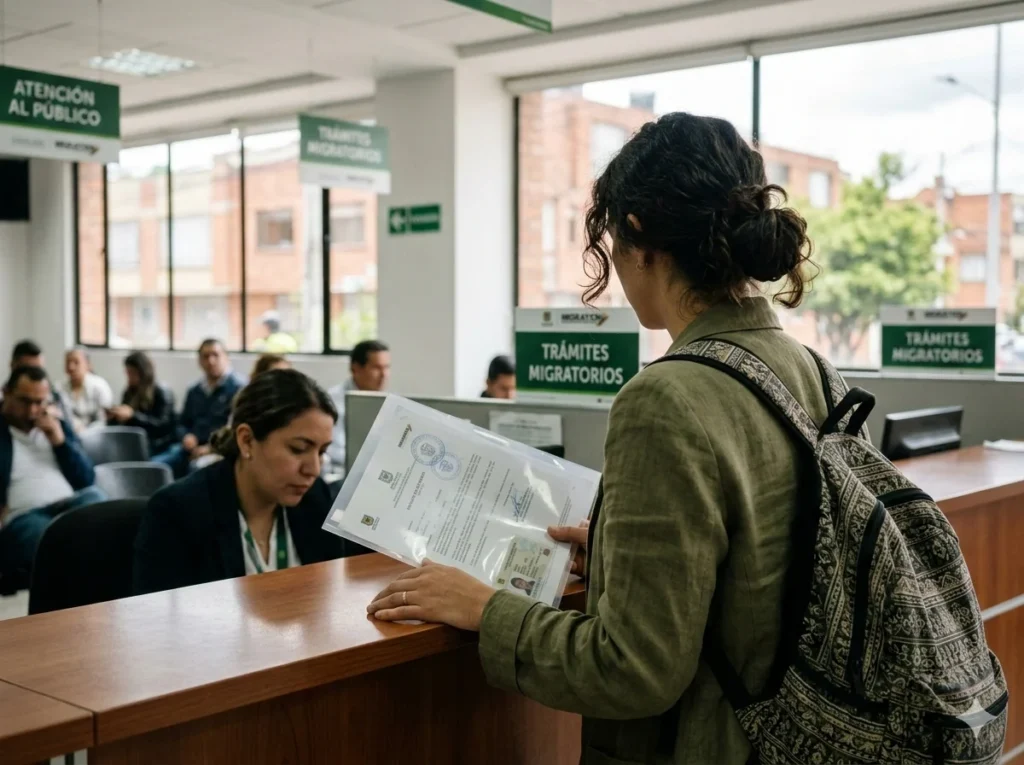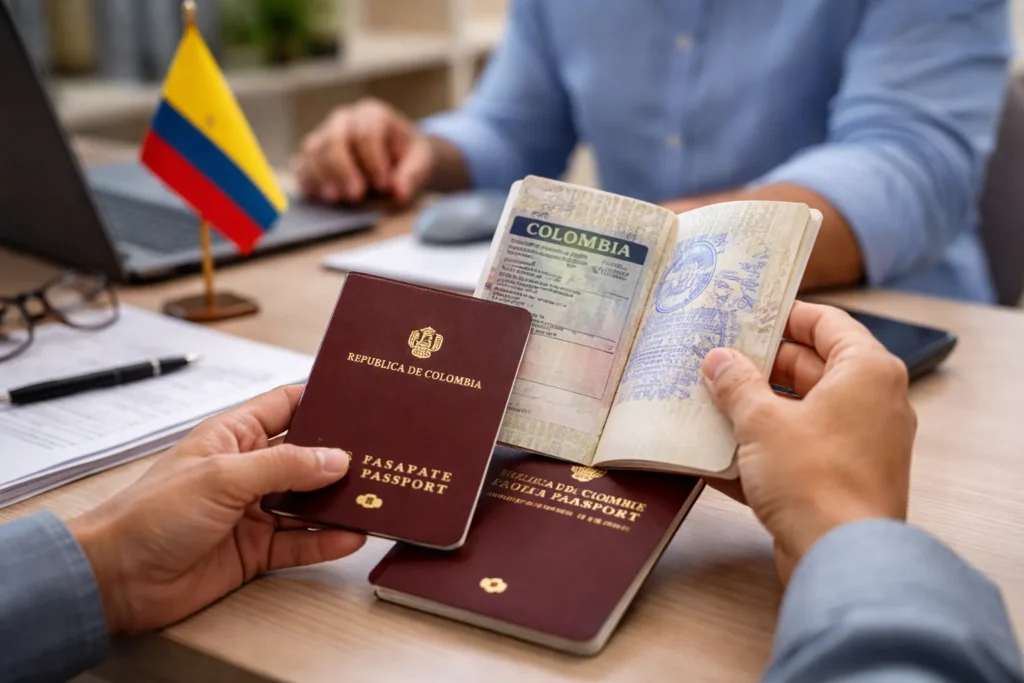
If you will be in Colombia short-term and you will not work while you are here, a tourist stay can be enough. If you plan to live here longer while earning remote income, the Digital Nomad Visa is usually the safer legal choice. In this article, we compare both options side by side—maximum stay limits, what “work” means in practice, visa-run and overstaying risks, and how each status impacts leases, banking, tax exposure, and your future visa or residency strategy.
What a Tourist Stay Really Covers
A tourist stay is designed for visits, not for “living in Colombia” while consistently working online. Even when entry feels simple, long stays and repeated entries can increase scrutiny and create avoidable legal exposure.
What you can and cannot do as a tourist
Most U.S. citizens receive an initial period of stay and may request an extension, but overstaying can trigger fines and exit delays. If you are wondering how extensions work in practice, our guide on tourist stay extensions in Colombia explains timelines and common pitfalls in plain terms.

Avoid Entry Surprises
If you plan extended stays in Colombia, a proactive legal review can assess your risk profile before you rely on repeated entries that may trigger questions or denial at the border.
What the Digital Nomad Visa is Designed For
The Digital Nomad Visa is built to give remote earners a clearer legal basis to reside in Colombia while working for foreign clients or running eligible online activities. It also sets clearer expectations if you want to sign leases, open services, and maintain a stable immigration record.
Legal scope and key limitations
This visa can be granted for up to two years, and it does not allow you to be paid by Colombian companies or Colombian-based clients. If you want a deeper explanation of eligibility and document standards, we recommend reviewing our detailed guide on Digital Nomad Visa requirements.
Core Comparison That Drives the “Which One Do I Need?” Decision
When clients ask us whether they can “just stay as a tourist,” the answer typically depends on two variables: (1) whether they will be working while physically in Colombia, and (2) whether they need stability for contracts and future filings.
Tourist Stay vs Digital Nomad Visa (scannable table)
| Factor | Tourist Stay | Digital Nomad Visa |
|---|---|---|
| Maximum time in Colombia | Typically capped annually (commonly up to 180 days with extension) | Validity can be granted up to 2 years |
| Legal basis to work remotely while in Colombia | Not designed for working; risk increases if your pattern looks like “living + working” | Created for remote work for foreign clients/companies |
| Paid activity for Colombian clients/employers | Not permitted | Not permitted |
| Ease of entry/exit | Often easy initially, but repeated long stays can trigger questions | More stable status once granted (still must comply) |
| Lease / utilities / “formal” arrangements | Often possible, but can be harder without a longer-term status | Usually easier to justify longer-term arrangements |
| Future visa strategy impact | Risk of “gaps” and negative history if overstays occur | Cleaner record for longer residence planning (case-dependent) |
| Risk of sanction | Fines for overstays; possible entry issues if pattern raises concerns | Lower risk when used correctly; still sanctionable if rules are breached |
| Best fit | Short stays, no work activity, exploratory trips | Remote earners who want stability and lower legal exposure |
Choose the Safest Path
We align your visa status with your actual lifestyle—including work arrangements, housing commitments, travel frequency, and long-term residency goals—to ensure compliance and stability in Colombia.
Typical Scenarios and Where Problems Usually Start
Most legal issues do not start at “application time.” They start when someone’s real-life routine no longer matches their immigration status.
Employee, freelancer, and online business owner examples
- Remote employee (U.S. company): If you are working daily from Colombia and staying long-term, a tourist stay can look inconsistent with your real purpose of stay—especially if repeated entries form a pattern.
- Freelancer with multiple foreign clients: The more continuous the work and the longer the stay, the more advisable it is to use a status explicitly built for remote work.
- Online business owner: Managing an overseas business may still be “work activity” while physically in Colombia; relying on ongoing “visa runs” can amplify entry risk and disrupt longer-term plans.
Stability for Banking, Leases, and Future Filings
Even when immigration is “fine,” practical life can become difficult if your status is short-term or repeatedly interrupted. For many clients, this becomes the deciding factor—not just the number of days.
Taxes and compliance planning for longer stays
If you remain in Colombia long enough, tax residency rules may become relevant regardless of which status you hold. For a deeper explanation of how the 183-day rule can apply and what foreigners typically plan for, our guide on Digital Nomad Visa taxes breaks down common scenarios.
Why Choose Stanford Baker & Associates for Your Colombia Stay Strategy
We help foreign clients match immigration status to real life—how long you will stay, what income activity you actually perform, and what you want next (residency planning, family options, or an investment pathway). We also focus on risk prevention: overstays, inconsistent travel patterns, and documentation choices that can quietly create future denials or delays.
Key Takeaway for 2026 Planning
Digital Nomad Visa Colombia vs Tourist Stay: Pros, Cons & Legal Risks (2026) comes down to alignment: if your plan is short, tourism-focused, and genuinely work-free, tourist status may fit. If you are living in Colombia while earning remotely, the Digital Nomad Visa usually provides clearer legal footing and a more stable platform for contracts and long-term planning.
Are you ready to choose the safest option for your situation?
If you want to avoid visa gaps, entry issues, or future filing delays, we can assess your exact travel pattern, remote income setup, and long-term plans (leases, banking, residency strategy) and recommend the most secure route for your case. Colombian Law Connection can guide you through the right legal strategy.