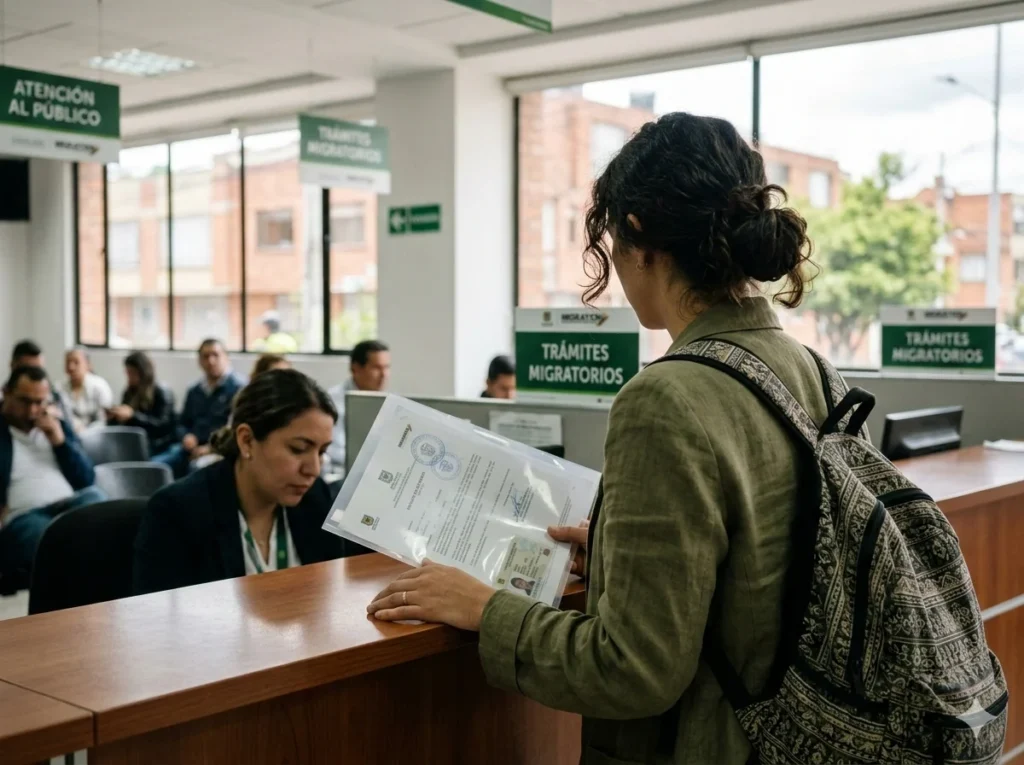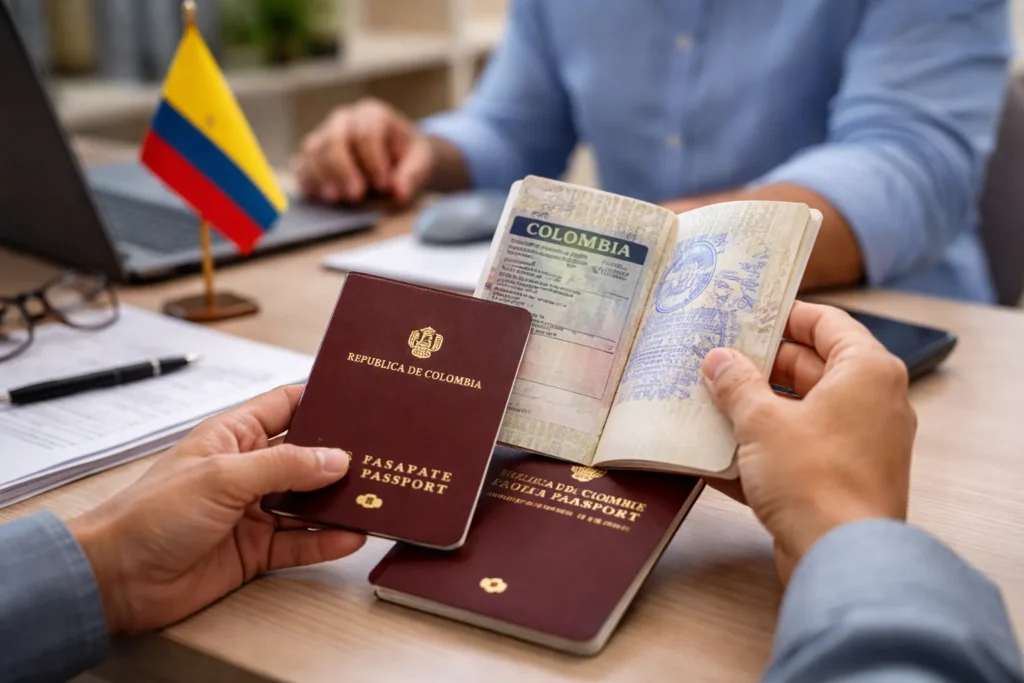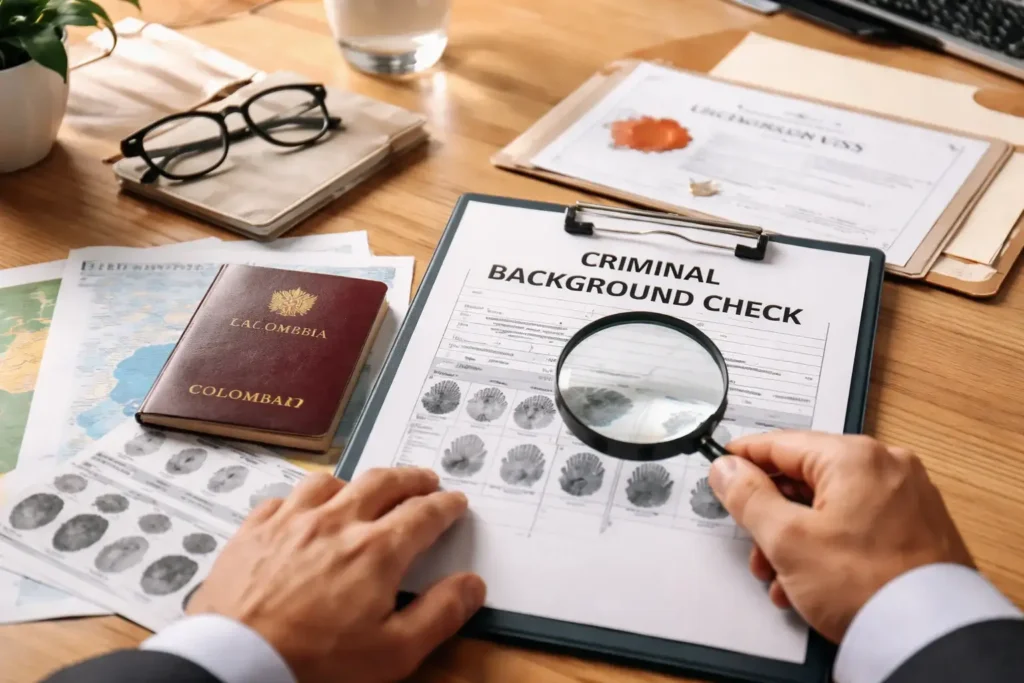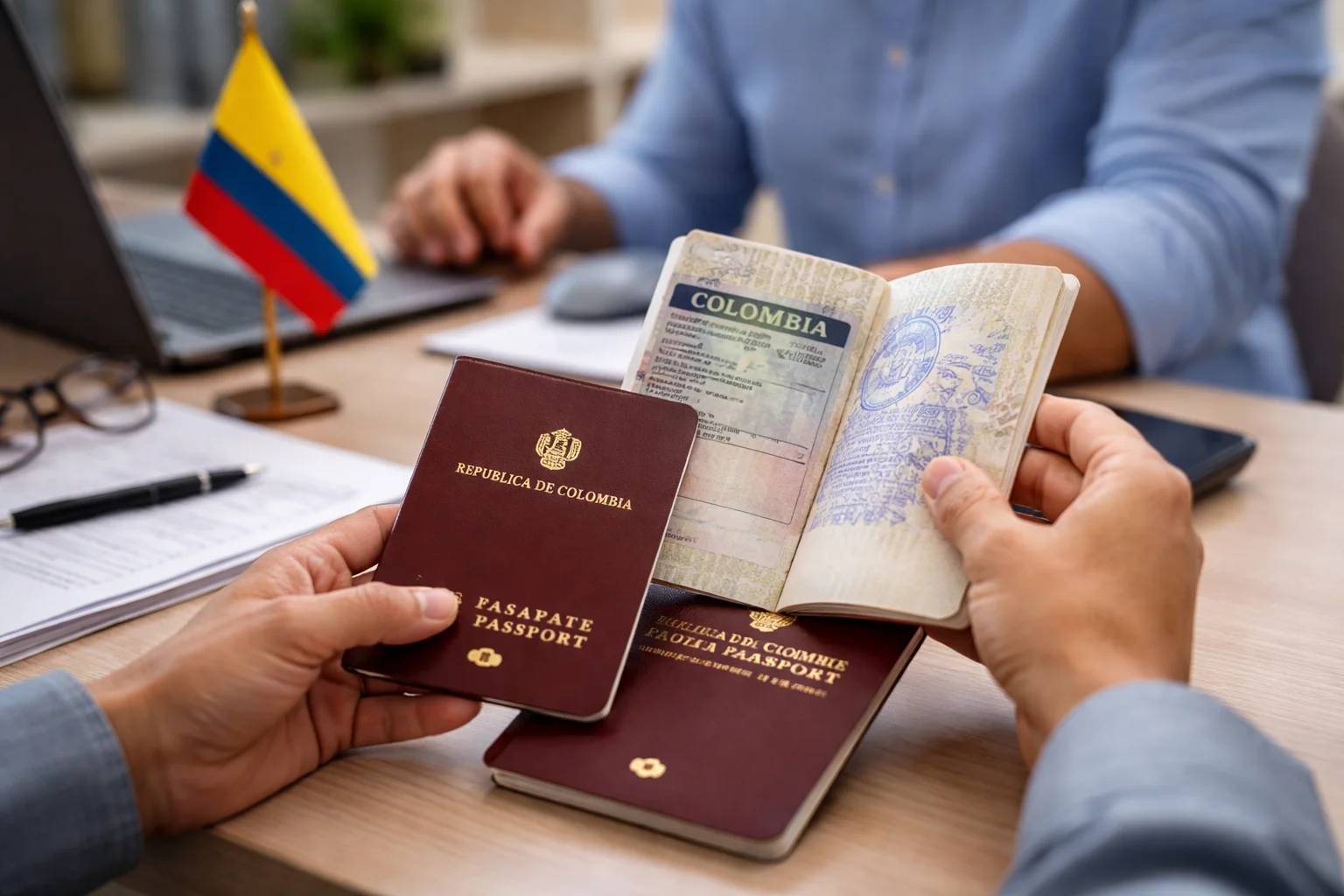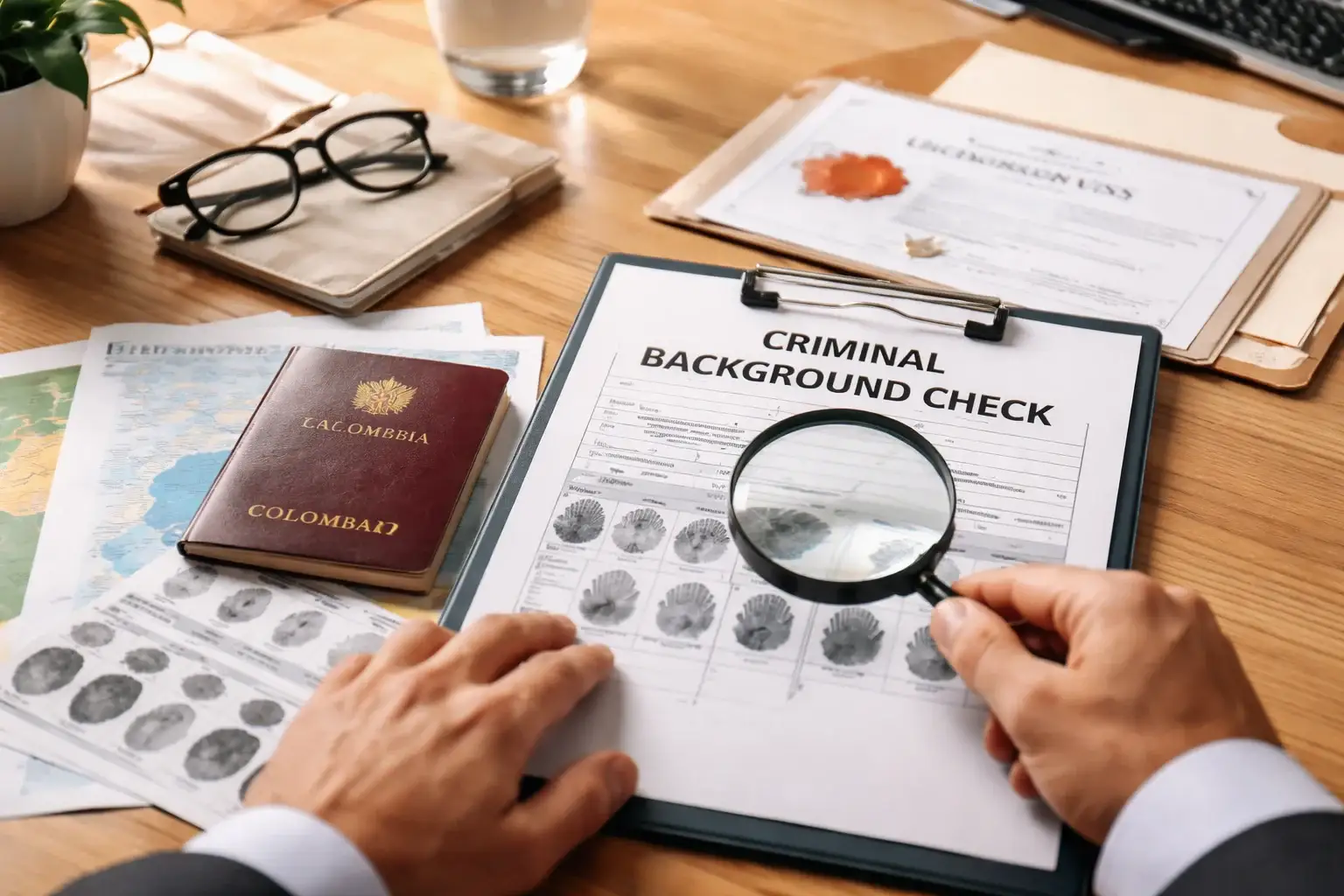
If you are preparing a Colombia visa, residency filing, or another legal process that requires a U.S. criminal record, the waiting period is rarely just “FBI time.” What matters is the full chain: fingerprints, delivery, FBI issuance, apostille, and Colombia-ready formatting. Small mistakes can add weeks.
This article explains where delays actually happen and how to plan your timeline conservatively so your Colombia process does not stall at the document stage.
Why timing matters for Colombia legal and immigration filings
Many Colombia immigration and legal procedures rely on documents that must be current, properly authenticated, and readable by Colombian authorities. Even when your underlying record is straightforward, the logistics behind getting an FBI Identity History Summary into Colombia-ready condition can become the critical path.
If your broader plan includes visa strategy and document coordination, start with the right context around legal requirements and timing through immigration services.
- A background check that arrives late can push back appointment availability, filing windows, or downstream legal steps.
- A report that is issued on time but lacks apostille or acceptable formatting may still be unusable in practice.
- A tight timeline increases the risk of last-minute courier costs and preventable resubmissions.
A realistic calendar should assume more than one “processing time” layer.
What “processing time” includes
The phrase “processing time” is often used as if it only refers to the FBI’s internal handling. In reality, your total timeline is a sequence of dependencies, and the slowest link controls the outcome. The FBI confirms it does not expedite Identity History Summary requests, and results may be issued electronically (depending on how you request) with an option for mailing as well.
| Timeline segment | What it covers | Typical impact on total time |
|---|---|---|
| Fingerprints captured | Quality and legibility of prints (ink or electronic capture) | Poor quality can cause rejection and rework |
| Delivery to the U.S. system | Courier and routing time to the FBI or a channeler | International shipping can be a major variable |
| FBI issuance window | FBI processing after receipt | Varies by method and volume |
| Return delivery | Electronic availability and/or U.S. First-Class Mail delivery | Mailing adds unpredictable transit time |
| Apostille for Colombia use | Authentication through the U.S. Department of State (for FBI documents) | Often a separate multi-week queue |
| Colombia-ready package | Translations, formatting, and presentation consistent with Colombian requirements | Adds time if you wait until the last moment |
When planning, treat each segment as additive rather than assuming a single “FBI clock.”

Need a quick reality-check on your timeline before you submit?
Share your target Colombia filing date and where you are located, and we’ll flag the most common delay points.
Realistic FBI background check processing windows in 2026
Processing ranges depend heavily on how fingerprints are submitted and how results are delivered. A practical reference point used by major programs for 2026 planning lists electronic FBI requests in the “business days” range, mail-based requests in the “weeks” range, and channeler timelines varying by provider.
- Electronic request (digital workflow): commonly measured in business days once the submission is received and accepted.
- Request by mail (fingerprint card submission): commonly measured in weeks after receipt, plus mailing time in both directions.
- Channeler-assisted submission: can reduce turnaround by improving routing and delivery, but results still depend on the provider’s workflow and your fingerprint quality.
Use fbi background check processing time as a planning range—not a promise—because the “total time to Colombia-ready” is usually longer than the FBI issuance window alone.
Where delays usually happen and how they show up
Most delays come from predictable friction points: fingerprints that cannot be processed, mismatched personal details, mailing issues, or downstream authentication steps. The FBI notes that if fingerprints are continuously rejected, submitting multiple sets—preferably taken by a technician—may be necessary, which can materially change timing.
| Delay trigger | What it looks like | Why it adds time |
|---|---|---|
| Low-quality or rejected fingerprints | Notice of rejection or no usable result | Requires new prints and resubmission |
| Incomplete data or release issues | Follow-up requests or inability to release to a third party | Corrections must be processed before issuance |
| Mailing and address friction | Long gaps with no status change, returned mail | Transit time becomes the bottleneck |
| Seasonal volume spikes | Longer-than-expected queue | Requests are handled in received-date order |
| Record challenge situation | You must dispute or correct an entry | Challenge timelines can extend well beyond initial issuance |
If you suspect any of these factors apply, plan with buffer time rather than “best case.”
Fingerprint quality: the fastest way to lose (or save) weeks
Even strong applications stall when fingerprints are unreadable or inconsistent. The most practical way to protect timeline is to treat fingerprint capture as a technical step, not an administrative formality. The FBI specifically recommends multiple sets if rejections persist and notes technicians can improve legibility.
- Use a trained fingerprinting technician whenever possible.
- Confirm your personal data is consistent across the fingerprint card and request details.
- If you have any history of print rejection, consider preparing additional sets immediately.
A clean record does not compensate for unusable fingerprints.
Colombia-specific bottlenecks after the FBI issues the report
For Colombia use, the FBI Identity History Summary often needs authentication and translation before it is usable in formal processes. The FBI explains it does not provide apostilles; instead, authenticated FBI results may be sent to the U.S. Department of State for an apostille if required.
- U.S. Department of State apostille timing can be a significant driver of total duration, particularly when submitted by mail.
- If you delay apostille planning until after the FBI report is issued, you effectively restart a new multi-week clock.
- Translation and Colombia-ready formatting are easiest when coordinated early, not at the end of the chain.
If you are unsure which route best fits your timeline and document purpose, an online consultation with an immigration lawyer can clarify risk points before you commit to shipping and authentication decisions.
Prefer document coordination handled under one legal plan?
We can align FBI report handling, apostille timing, and Colombia-ready preparation with your legal process.
Planning backward from your Colombia deadline
The safest planning method is to start from your intended Colombia filing or appointment date and work backward through the full document chain. Colombia procedures also have their own pacing considerations, so it helps to understand the broader context of Colombia visa processing time when deciding how much buffer you need.
| Planning anchor | Conservative approach | Why it helps |
|---|---|---|
| Target filing or appointment date | Build a buffer window before this date | Prevents last-minute courier decisions |
| Apostille milestone | Assume mail-in apostille queues can be multi-week | Avoids “FBI done, still not usable” scenarios |
| FBI issuance milestone | Allow for method-based variance and volume | Protects against seasonal slowdowns |
| Fingerprinting and submission date | Treat this as the true start date | Prevents underestimating the full chain |
If your timeline is inflexible, plan around worst-case scenarios and treat faster outcomes as upside.
Why Clients Choose Stanford Baker & Associates for Colombia Document Coordination
Stanford Baker & Associates helps foreign nationals and Colombian families manage cross-border legal documentation with a compliance-first approach and clear, practical guidance. The focus is to keep your process moving by aligning timing, requirements, and document readiness for Colombia.
- Colombia-focused legal support for immigration and document-driven matters
- Clear sequencing for FBI checks, apostilles, translations, and Colombia submissions
- Proactive issue-spotting to reduce rejections, resubmissions, and courier-driven delays
- Case-by-case planning based on your timeline, location, and the authority requesting the document
- Responsive communication so you understand what is pending, what is next, and why it matters
The result is a more controlled process built around predictable milestones—without overpromising outcomes or timelines.
A smarter approach to your FBI background check processing time
The most reliable way to manage your FBI background check processing time is to plan for the full Colombia-ready chain, not just the FBI issuance window. Stanford Baker & Associates can help you structure timelines, anticipate friction points, and coordinate document preparation in a way that supports your broader legal process in Colombia.
Are you trying to avoid delays by coordinating background checks, authentication, and Colombia-ready documents upfront? Stanford Baker & Associates can help you plan and execute a compliant document strategy.