A fingerprint rejection can derail your timeline at the worst moment—especially when your FBI check is tied to a move, a visa, or a legal filing in Colombia. The problem is rarely personal, but it is almost always preventable with the right approach. This guide explains what a rejection typically means, what causes it, and how to reduce the risk of a second failure without wasting weeks.
What a fingerprint rejection really means
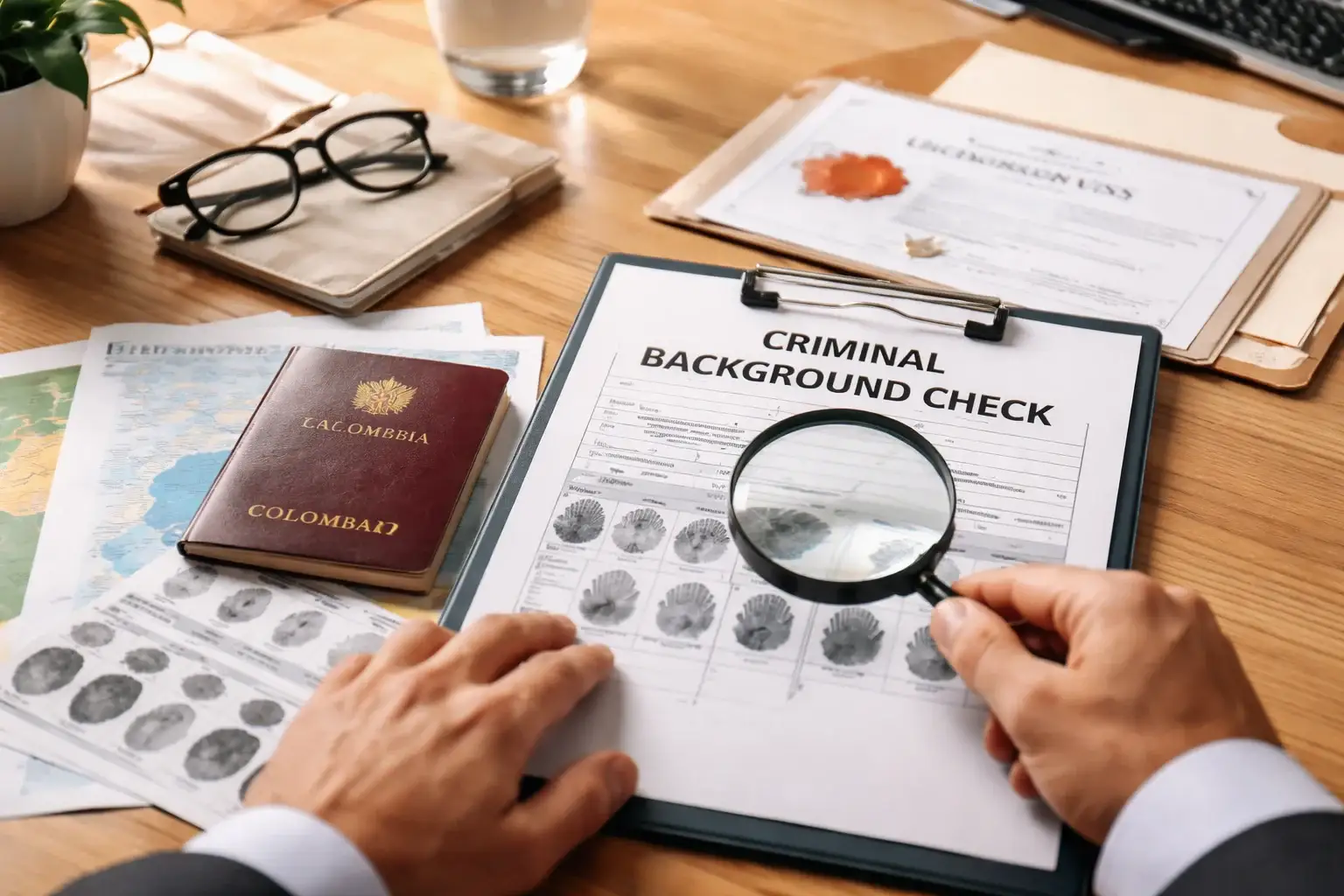
A rejection usually indicates the FBI could not use the fingerprint impressions you submitted or the fingerprint card data was incomplete. It does not automatically mean there is an issue with your record; it means the submission could not be processed reliably.
- Low ridge detail (faint, smudged, or uneven impressions) that cannot be compared confidently
- Card completion problems (missing required fields or improper impression blocks) that can trigger immediate rejection
- Collection errors (incorrect rolling, wrong sequence, stray marks inside impression boxes)
- Previously used fingerprints being resubmitted instead of a newly collected set, which some submitting systems report is being enforced more strictly in 2026
Once you know which category applies, the fix becomes much more straightforward.
Common rejection triggers: quality and card-completion issues
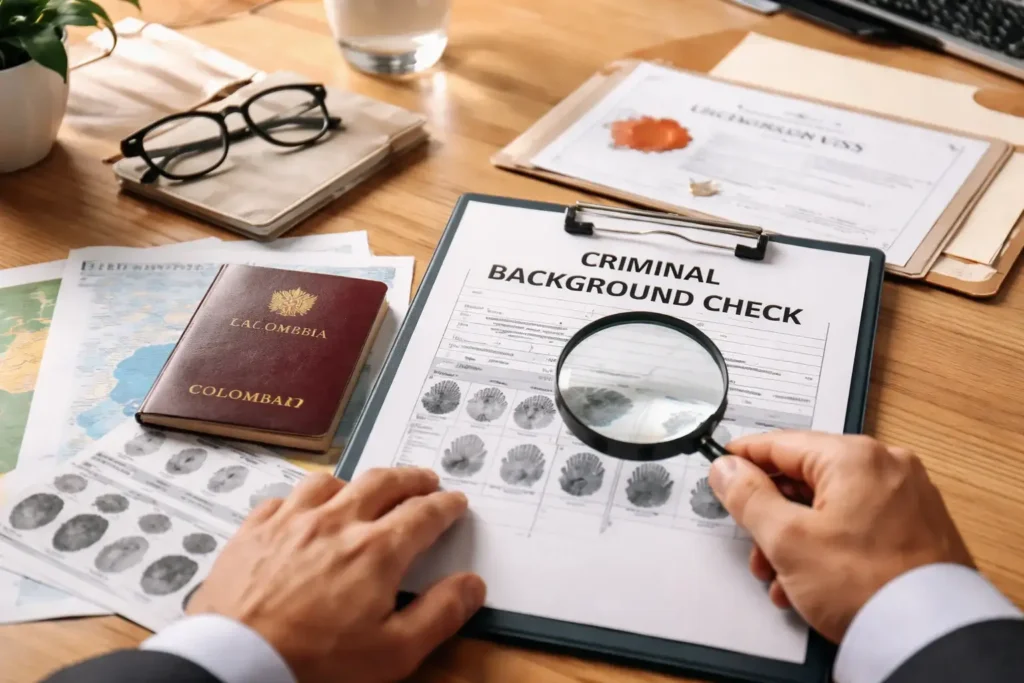
Two patterns dominate: prints that are not legible enough for comparison, and cards that fail basic completeness rules. The FBI’s civil fingerprint card guidance emphasizes completing required fields and producing full, clean impressions rolled correctly.
| Rejection trigger | What it looks like in practice | How to reduce the risk next time |
|---|---|---|
| Smudging or “flat” rolling | Dark, blended ridges or incomplete nail-to-nail coverage | Use an experienced technician; slow, consistent pressure and proper nail-to-nail rolling |
| Very faint ridge detail | Light impressions, especially for older applicants or worn ridges | Warm hands, hydrate skin days before, avoid over-washing right before printing |
| Stray marks in boxes | Ink streaks or smears within impression blocks | Clean workspace; technician checks each box before proceeding |
| Missing required fields | Rejection despite decent prints | Double-check required identifiers and fields before mailing/submission |
| Wrong sequence / incomplete set | Fingers placed in incorrect blocks or missing impressions | Technician verifies sequence and marks amputations correctly |
If you are prone to low ridge detail, plan for quality control during the appointment—not after you receive the rejection.

Want a quick review before you resubmit?
Send your rejection details and Colombia deadline, and we’ll help you spot avoidable issues before you redo prints.
Improving print quality before the next appointment
A second attempt should not be a repeat of the first. The best results come from choosing the right provider, preparing your hands, and controlling the details the FBI flags most often—especially clean impression boxes and properly rolled prints.
- Choose a provider who routinely does FBI FD-258 civil submissions and checks legibility in real time
- Ask the technician to re-roll any finger that looks faint or smudged before you leave
- Keep hands warm; cold skin reduces ridge definition and makes prints lighter
- Avoid heavy lotions right before printing; if dryness is an issue, hydrate skin gradually over several days
- Bring multiple fingerprint cards and have more than one set taken when you have a history of rejections
- Review the biographic fields carefully and avoid prohibited marking practices (for example, highlighters)
For many applicants, the “fix” is simply a more controlled collection environment and better quality control during capture.
How rejected fingerprints affect Colombia visa timelines
Rejected prints can create a domino effect: you lose time on the FBI output, then time on apostille and translation, and the overall filing window in Colombia becomes tighter. For a realistic planning baseline, review our Colombia visa processing time guide.
| Colombia-related need | Where the FBI check often fits | How a rejection creates downstream delay |
|---|---|---|
| Visa preparation | Supporting documentation phase | You cannot apostille/translate what you do not have yet |
| Filing strategy | Coordinating document validity and appointment timing | A resubmission can force re-alignment of the full packet |
| Travel planning | Entry dates and in-country milestones | Timing becomes less predictable if you need multiple retakes |
| Legal formalities | Document readiness for related filings | A late FBI result can compress notarization/translation scheduling |
Even when the visa authority is flexible, your logistics often are not—especially if you are coordinating from abroad.
Resident visa planning: keep documentation clean from the start
For longer-term immigration goals, documentation quality matters because you typically need a complete, consistent record trail—not just a last-minute submission. For a clear overview of long-term pathways, review our Colombian resident visa requirements guide.
- Start collection early enough to absorb at least one resubmission without pressure
- Align your FBI result timing with apostille and certified translation lead times
- Keep digital scans of what was sent and what was received, in case Colombia-side coordination requires it
- Avoid reusing old fingerprint cards; plan for a freshly collected set when resubmitting
A clean process is usually less about speed and more about preventing avoidable rework.
Prefer document coordination handled under one legal plan?
Contact us to align FBI checks, apostille, and translation timing with your Colombia immigration or family process.
When repeat rejections require a different strategy
If your prints have been rejected more than once, you may need to change variables—not just “try again.” The FBI itself recommends submitting multiple fingerprint cards if prints are continuously rejected, and it also makes clear it does not expedite Identity History Summary requests.
In limited contexts, “name check” procedures may exist for certain agency-driven submissions after multiple technical rejections, but those pathways are not the standard route for an individual Identity History Summary request and can involve strict prerequisites and agency identifiers.
| Situation | Practical focus | What legal guidance can help you clarify |
|---|---|---|
| Tight Colombia deadline | Reduce rework and prevent mail/document chain delays | How to structure the document timeline conservatively |
| Multiple print rejections | Improve collection conditions and submission integrity | Whether alternatives are realistic in your specific use case |
| Cross-border coordination | Keep apostille/translation aligned with filings | How to avoid mismatches that trigger re-requests or delays |
| Complex legal objective | Immigration plus related filings (family/property/business) | How to sequence requirements without unnecessary exposure |
If you need support coordinating the broader process, our team can assist through our immigration services practice.
Why Choose Stanford Baker & Associates When Your FBI Fingerprints Are Rejected
Stanford Baker & Associates helps foreign nationals and Colombian families resolve document bottlenecks—like rejected FBI fingerprints—without losing control of Colombia-side timelines and requirements.
- Clear diagnosis of why prints were rejected and what must change for a compliant resubmission
- Practical guidance to reduce repeat rejections (collection method, provider choice, card integrity)
- Timeline coordination for apostille, translation, and Colombia filings based on your specific process
- Responsive, case-by-case support focused on compliance and documentation quality
You get a structured plan and realistic coordination—so your paperwork moves forward with fewer avoidable delays.
Solving fbi background check rejected fingerprints without losing momentum
When fbi background check rejected fingerprints disrupt your plans, the most effective response is a disciplined resubmission strategy and a timeline that accounts for cross-border requirements. Stanford Baker & Associates can help you reduce uncertainty and align your documentation with Colombian legal processes in a practical, compliant way.
Are you trying to keep your Colombia timeline on track while coordinating documents from abroad?
Stanford Baker & Associates can help you plan and execute the supporting paperwork with clarity.