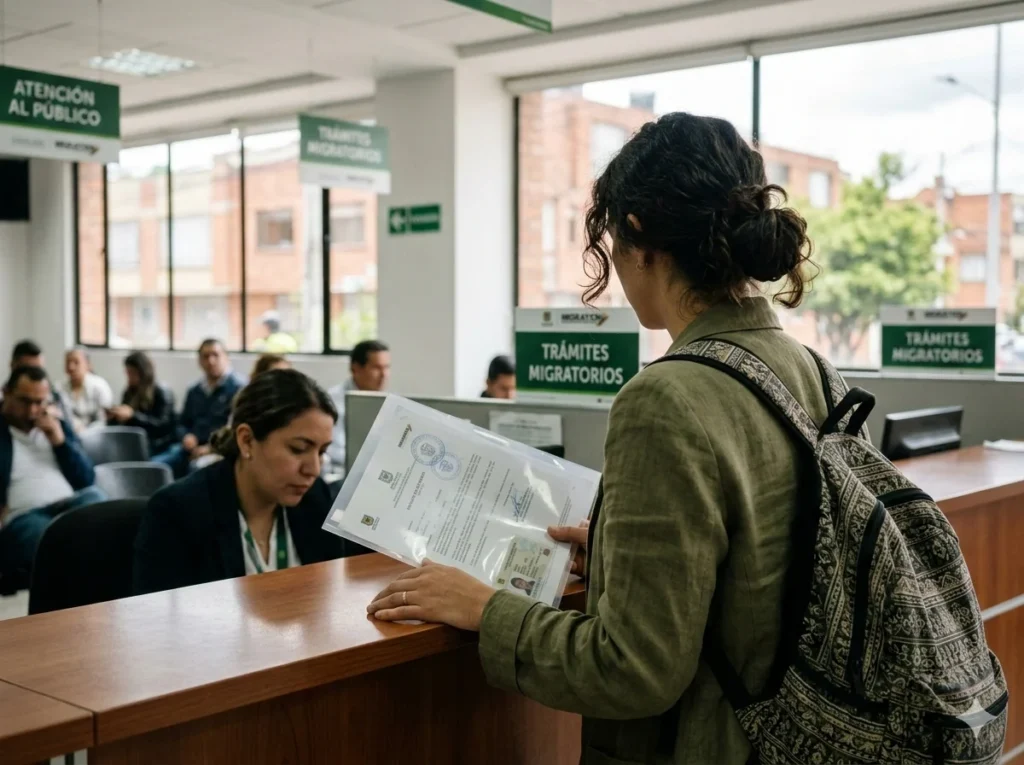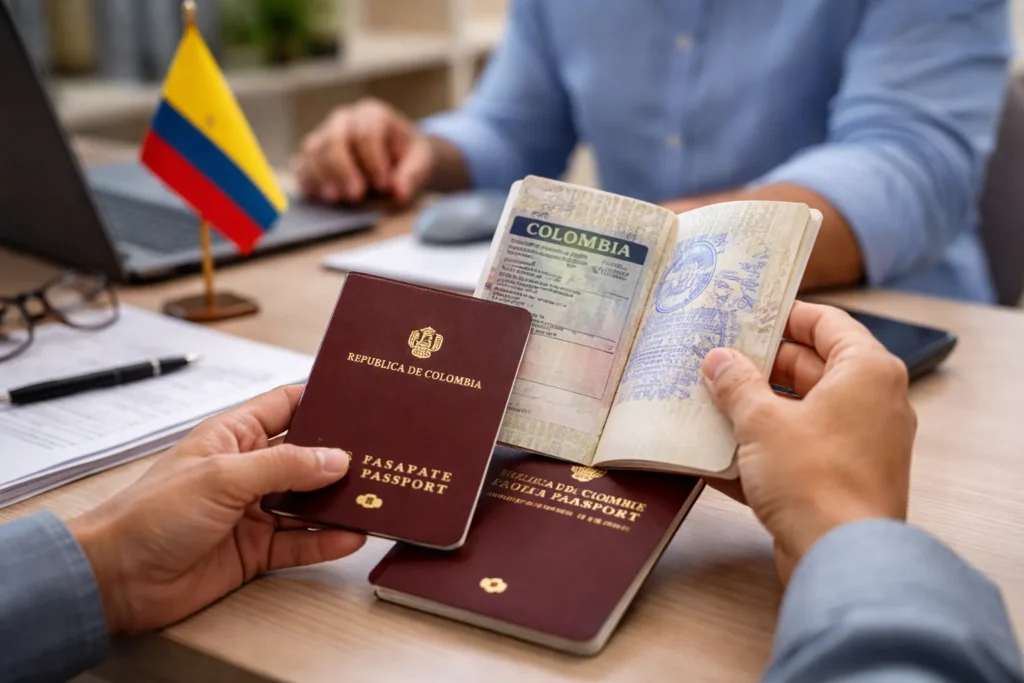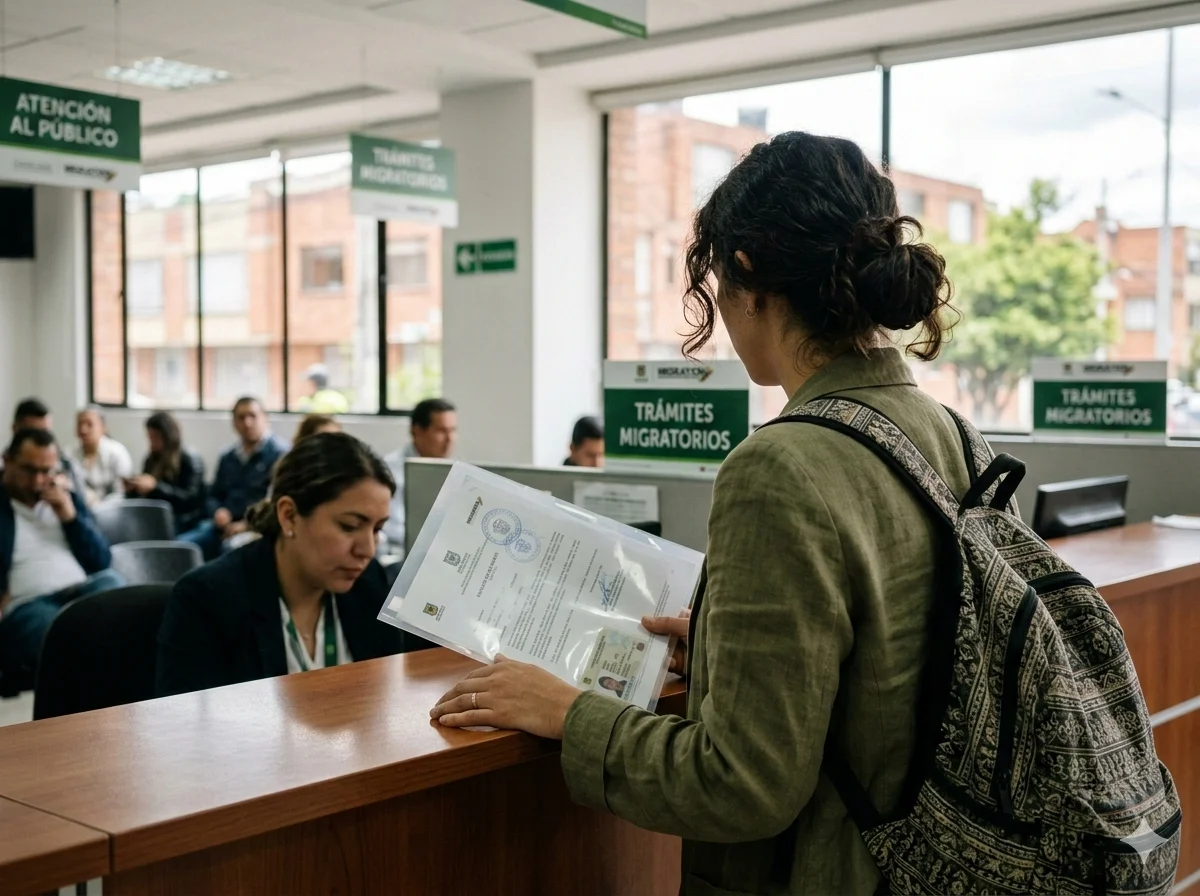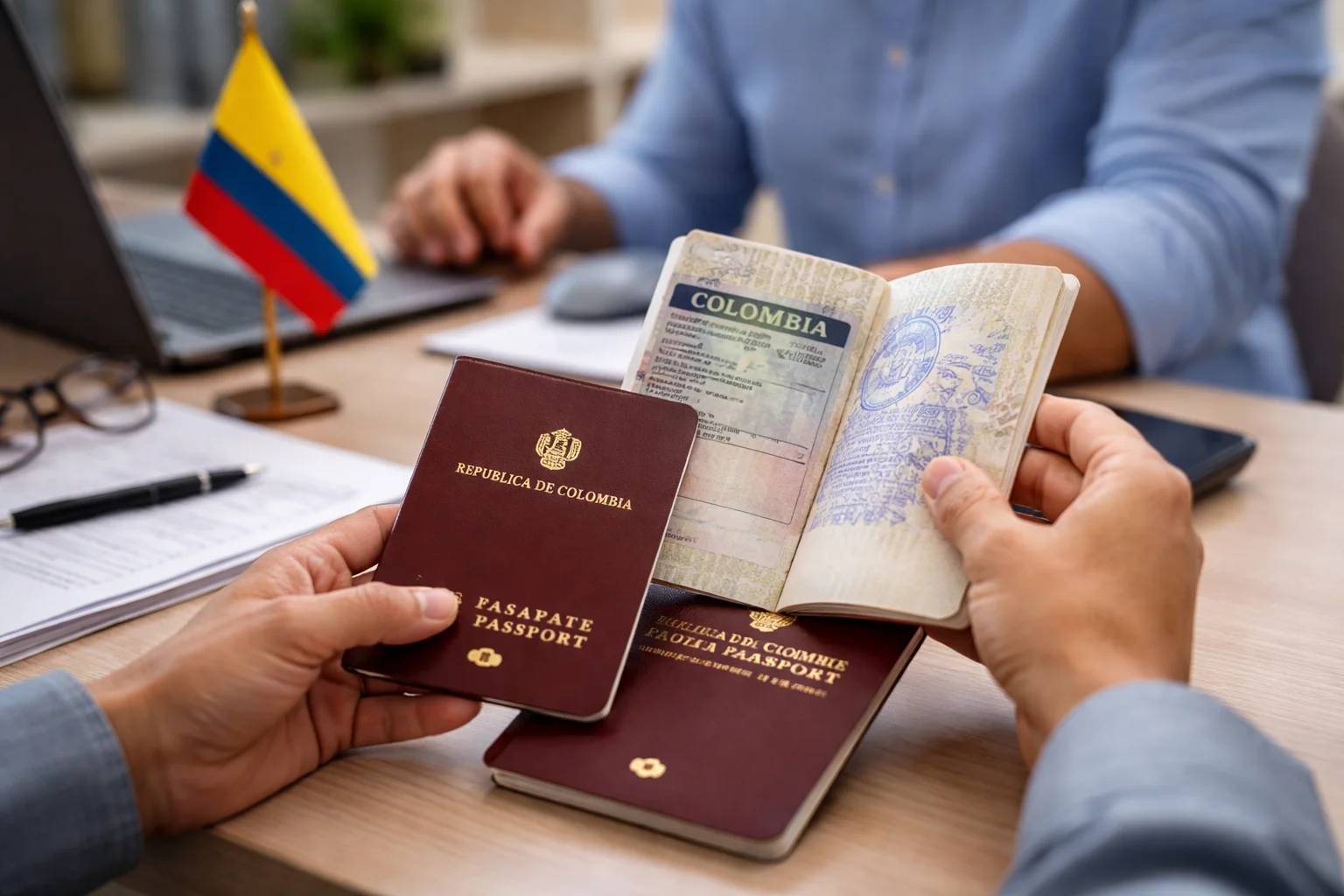
If you’re wondering how to rent an apartment in Colombia, you’ll need a few key documents: a valid ID, proof of income, immigration status based on the duration of your stay, and a guarantee (co-signer or rental insurance). While the process is similar to local rentals, understanding specific legalities and documentation requirements ensures a smooth and successful experience. In this guide, we’ll walk you through the necessary documents, the legal framework behind rental contracts, and the common mistakes to avoid.
At a Glance
Typical timeline (search → move-in): 7–28 days
- Day 1–7: Search + tours + shortlist
- Day 3–14: Submit documents + guarantee approval (often the longest step)
- Day 7–21: Negotiate terms + contract review
- Day 10–28: Sign + pay + move-in inspection (acta de entrega)
Scam / risk red flags (don’t ignore these):
- “Owner” won’t show proof of ownership or refuses basic verification.
- Pressure to pay a “deposit to hold it” before you’ve seen the property and reviewed the lease.
- Contract is “verbal only” or the landlord avoids a written lease.
- Payment requested to a third party unrelated to the landlord/agency.
- Listing price far below market with urgency tactics.
If you are still exploring which regions or cities may be the best fit before renting, this general guide on apartments in Colombia provides helpful context.
Understanding the rental system in Colombia (legal baseline)
Colombia’s residential leasing rules are governed nationally by Ley 820 de 2003, which regulates lease terms, tenant protections, and landlord obligations. Foreigners generally have the same tenant rights as Colombians, but landlords and agencies often ask for more documentation to validate income and reduce risk.
Step-by-Step: How to Rent an Apartment in Colombia
1) Choose your route: arriendo directo vs inmobiliaria
This choice changes the paperwork, the guarantee, and the approval speed.
Arriendo directo (owner-to-tenant)
- Usually faster and more negotiable (furnishing, pets, flexibility on foreign income).
- Risk is higher if the landlord is informal (you must verify ownership and insist on written terms).
- Guarantee is flexible: could be deposit, fiador, or a custom arrangement.
Inmobiliaria (agency-managed)
- More structured and safer operationally, but more paperwork.
- Often requires póliza de arrendamiento (rental insurance) instead of a personal fiador.
- Approval depends on document verification + insurer/agency scoring.
Concrete example:
- In Bogotá, an agency may require a póliza and 3–6 months of bank statements even if you have a strong foreign salary. In Cali, a direct landlord may accept an employment letter + 2 months deposit if the story is clear and payments are traceable.
2) Prepare documents (what you’ll actually be asked for)
Most applications come down to four buckets: ID, immigration status, income, guarantee.
ID & stay status
- Passport (common for short stays)
- Cédula de Extranjería (often expected for longer stays)
- Visa / legal status aligned to your rental duration
Proof of income (what actually works)
Below are examples that landlords/agencies typically accept because they’re verifiable and consistent:
• If you’re employed (Colombia or abroad)
- Employment letter (role, salary, start date) + last 2–3 pay stubs
- Bank statements showing matching deposits
- Example: Offer letter + 3 pay stubs + 3 months statements highlighting payroll deposits
• If you’re independent / freelancer
- 6 months bank statements showing recurring client payments
- Contracts + invoices that match the deposits
- Example: 2–3 active client contracts + invoice set for last quarter + 6 months statements
• If you’re pensionado
- Pension award letter + monthly pension statements + bank statements
- Example: pension letter + 3–6 months deposits
What not to rely on
- Screenshots of balances without transaction history
- One-off transfers with no recurring pattern (agencies treat these as weak)
- “Cash income” with no formal trail

Need a Visa to Rent in Colombia?
Foreign tenants must show valid immigration status. Stanford Baker & Associates helps you secure the right visa quickly and legally.
Checklist by profile (tourist / long stay + employed / independent)
| Profile | Immigration / ID | Proof of income (best options) | Most realistic guarantee |
|---|---|---|---|
| Tourist / short stay (weeks–few months) | Passport + entry status; some landlords prefer short-term platforms | Card/transfer receipts are weak; better: bank statements + employer letter | Deposit or platform protection; direct landlords vary |
| Long stay (6–12+ months) | Visa aligned to stay; often Cédula de Extranjería requested | 3–6 months statements + employment letter or contracts | Póliza (common with agencies) or fiador |
| Employed | Contract/letter + pay stubs | Pay stubs + bank deposits that match | Fiador or póliza depending on city/agency |
| Independent / freelancer | Visa consistency matters more; show stability | 6 months statements + contracts/invoices | Póliza (often preferred by agencies) or higher deposit/direct negotiation |
3) Understand the lease agreement (Contrato de Arrendamiento) before signing
A compliant lease should clearly state:
- Monthly rent and payment method/date
- Contract term (often 12 months) + renewal terms
- Termination rules + penalties (early termination clauses)
- Guarantee terms (fiador/póliza/deposit/CDT) and what triggers claims
- Maintenance responsibilities (what landlord covers vs what tenant covers)
- Inventory list (if furnished) and included appliances/fixtures
- Administration fee (if applicable) and who pays it
Practical tip: If the lease is Spanish-only, request a bilingual version or at minimum a written translation of key clauses (termination, penalties, guarantees, repairs).
4) Tenant rules in Colombia
What you can expect (tenant protections)
- Written lease terms are enforceable; you have the right to quiet enjoyment of the property.
- Landlords must handle certain repairs/conditions as defined by law and contract.
- Termination must follow contractual and legal notice requirements.
What you must do (core tenant duties)
- Pay rent on time and keep proof of payment.
- Maintain the property reasonably and follow building rules.
- Use the property for residential purposes unless the lease explicitly allows otherwise.
Eviction nuance (important):
Landlords cannot remove tenants “by force” or through informal pressure. If there’s a serious breach, removal must follow formal legal procedures through the competent authority (not “vías de hecho”). That formality is a key protection—but it also means disputes can become slow and paperwork-heavy, so prevention (good contract + evidence) matters.
Guarantee comparison (Fiador vs Póliza vs Deposit/CDT)
| Guarantee | What it is | Best for | Pros | Cons / watch-outs |
|---|---|---|---|---|
| Fiador (co-signer) | A Colombian guarantor who backs your lease obligations | Tenants with local network | Familiar to landlords; may reduce extra costs | Hard to get; fiador often needs strong financial profile + documents |
| Póliza de arrendamiento (rental insurance) | Insurance-backed guarantee replacing or supplementing fiador | Foreigners renting via agencies | Common in big cities; standardized process | Underwriting can be strict; requires strong documentation; adds monthly/annual cost |
| Deposit | Upfront refundable amount held as security | Direct rentals, shorter stays | Simple; can speed negotiations | Not always legally “standard”; define refund terms clearly in writing |
| CDT / blocked funds (varies) | Funds locked/pledged as security (where offered) | Tenants without fiador but with liquidity | Strong security signal | Less common; must define release conditions precisely |
Renting in Different Cities
Each major Colombian city has its own rental culture, legal expectations, and documentation requirements. Understanding these differences helps foreign tenants prepare properly and avoid surprises during the leasing process.
| City | What’s typical | What to prepare | Best strategy for foreigners |
|---|---|---|---|
| Bogotá | More formal, risk-averse landlords/agencies | Strong income trail + guarantee (often póliza or fiador) | Use inmobiliaria if you can; plan extra time for approval |
| Medellín | High expat demand; agencies common | Clear docs + póliza readiness | If direct, verify ownership carefully; agencies reduce risk |
| Cali | Mixed formality; direct landlords more common | Contract review matters; verify landlord identity | Arriendo directo can be easier—but insist on written lease + inspection evidence |
| Cartagena | Tourist market; prices fluctuate | Clarify long-term vs short-term terms; deposit expectations | Avoid informal “cash-first” deals; define inventory and payment method clearly |
For safety and legal certainty when choosing a neighborhood, this guide to the safest places in Colombia can support your decision-making.
How the Rental Process Works: From Search to Signing
- Search for listings using platforms or real estate agencies
- Visit properties (in-person or virtually)
- Submit documentation for approval
- Negotiate terms such as repairs or included furnishings
- Contract review by a legal professional
- Sign the lease with the landlord or agency
- Complete the move-in inspection (acta de entrega)
Verbal agreements are not binding—only the written contract has legal validity.
Get Legal Help Before You Sign
Ensure your rental contract is safe, clear, and compliant with Colombian law. Stanford Baker & Associates reviews your lease and protects your rights as a foreign tenant.
Common Mistakes Foreigners Should Avoid
- Signing a contract without legal review
- Renting from an informal landlord with unclear property ownership
- Paying deposits before reviewing the contract
- Not documenting the apartment’s condition
- Overlooking penalty clauses for early termination
For comparing rental versus purchase options, see: How Much Is a House in Colombia?
Practical Tips for a Smooth Rental Experience
- Work with verified real estate agencies
- Confirm if administration fees are included in the rent
- Request receipts for all payments
- Avoid large cash transactions
- Clarify pet policies and visitor rules
- Understand your right to renew under Law 820
If you’re considering long-term settlement, this resource may help: Retire in Colombia – Pros and Cons
Why Choose Stanford Baker & Associates for Your Rental Process?
Foreigners often face challenges in Colombia’s rental market—language barriers, unfamiliar legal terms, undocumented landlords, and contracts that may not comply with Colombian law. Stanford Baker & Associates provides:
- Full contract review in English and Spanish
- Verification of landlord legitimacy and property ownership
- Guidance on required documents, visa status, and tenant rights
- Protection against hidden clauses, illegal fees, and informal agreements
With a legal team specializing in helping foreigners rent safely, your leasing process becomes secure, transparent, and stress-free.
Need Help Reviewing or Drafting Your Lease?
Renting in a new country can feel overwhelming—especially when contracts are in Spanish, landlords request unfamiliar documents, or agencies impose conditions you don’t fully understand. Stanford Baker & Associates ensures your rental agreement is legally sound, protects your rights as a foreign tenant, and prevents costly misunderstandings before you sign.
Whether you’re renting short-term, securing a long-term home, or navigating visa-related requirements, our legal team guides you through every step with clarity and confidence.