
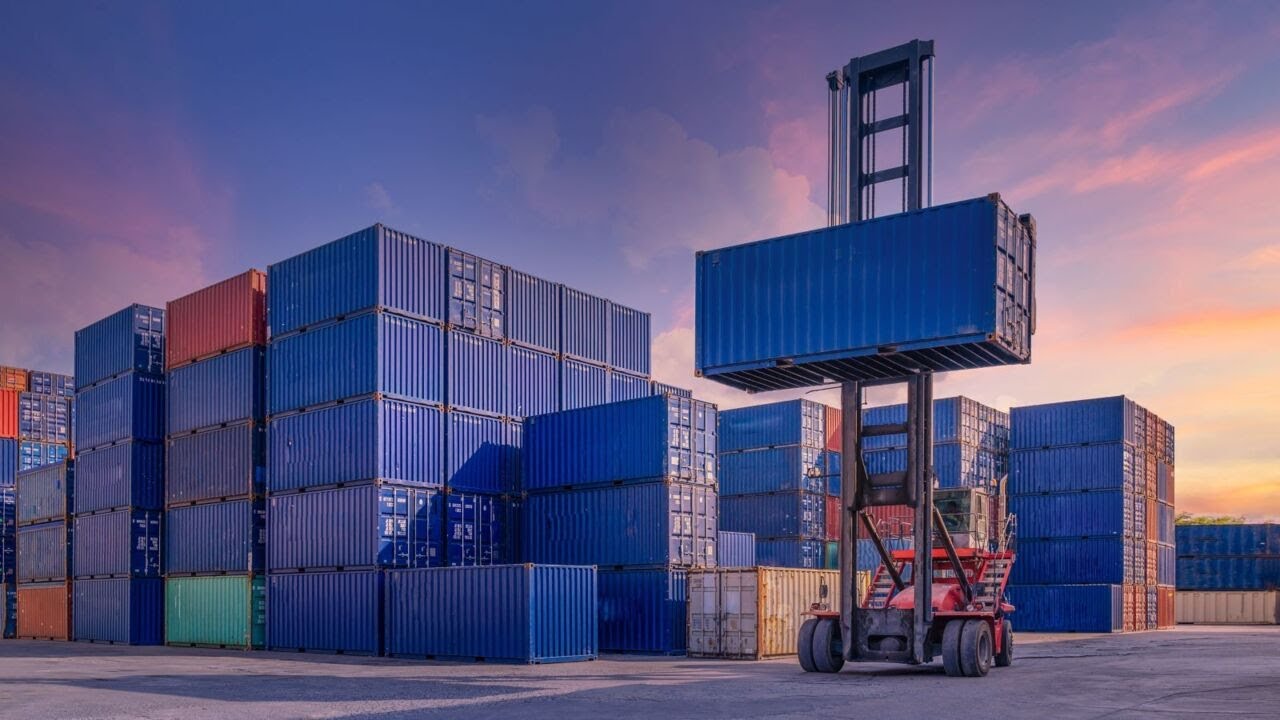
We regularly work with foreign entrepreneurs and business owners who need to import goods into Colombia — from restaurant equipment for a new venture in Medellín, to retail inventory for a boutique in Cartagena, to manufacturing components for a factory in the Coffee Region, to specialty products serving Colombia's growing consumer market. Importing into Colombia is a legitimate, well-established process that thousands of businesses navigate successfully every year, but it's one where foreign business owners consistently underestimate the legal complexity.
The honest reality this guide addresses: Colombian customs regulations are sophisticated, well-enforced, and unforgiving of mistakes. The Estatuto Aduanero (Decreto 1165 de 2019), the DIAN customs system (MUISCA/SYGA), the VUCE electronic platform, the specialized regulatory requirements from agencies like INVIMA and ICA, the network of 60+ trade agreements affecting tariffs, the mandatory customs broker requirement for commercial imports over $1,000 USD FOB, and the significant financial exposure from misclassification or non-compliance — this is a domain where doing it right matters enormously. Businesses that treat importation as a routine logistics matter without proper legal and regulatory foundation consistently face seized shipments, unexpected tariff bills, INVIMA rejections, and administrative sanctions that can materially damage their operations.
We've written this guide because so many of our business clients start with a fundamental question: "how do I actually import goods into Colombia?" And the honest answer isn't a checklist — it's an understanding of an interconnected legal framework that requires strategic planning from before you place your first international order. This guide covers the complete 2026 framework: the legal foundation and regulatory landscape, the essential registration requirements (RUT with Responsabilidad 22, VUCE, sector-specific registrations), the three import regimes (libre importación, licencia previa, prohibida), the complete cost structure (arancel from 0-35%, IVA at 19%, antidumping considerations), Colombia's trade agreement network and how to use it strategically, the sector-specific regulatory requirements (INVIMA for food/cosmetics/medical devices, ICA for agriculture, INDUMIL for regulated items), the operational import process step-by-step, the special customs zones (Zonas Francas), practical cost examples for common business scenarios, and comprehensive strategies to avoid the mistakes that consistently cause problems.
This is general informational guidance, not legal or customs advice. Colombian customs law is complex, product-specific, and continuously evolving through DIAN resolutions, trade agreement updates, and regulatory changes. For any actual import operation, work with our team, a qualified customs broker (agente de aduanas), and — for regulated products — appropriate regulatory specialists.
The 30-Second Answer
If you're planning to import goods into Colombia for your business in 2026:
The essential legal foundation:
- Decreto 1165 de 2019 (Estatuto Aduanero) — the customs statute
- Ley 1609 de 2013 — framework law
- DIAN Aduanas — customs authority via MUISCA/SYGA systems
- VUCE (Ventanilla Única de Comercio Exterior) — centralizes 130+ trade procedures
Essential registrations before importing:
- RUT with commerce exterior activity code
- Responsabilidad 22 (Obligado aduanero) activated
- VUCE registration for permit management
- Sector-specific registrations (INVIMA for food/cosmetics, ICA for agricultural)
Three import regimes:
- Libre importación — 95% of products
- Licencia previa — weapons, chemical precursors, used vehicles
- Prohibida — dangerous waste, biological weapons
The three main import taxes:
- Arancel (customs duty): 0% to 35% depending on HS code
- IVA on imports: 19% on CIF + Arancel base
- Antidumping/safeguards: Special cases only
Customs broker (agente de aduanas):
- Mandatory for imports over $1,000 USD FOB
- Handles declaración de importación through MUISCA
- Coordinates with DIAN and VUCE
- Typical fee: 0.5%-2% of CIF value
Trade agreements (60+ TLCs):
- US-Colombia FTA: Most US goods duty-free with certificate of origin
- EU-Andean Trade Agreement
- Alianza del Pacífico (Mexico, Peru, Chile)
- CAN (Comunidad Andina) — Peru, Ecuador, Bolivia
- China: No TLC — full arancel applies
Practical timelines:
- Sea freight from Asia: 30-45 days transit
- Sea freight from US: 15-25 days transit
- Air freight: 3-7 days transit
- Customs clearance: 1-5 days typically
- INVIMA registration: 3-12 months if applicable
Key 2026 updates:
- VUCE-MUISCA integration improved — faster approvals
- Mesa de Validación Electrónica mandatory April 2026 for all customs agencies
- Sentencia C-075 de 2026 — Constitutional Court struck down Decreto 1390 de 2025
- TIGIE 2026 — updated tariff classifications
The Legal Foundation: Colombian Customs Framework
Understanding the legal foundation clarifies why every step of the import process matters. Colombia's customs system is sophisticated, extensively regulated, and enforced with real consequences for non-compliance.
The Core Legal Framework
Decreto 1165 de 2019 (Estatuto Aduanero) is Colombia's foundational customs statute, replacing the previous framework. This decree governs:
- Import and export procedures
- Customs declarations
- Sanctions for violations
- Special customs regimes
- Rights and obligations of importers
Ley 1609 de 2013 provides the framework law for customs administration.
Article 459 of the Estatuto Tributario establishes the IVA base for imports.
Recent 2026 development — Sentencia C-075 de 2026: The Constitutional Court declared Decreto 1390 de 2025 unconstitutional (inexequibilidad), reverting several proposed customs modifications. This affects how certain import procedures apply in 2026.
Institutional Framework
DIAN (Dirección de Impuestos y Aduanas Nacionales) is Colombia's tax and customs authority. Its customs functions include:
- Collecting import duties and taxes
- Verifying compliance with sanitary, phytosanitary, and safety norms
- Preventing smuggling and money laundering through foreign trade
- Facilitating legitimate commerce
MUISCA (Modelo Único de Ingresos, Servicio y Control Automatizado) is DIAN's technological platform where all import declarations and customs procedures are handled electronically.
MinCIT (Ministerio de Comercio, Industria y Turismo) administers trade policy and negotiates trade agreements.
VUCE (Ventanilla Única de Comercio Exterior) centralizes over 130 foreign trade procedures on a single digital platform. All permits, sanitary registrations, phytosanitary permits, and prior authorizations flow through VUCE.
In 2026, VUCE-MUISCA integration was significantly improved, reducing approval times and eliminating documentary duplications.
Regulatory Agencies
Depending on product category, additional agencies may be involved:
INVIMA (Instituto Nacional de Vigilancia de Medicamentos y Alimentos) regulates:
- Food and beverages
- Pharmaceuticals and medications
- Medical devices
- Cosmetics
- Household cleaning products
- Dietary supplements
- Nutraceuticals
ICA (Instituto Colombiano Agropecuario) regulates:
- Agricultural products
- Plants and plant materials
- Live animals and animal products
- Agricultural inputs
- Seeds
INDUMIL (Industria Militar) regulates:
- Weapons and munitions
- Military-use items
- Certain regulated chemicals
Superintendencia de Industria y Comercio (SIC) regulates:
- Certain regulated products
- Technical norms compliance
- Consumer safety standards
Essential Registrations Before Importing
Before you can legally import commercially into Colombia, several registrations must be completed. Skipping these creates immediate compliance problems and can result in seized shipments.
Step 1: RUT with Commerce Exterior Activity
RUT (Registro Único Tributario) is Colombia's tax identification. For importers, the RUT must be updated with:
- Commerce exterior activity code (CIIU) matching your intended import activity
- Responsabilidad 22 — Obligado aduanero — the customs obligation
- Responsabilidad 09 — Responsible for IVA (typically required for importers)
- Contact information and address current
How to register/update:
- Online: DIAN portal at muisca.dian.gov.co
- Cost: Free
- Timeline: Immediate (verification 1-3 business days)
Critical: Both existing RUTs (for established Colombian businesses) and new RUTs (for newly formed businesses) require this specific activation for customs operations.
Step 2: VUCE Registration
VUCE registration is separate from RUT and required for many import operations, especially those requiring:
- Import licenses (licencia de importación)
- Sanitary registrations (registro sanitario)
- Phytosanitary permits (permiso fitosanitario)
- Sector-specific vistos buenos (approvals)
How to register:
- Online: VUCE portal at vuce.gov.co
- Cost: Free
- Timeline: 3-7 business days for account activation
Step 3: Sector-Specific Registrations
Depending on what you're importing, additional registrations may be required.
INVIMA-regulated products (food, cosmetics, medical devices, pharmaceuticals):
Three tiers of INVIMA authorization:
- Registro Sanitario (Health Registration) — highest tier, required for drugs, biological products, dietary supplements, high-risk food, Class IIb/III medical devices
- Permiso Sanitario (Health Permit) — medium tier
- Notificación Sanitaria (Health Notification) — lowest tier, for cosmetics and hygiene products
Timeline for INVIMA registration: 3-12 months typically, depending on product category and completeness of documentation.
Requirements typically include:
- Application through tramites.invima.gov.co
- Certificate of Incorporation and Legal Representation (less than 90 days old)
- GMP (Good Manufacturing Practices) certificate from foreign manufacturer (apostilled)
- Qualitative-quantitative product formula
- Finished product quality specifications
- Manufacturer's certificate of free sale
- Product labeling (compliant with Colombian regulations)
Penalties for INVIMA non-compliance:
- Fines up to 10,000 SMMLV (~$3.2M USD in 2026)
- Product seizure
- Temporary or permanent business closure
ICA-regulated products (agricultural):
- Phytosanitary permit before shipment
- Compliance with Colombian agricultural norms
- Additional documentation for organic or specialty products
Other regulated categories:
- Weapons/munitions: INDUMIL authorization
- Chemical precursors: Ministerio de Justicia approval
- Radiocommunications equipment: Ministerio TIC authorization
- Textiles from specific origins: Additional registrations
- Used vehicles: Prior license required
The Three Import Regimes
Colombian customs law establishes three import regimes based on product regulation:
Regime 1: Libre Importación (Free Importation)
Approximately 95% of products fall under free importation.
Characteristics:
- No prior license required
- Standard arancel and IVA apply
- Standard documentation
- Faster clearance
Applies to: Most consumer goods, most industrial products, most raw materials, most equipment.
Regime 2: Licencia Previa (Prior License)
Requires prior authorization from Ministerio de Comercio through VUCE.
Applies to:
- Weapons (firearms, munitions)
- Chemical precursors
- Used vehicles
- Some agricultural products
- Certain industrial equipment
- Some strategic goods
Timeline for license approval: 15-45 days typically.
Consequences of importing without required license: Merchandise seized, significant penalties, potential criminal charges.
Regime 3: Prohibida (Prohibited)
Import is legally forbidden.
Applies to:
- Biological weapons
- Dangerous residues
- Certain controlled chemicals
- Specific stolen or counterfeit goods
- Products violating international treaties
Enforcement: Full seizure, criminal prosecution.
Verification: Always verify your product's regime by consulting the DIAN Arancel de Aduanas or asking your customs broker BEFORE placing international orders.
Understanding the Complete Cost Structure
One of the most important aspects of Colombian importation is calculating the true cost. Many first-time importers make decisions based on FOB price without understanding the additional taxes and fees.
The Base: CIF Value
CIF (Cost, Insurance, Freight) is the base value for calculating Colombian import taxes.
CIF = FOB Price + International Freight + International Insurance
The Three Main Import Taxes
1. Arancel (Customs Duty)
- Range: 0% to 35% depending on subpartida arancelaria (HS code)
- Calculation: CIF × Arancel Rate
- Most consumer goods: 5-15%
- Industrial equipment: Often 0-5%
- Agricultural products: Often 10-20%
- Textiles: 15%
- Some luxury goods: 20-35%
Trade agreement preferences may reduce this to 0%.
2. IVA on Imports
- Standard rate: 19% of (CIF + Arancel)
- Reduced rates exist for specific products (5%, 0%)
- Descontable: Import IVA is deductible on your bimonthly IVA declaration
Calculation:
- CIF: $10,000 USD
- Arancel (10%): $1,000 USD
- Base for IVA: $11,000 USD
- IVA (19%): $2,090 USD
3. Special Duties (When Applicable)
- Antidumping duties: For products under specific antidumping investigations
- Safeguards: Temporary protective measures on specific products
- Countervailing duties: For subsidized products
Additional Import Costs (Beyond Taxes)
Customs and logistics costs typically include:
- Customs broker fees: 0.5-2% of CIF value
- Port storage: Variable based on time and location
- Handling fees: Port and terminal charges
- Documentation fees: Bill of lading transfer, D.O. release
- Local transportation: From port to your warehouse
- Insurance: Both international and internal
- Bank fees: For international payment processing
- Financial costs: Currency conversion and hedging
Realistic total added cost: 20-40% above CIF for typical commercial imports (before applicable trade agreement reductions).
Practical Cost Example
Importing $50,000 USD of Chinese-manufactured retail inventory:
- FOB China: $50,000
- Sea freight to Buenaventura: $3,500
- Insurance (2%): $1,000
- CIF: $54,500
- Arancel (15% - no TLC with China): $8,175
- Base for IVA: $62,675
- IVA (19%): $11,908
- Total taxes: $20,083
- Customs broker (1% of CIF): $545
- Port and handling: $800
- Local transport to Bogotá: $600
- Total cost delivered to warehouse: $76,528
- Effective markup over FOB: 53%
Same $50,000 USD from US supplier under FTA:
- FOB US: $50,000
- Sea freight to Cartagena: $2,000
- Insurance (2%): $1,000
- CIF: $53,000
- Arancel (0% - US FTA): $0
- Base for IVA: $53,000
- IVA (19%): $10,070
- Total taxes: $10,070
- Customs broker (1% of CIF): $530
- Port and handling: $600
- Local transport to Bogotá: $600
- Total cost delivered to warehouse: $64,800
- Effective markup over FOB: 30%
The FTA saved approximately $12,000 on this shipment — real money that scales dramatically with volume.
Colombia's Trade Agreement Network
Colombia has trade agreements with over 60 countries, significantly affecting the effective tariff rate for many imports. Understanding these agreements is strategically important.
Major Trade Agreements
US-Colombia Trade Promotion Agreement (TPA/FTA)
Effective since 2012, this comprehensive agreement:
- Eliminates or reduces tariffs on the vast majority of US-origin goods
- Requires proper Certificate of Origin
- Covers goods manufactured or sufficiently transformed in the US
- Includes agricultural provisions (some products have quotas)
Practical implication: For any US-sourced goods, using the FTA is essential to competitive pricing.
EU-Andean Trade Agreement (EU-Colombia FTA)
Effective for Colombia since 2013:
- Reduces tariffs on most EU-origin goods
- Requires EUR.1 movement certificate or equivalent origin proof
- Progressive tariff reductions over transition period
- Specific rules of origin for each product category
Alianza del Pacífico
Trade integration with Mexico, Peru, and Chile:
- Duty-free for most goods between member countries
- Simplified certificate of origin
- Streamlined customs procedures
- Growing intra-alliance trade
Comunidad Andina (CAN)
Free trade zone with Peru, Ecuador, and Bolivia:
- Duty-free for regional-origin products
- Simplified certificate of origin
- Long-standing agreement
Other significant agreements:
- Canada-Colombia FTA
- Mercosur bilateral agreements
- Costa Rica, El Salvador, Guatemala, Honduras individual FTAs
- Cuba, Nicaragua, Venezuela partial agreements
- South Korea Colombia FTA
- Israel-Colombia FTA
China Considerations
Colombia does NOT have a free trade agreement with China.
- Full arancel applies to Chinese-origin goods
- Certificate of origin still required for DIAN control purposes
- Antidumping duties apply to specific product categories
- Higher effective import cost compared to FTA countries
Strategic implication: For similar products, sourcing from FTA countries (US, EU, Mexico, Peru) often produces significantly lower total landed cost than sourcing from China, despite higher FOB prices.
Certificate of Origin Requirements
To claim FTA preferences, you need proper Certificate of Origin:
- Issued by: Exporter's country authority or self-certified per specific FTA rules
- Must precede shipment
- Product must meet rules of origin (manufactured or sufficiently transformed in eligible country)
- Declared in MUISCA during import declaration
Missing certificate = full arancel applies, no exceptions.
The Operational Import Process Step-by-Step
For businesses actually planning imports, understanding the operational process helps avoid delays and mistakes.
Step 1: Pre-Import Planning (Weeks to Months Ahead)
Essential preparation:
- Product classification research: Determine correct HS code (subpartida arancelaria)
- Regulatory verification: Identify required permits (INVIMA, ICA, etc.)
- Regime determination: Confirm libre importación vs. licencia previa vs. prohibida
- Cost calculation: Full arancel + IVA + logistics + broker fees
- Supplier due diligence: Verify supplier credentials and product compliance
- Trade agreement analysis: Identify applicable FTAs and required documentation
This is exactly the strategic planning phase where our team adds significant value — understanding the regulatory landscape BEFORE placing orders prevents expensive mistakes.
Step 2: Registration and Documentation
Complete all required registrations:
- RUT with Responsabilidad 22
- VUCE registration
- INVIMA/ICA registrations if applicable (start early — takes 3-12 months)
- Bank account for import payment
- Customs broker selection and mandate
Step 3: Purchase and Shipping
Coordinate with supplier:
- Incoterms agreement (FOB, CIF, EXW, etc.)
- Payment terms (letter of credit, wire transfer, etc.)
- Required documentation
- Certificate of origin
- Commercial invoice
- Packing list
- Product certifications
Coordinate with logistics:
- Freight forwarder selection
- Insurance arrangements
- Bill of Lading (sea) or Air Waybill (air)
- Container tracking
Step 4: Pre-Arrival Preparation
Customs broker begins process:
- Pre-Import Declaration if required
- Vistos buenos obtained through VUCE if needed
- Documentation review for completeness
- Tributary calculation verification
Step 5: Arrival and Customs Clearance
Once goods arrive at Colombian port:
- Bonded warehouse storage temporarily
- Declaración de Importación filed through MUISCA
- Payment of arancel and IVA
- DIAN review (may include physical inspection)
- Vistos buenos verification
- Release authorization
Timeline: 1-5 business days typically for uncomplicated shipments.
Step 6: Post-Clearance
After customs release:
- Physical delivery to your warehouse
- Inventory registration for accounting
- IVA registration for bimonthly declaration (import IVA is descontable)
- Compliance documentation archived
Common Delays and How to Avoid Them
Delay 1: Missing documentation
- Prevention: Complete pre-shipment documentation review with broker
Delay 2: Incorrect HS classification
- Prevention: Verify classification with broker before shipment
Delay 3: Missing certificates of origin
- Prevention: Request certificate at time of supplier order
Delay 4: Vistos buenos not obtained
- Prevention: Complete VUCE processes before goods arrive
Delay 5: Payment delays
- Prevention: Ensure Colombian bank account funded before goods arrive
Special Customs Zones: Zonas Francas
Colombia's Free Trade Zones (Zonas Francas) offer significant advantages for certain business models.
What Zonas Francas Are
Zonas Francas are designated geographic areas that receive special tax and customs treatment. Goods entering these zones are treated as if they haven't entered Colombian customs territory.
Advantages of Operating in a Zona Franca
Tax advantages:
- Reduced corporate income tax (20% vs. standard 35%)
- No import duties on goods entering the zone
- VAT exemption on many transactions
- Export benefits
Operational advantages:
- Bonded warehousing included
- Streamlined customs procedures
- International logistics infrastructure
- Access to skilled workforce
Types of Zonas Francas
Zonas Francas Permanentes:
- Traditional geographic industrial parks
- Multiple companies operating within
- Shared infrastructure
- Located in major economic centers
Zonas Francas Permanentes Especiales:
- Single-company zones for specific projects
- Often for major industrial or service investments
- Custom-designed for specific operations
Zonas Francas Uniempresariales:
- Single-user zones for specific investments
- Minimum investment thresholds apply
Major Zonas Francas in Colombia
Antioquia:
- Zona Franca Rionegro
- Zona Franca del Café
Cundinamarca (Bogotá area):
- Zona Franca Bogotá
- Zona Franca de Cundinamarca
Valle del Cauca:
- Zona Franca del Pacífico (Buenaventura)
- Zona Franca Palmira
Atlántico (Barranquilla):
- Zona Franca La Cayena
- Zona Franca del Atlántico
Bolívar (Cartagena):
- Zona Franca La Candelaria
- Zona Franca Cartagena
Total: 14 zonas francas operating across Colombia (2026).
Is a Zona Franca Right for Your Business?
Zona Franca operations make sense for:
- Export-oriented businesses (goods eventually re-exported)
- International logistics operations
- Manufacturing with re-export potential
- Large-scale distribution operations
- Specific service sectors (BPO, IT services)
Zona Franca operations don't make sense for:
- Simple import for domestic sale
- Small-scale operations
- Businesses that don't benefit from the tax structure
This is exactly the strategic analysis where legal and financial expertise adds significant value — determining whether zona franca structure enhances your specific business model.
Practical Business Scenarios
Let us walk you through common scenarios we encounter:
Scenario 1: Restaurant Equipment Import
Situation: Foreign entrepreneur opening a restaurant in Medellín, importing commercial kitchen equipment from Italy.
Key considerations:
- HS classification: Correct classification of each piece of equipment
- EU-Colombia FTA: Certificate of origin from Italian supplier
- Arancel typical: 5-10% for commercial kitchen equipment
- IVA: 19% (descontable when restaurant registers as IVA responsible)
- Timing: Coordinate with restaurant opening timeline
Total effective cost: With EU FTA, approximately 25-30% above FOB delivered.
Common issue: Not obtaining EUR.1 certificate of origin means losing FTA benefit, increasing cost by 5-10%.
Scenario 2: Retail Fashion Inventory from US
Situation: Boutique owner in Bogotá importing seasonal fashion inventory from US wholesalers.
Key considerations:
- US-Colombia FTA: Certificate of origin critical
- Arancel with FTA: Often 0% for eligible textiles
- Arancel without FTA: 15% typical for textiles
- Documentation: Product-by-product certificate of origin verification
- Seasonal timing: Order 4-6 months ahead
Total effective cost: With US FTA, approximately 25-30% above FOB delivered.
Common issue: Some fabrics don't meet US rules of origin (if using non-US textiles), losing FTA benefit.
Scenario 3: Manufacturing Equipment from China
Situation: Manufacturing company in Cali importing production machinery from Chinese supplier.
Key considerations:
- No China-Colombia FTA: Full arancel applies
- Arancel: 0-5% typical for manufacturing equipment (some equipment already at 0%)
- IVA: 19% (descontable when company registered)
- Origin certificate: Required despite no FTA (for DIAN control)
- Long shipping: 30-45 days sea freight
Total effective cost: Approximately 35-45% above FOB delivered without FTA.
Common issue: Underestimating total cost by focusing only on FOB price and freight.
Scenario 4: Cosmetics Retail Import
Situation: Beauty retailer importing cosmetic products from various countries for sale in Colombia.
Key considerations:
- INVIMA registration required for each product line
- Notificación Sanitaria de Cosméticos typically (lowest tier)
- Timeline: 6-12 months for INVIMA if starting from scratch
- Labeling: Colombian regulations require Spanish labels
- Documentation: GMP certificates, quality specifications
Total effective cost: Standard import costs PLUS $2,000-10,000 USD per product line for INVIMA registration.
Common issue: Ordering products before INVIMA registration complete — inventory sits in warehouse illegal to sell.
Scenario 5: Food and Beverage Import
Situation: Specialty food importer bringing gourmet products from Europe for restaurant supply.
Key considerations:
- INVIMA registration mandatory for food products
- Higher scrutiny for food safety
- Cold chain requirements if applicable
- Spanish labeling required
- Nutritional information in Colombian format
Timeline: 6-12 months for INVIMA plus product testing.
Common issue: Assuming EU food safety approval translates to Colombian approval — INVIMA has its own process.
Common Mistakes Foreign Business Owners Make
In our practice advising foreign businesses on Colombian imports, we consistently see the same mistakes create expensive problems.
Mistake 1: Not Registering Properly Before First Import
The consequence: Shipment arrives without importer registration active, gets held at port, requires expensive resolution.
Prevention: Complete RUT, Responsabilidad 22, and VUCE registrations weeks BEFORE placing first international order.
Mistake 2: Wrong Product Classification
The consequence: Wrong HS code means wrong arancel, wrong IVA, potential penalties for misclassification.
Prevention: Verify classification with qualified customs broker BEFORE shipment. Consider requesting DIAN pre-classification (consulta de clasificación).
Mistake 3: Missing Certificate of Origin for FTA Products
The consequence: Losing FTA benefit, paying full arancel unnecessarily.
Prevention: Require certificate of origin as part of every FTA-eligible purchase order. Verify before shipment.
Mistake 4: Ignoring INVIMA/ICA Requirements
The consequence: Product arrives but can't be legally sold. Inventory sits, capital tied up, potential seizure.
Prevention: Complete regulatory registrations BEFORE product arrives — often start 6-12 months ahead for INVIMA.
Mistake 5: Underestimating Total Landed Cost
The consequence: Business model doesn't work when actual costs include full arancel, IVA, broker fees, and logistics.
Prevention: Calculate complete landed cost BEFORE committing to international purchases. Include 30-40% markup over FOB as realistic estimate.
Mistake 6: Choosing Non-FTA Country When FTA Alternative Exists
The consequence: Paying arancel unnecessarily when comparable product available from FTA country.
Prevention: Analyze total cost across sourcing options, not just FOB price.
Mistake 7: Using Air Freight When Sea Freight Would Work
The consequence: Air freight is 70-80% more expensive than sea freight for non-urgent cargo.
Prevention: Plan far enough ahead to use sea freight for non-time-sensitive imports.
Mistake 8: Not Working With Qualified Customs Broker
The consequence: Documentation errors, delays, missed opportunities for optimization.
Prevention: Engage qualified customs broker familiar with your product category before first shipment.
Mistake 9: Not Planning for Currency Fluctuation
The consequence: COP/USD movements affect final costs significantly.
Prevention: Consider forward contracts or currency hedging for large imports.
Mistake 10: Treating Compliance as One-Time Setup
The consequence: Regulatory changes, RUT updates, license renewals missed lead to future problems.
Prevention: Establish ongoing compliance monitoring, either internally or through legal counsel.
Quick Checklist
- Legal foundation: Decreto 1165 de 2019 (Estatuto Aduanero) governs all imports.
- Essential registrations: RUT + Responsabilidad 22 + VUCE + sector-specific.
- Three import regimes: Libre (95%), Licencia Previa, Prohibida.
- Three main taxes: Arancel (0-35%), IVA (19%), possible antidumping.
- CIF is the base: FOB + Freight + Insurance for tax calculations.
- Trade agreements matter: 60+ FTAs — verify applicable ones for your product/origin.
- US-Colombia FTA: Duty-free for most US goods with proper certificate of origin.
- China imports: No FTA — full arancel applies.
- Customs broker mandatory: For imports over $1,000 USD FOB.
- INVIMA required: For food, pharmaceuticals, cosmetics, medical devices (6-12 month timeline).
- ICA required: For agricultural products.
- Zonas Francas: Special tax treatment for eligible business models.
- MUISCA + VUCE: Electronic platforms for all trade procedures.
- Certificate of origin: Critical for claiming FTA preferences — always required for DIAN control.
- Total realistic markup: 25-45% above FOB depending on FTA status and product.
Why We Help Foreign Businesses with Import Operations
Colombian import operations require specialized legal work at the intersection of customs law, trade agreement analysis, regulatory compliance (INVIMA, ICA, and others), corporate law (business structuring), and tax optimization. The stakes are substantial — seized shipments, unexpected tariff bills, regulatory rejections, and administrative sanctions can materially damage business operations. This is exactly the kind of situation where professional legal support significantly improves outcomes.
Our practice is specifically built for foreign business owners navigating these complex requirements. We regularly help entrepreneurs, importers, and businesses establish compliant, optimized import operations in Colombia.
Comprehensive services relevant to import operations:
- Business Law Services — full-service business legal support including import compliance
- Company Formation — including structures optimized for import operations
- Due Diligence — pre-transaction analysis for major imports
- Investment Visa — coordinating import investment with M-Investor Visa
- Immigration Services — for business owners' visa strategy
Services specifically for import operations:
- Pre-import strategic planning — regulatory landscape analysis for your specific products
- Corporate structure optimization — including zona franca analysis where appropriate
- RUT and VUCE registration coordination — proper setup for import operations
- Regulatory compliance strategy — INVIMA, ICA, and other sector-specific requirements
- Trade agreement optimization — identifying and structuring for FTA benefits
- Customs broker coordination — working with qualified agents on your behalf
- Documentation review — ensuring compliance with all requirements
- DIAN interaction management — when issues arise
- Sanctions and enforcement defense — when violations occur
- Ongoing compliance advisory — as your import operations evolve
Specialized situations the firm handles:
- Foreign entrepreneurs establishing first Colombian import operations
- Existing importers optimizing tax and tariff structures
- Complex regulated product imports (food, cosmetics, medical devices)
- Zona franca structure analysis and implementation
- Trade agreement compliance and optimization
- Import-related disputes with DIAN
- Regulatory disputes with INVIMA, ICA, or other agencies
- Corporate restructuring for import optimization
- Cross-border coordination with foreign supplier legal counsel
Founded by foreigners, for foreigners. We understand the specific challenges foreign business owners face when navigating Colombian customs and regulatory frameworks.
Bilingual team. All advice, documentation, and communications handled in English (and Spanish), ensuring clear understanding of complex regulatory frameworks.
National coverage. Legal services available in Bogotá, Medellín, Cartagena, Cali, Barranquilla, Pereira, Manizales, Armenia, Santa Marta, Bucaramanga, Cúcuta, and Villavicencio.
Integrated support. Import operations connect to broader legal contexts — corporate structuring, tax planning, immigration status, foreign investment registration, employment law. Working with one firm that maintains context across these matters produces more coherent outcomes than fragmented advice.
Continuity across import operations. Import compliance is ongoing, not a one-time setup. The firm typically maintains client relationships across import lifecycles — initial setup, ongoing compliance, dispute resolution, and expansion.
Get Started with Our Team
If you're planning to import goods into Colombia — whether you're establishing a new business, expanding existing operations, or optimizing current import processes — the earlier you engage qualified legal counsel, the better your outcomes.
Contact our team:
- WhatsApp: +57 321 864 2275
- Email: info@stanfordbaker.com
- Website: stanfordbaker.com
- Bogotá office: Kr 13 # 93-68, Bogotá, Cundinamarca, Colombia
We offer initial consultations to discuss your specific situation — your business type, target products, sourcing countries, sales objectives, and timeline — and provide clear fee structures before any engagement.
For our full range of services, see Business Law Services, Company Formation, and Due Diligence.
Final Thoughts
Importing goods into Colombia is genuinely accessible for foreign businesses — thousands of successful import operations exist across every sector of the Colombian economy. But it's a domain where doing it right matters enormously, and where shortcuts consistently create expensive problems.
The most important insights to internalize are: the legal foundation is Decreto 1165 de 2019 (Estatuto Aduanero) — comprehensive customs regulation that requires careful compliance; essential registrations must precede first imports — RUT with Responsabilidad 22, VUCE, and sector-specific approvals like INVIMA or ICA; three import regimes determine what's possible (libre importación covers 95% of products); the true cost includes arancel (0-35%), IVA (19%), and logistics costs — typically 25-45% above FOB; trade agreements matter strategically — Colombia has 60+ FTAs affecting effective tariffs; regulated products (food, cosmetics, medical devices) require additional INVIMA processes taking 6-12 months; customs brokers are mandatory for commercial imports over $1,000 USD FOB; and Zonas Francas offer special treatment for eligible business models.
The practical realities that separate successful importers from those with problems are: strategic planning before first imports — analyzing products, sourcing options, and trade agreements; complete registrations before ordering — not scrambling after goods arrive; realistic cost calculations including full arancel, IVA, and logistics; appropriate customs broker selection for your product category and volume; regulatory compliance planning for INVIMA/ICA products with realistic timelines; trade agreement optimization through careful sourcing decisions; ongoing compliance management rather than one-time setup thinking; and qualified legal support — this is genuinely not a DIY area.
In our experience helping foreign business owners establish Colombian import operations, the ones who thrive treat setup as a strategic project with proper legal and regulatory foundation. The upfront investment in qualified legal counsel — analyzing your specific products, sourcing options, and business objectives — pays returns throughout your Colombian business operations. The cost of getting imports right from the start is dramatically less than the cost of seized shipments, retroactive penalties, missed FTA opportunities, and administrative complications.
For foreign entrepreneurs considering Colombian business ventures that involve importing — whether restaurant equipment, retail inventory, manufacturing components, or specialty products — proper legal foundation is essential. The Colombian customs system rewards preparation and punishes shortcuts. Investment in getting compliance right positions your business for successful long-term operations in one of Latin America's most dynamic markets.
Contact our team: +57 321 864 2275 (WhatsApp) | info@stanfordbaker.com | stanfordbaker.com/business-law-services
Key official sources and references
- Decreto 1165 de 2019 (Estatuto Aduanero) — foundational customs statute
- Ley 1609 de 2013 — framework customs law
- Article 459 Estatuto Tributario — IVA base for imports
- Sentencia C-075 de 2026 — Constitutional Court on Decreto 1390 de 2025 (inexequibilidad)
- DIAN (Dirección de Impuestos y Aduanas Nacionales): dian.gov.co
- MUISCA Portal: muisca.dian.gov.co
- VUCE (Ventanilla Única de Comercio Exterior): vuce.gov.co
- MinCIT (Ministerio de Comercio): mincit.gov.co
- INVIMA: invima.gov.co | Portal: tramites.invima.gov.co
- ICA (Instituto Colombiano Agropecuario): ica.gov.co
- Arancel de Aduanas Nacional — available through DIAN portal
- US-Colombia Trade Promotion Agreement — active since 2012
- EU-Andean Trade Agreement — active for Colombia since 2013
- Alianza del Pacífico — Mexico, Peru, Chile
- Comunidad Andina (CAN) — Peru, Ecuador, Bolivia
- 2026 SMLMV (minimum wage): 1,750,905 COP/month (relevant for INVIMA penalty calculations)
- Zonas Francas: 14 active zones in Colombia (2026)
This article is provided by Stanford Baker & Associates for general informational purposes only and is current as of early 2026. Colombian customs law is complex, product-specific, and continuously evolving through DIAN resolutions, trade agreement updates, and regulatory changes. Specific tariff rates, regulatory requirements, and procedures depend on your specific products, sourcing countries, and business circumstances. This is not legal or customs advice. For any actual import operation, work with our team, a qualified customs broker (agente de aduanas), and — for regulated products — appropriate regulatory specialists.
Work with Our Team on Your Import Strategy
Importing goods into Colombia requires strategic planning across customs law, regulatory compliance, trade agreements, and business structure. Our team coordinates the complete framework — from pre-import analysis through ongoing compliance — so your import operations are legally sound and cost-optimized.
Explore Our Services