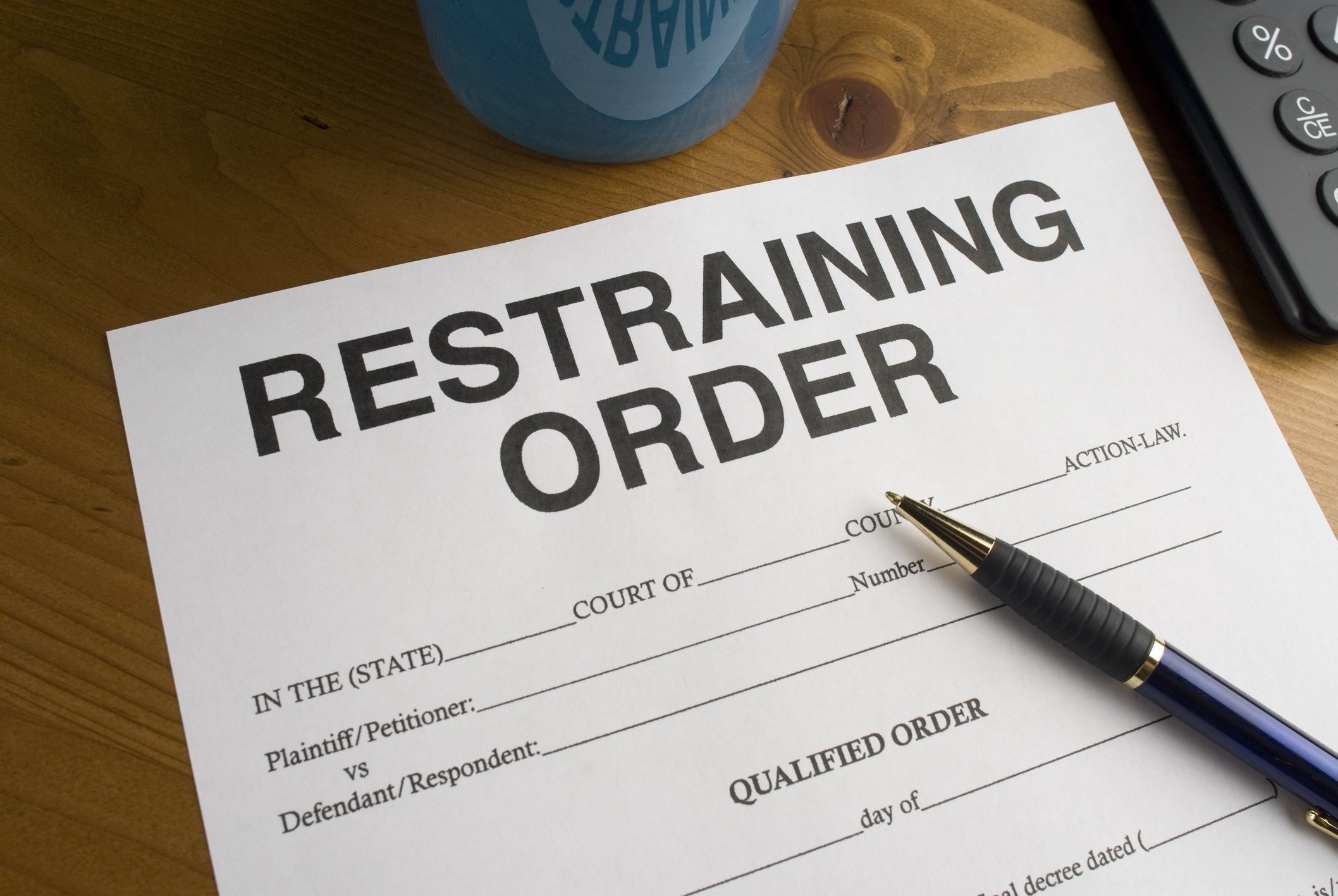
If you are in immediate danger, call 123 (Colombia's national emergency line) or go to your nearest police station (CAI or Estación de Policía) right now. Colombian law provides comprehensive protection to foreigners in Colombia — you don't need a cédula de extranjería, you don't need to speak perfect Spanish, and your immigration status doesn't disqualify you from seeking protection. This guide will help you understand your options, but if you're facing violence or imminent threats, immediate action through emergency services matters more than reading this article.
The honest reality this guide addresses: many foreigners in Colombia don't know that Colombia has one of the most comprehensive legal frameworks for protection against violence in Latin America — Ley 1257 de 2008 provides broad protections against violence against women, Ley 2126 de 2021 restructured the Comisarías de Familia system to make protection more accessible, and Article 229 of the Colombian Criminal Code makes intrafamiliar violence a serious crime punishable by 4-8 years in prison. But navigating this system as a foreigner — dealing with language barriers, understanding which authority to approach for which situation, knowing what documents to bring, and understanding the difference between administrative protection and criminal proceedings — is genuinely challenging when you're already in a difficult situation.
This guide covers the complete 2026 framework for getting a restraining order (medida de protección) or other protective measures in Colombia as a foreigner: the emergency resources for immediate danger, the legal foundation (Ley 1257, Ley 2126, Article 229 Código Penal, and recent Constitutional Court jurisprudence like Sentencia T-242 de 2025), the three types of protective measures (immediate, provisional, definitive), where to file for different situations (Comisarías de Familia, Fiscalía, Policía, Casas de Justicia, family courts), the specific scenarios foreigners face (domestic violence, ex-partner harassment, stalking, workplace threats, cross-border custody), foreign-specific considerations (interpreter rights, consular support, immigration protection), and how to work with legal counsel through the process.
Emergency Resources: If You Need Help Right Now
Save these numbers to your phone immediately. In Colombia:
For Immediate Danger
- 123 — National Emergency Line (police, immediate response)
- Nearest CAI (Centro de Atención Inmediata) or Estación de Policía — go directly if you can safely
For Women Experiencing Violence (24-Hour Lines)
- 155 — National Women's Line (24/7, free, national coverage, confidential, orientation and support)
- 123 Mujer — Women's Emergency Line (available in Medellín, Bogotá, and other cities)
- Línea Púrpura Distrital (Bogotá): 018000112137 — Bogotá's Women's Purple Line
For Legal Orientation
- Comisarías de Familia — file protective measures for family violence (find location: minjusticia.gov.co)
- Casas de Justicia — integrated services in most major cities
- Fiscalía General de la Nación — file criminal complaints (URI centers 24/7)
- Defensor de Familia — can file on behalf of victims unable to file themselves
For Consular Support
- Contact your country's embassy or consulate in Colombia
- US Embassy Bogotá: (571) 275-2000
- Canadian Embassy: (571) 657-9800
- UK Embassy: (571) 326-8300
- Other embassies: Search "[Your Country] Embassy Colombia"
Language Support
- Colombian authorities are required to provide interpreter services
- You have the right to communicate in your language
- Ask specifically for an interpreter (intérprete) if needed
The 30-Second Answer
If you need protection from violence or threats in Colombia in 2026:
For Immediate Danger
- Call 123 — police response
- Go to nearest police station (CAI) if you can safely
- Call 155 for women-specific 24/7 support
For Family/Domestic Violence
- Comisaría de Familia is the primary authority
- File a solicitud de medida de protección — can be oral, written, or through any suitable means
- Immediate protection available same-day in most cases
- Legal representation not required but helpful
For Non-Family Threats (Stalking, Workplace, Criminal Harassment)
- Fiscalía General de la Nación for criminal complaint (denuncia)
- Casas de Justicia for orientation and coordination
- Emergency measures available through criminal proceedings
For Foreigners Specifically
- No cédula de extranjería required to file protective measures
- Immigration status doesn't disqualify you from protection
- Interpreter services required to be provided if needed
- Consular support available from your embassy
- All rights under Ley 1257 apply to foreign women in Colombia
Types of Protection Available
- Medida de Protección Inmediata — issued same-day, temporary
- Medida de Protección Provisional — during investigation, up to 30 days
- Medida de Protección Definitiva — after full proceedings, longer duration
- Órdenes de alejamiento (restraining orders) prohibiting contact
Consequences for the Aggressor
- Non-compliance leads to arrest orders through Family Judge
- Article 229 Código Penal — criminal charges (4-8 years imprisonment)
- Immediate expulsion from shared home if applicable
- Prohibited from contacting victim by any means
The Legal Framework: What Colombian Law Actually Provides
Understanding the legal foundation helps you know what protections you're entitled to and how the system operates.
The Foundational Laws
Ley 294 de 1996 — Colombia's original law on prevention, remediation, and sanction of intrafamiliar violence. Established the concept of family protection measures.
Ley 575 de 2000 — First major modification, expanded protection framework.
Ley 1257 de 2008 — The landmark law on violence against women. Provides comprehensive framework for prevention of violence against women, detection of all forms of violence, protective measures in cases of violence, sanctions for perpetrators, and rights of victims of violence.
Ley 1542 de 2012 — Made intrafamiliar violence a public prosecution offense (querellable no longer required — the state can prosecute even without formal complaint from victim).
Ley 2126 de 2021 — Restructured Comisarías de Familia system, strengthening their capacity to issue protective measures. Key improvements include better technical staffing requirements, enhanced procedural protections, clearer processes for issuing arrest orders for non-compliance, and improved coordination with judicial system.
Decreto 1069 de 2015 — Regulatory framework for implementing protection laws.
Article 229 of Código Penal (Ley 599 de 2000) — Establishes intrafamiliar violence as a criminal offense.
Ley 1850 de 2017 and Ley 1959 de 2019 — Modifications to Article 229, currently establishing 4 to 8 years imprisonment for intrafamiliar violence.
The Constitutional Framework
Article 42 of the Colombian Constitution — Establishes family as fundamental institution and protects against family violence.
Article 43 of the Constitution — Equality between men and women, special protection for women, particularly during pregnancy and after birth.
Article 44 of the Constitution — Children's rights prevail over others; establishes special protection for children.
Ley 1098 de 2006 (Código de la Infancia y Adolescencia) — Specific protections for children.
Recent Jurisprudence
Constitutional Court Sentencia T-242 de 2025 — Recent ruling emphasizing the responsibility of Comisarías de Familia to properly analyze special conditions of family members affected by protective measures, and reinforcing due process and personal integrity rights for women victims of violence.
The Court has consistently held that protective measures are administrative acts with judicial functions, due process rights of both victim and alleged aggressor must be respected, arrest orders for non-compliance follow specific procedures, and Comisarías have jurisdictional functions for these matters.
The Three Types of Protective Measures
Colombian law establishes three distinct types of protective measures with different scopes and durations.
Type 1: Medida de Protección Inmediata (Immediate Protection)
When it applies: In situations of urgent danger or ongoing violence.
Who issues: The Comisario de Familia or, in absence, the Juez Civil Municipal or Promiscuo Municipal.
Time to issue: Same day of the request in most cases.
Duration: Immediate and temporary — until provisional or definitive measures can be evaluated.
Common measures included:
- Order the aggressor to cease violent conduct — foundational protection
- Order the aggressor to leave the shared home — physical separation
- Prohibit the aggressor from entering the victim's residence — even if they don't live together
- Prohibit contact by any means — in person, phone, messages, social media
- Order police protection for the victim
- Emergency shelter placement if needed
How to request: Can be requested by the victim themselves, any person acting on the victim's behalf, the Defensor de Familia if victim cannot request, or any authority who becomes aware of the violence.
Requirements: Petition can be made in writing, orally, or through any suitable means — this deliberately low threshold ensures accessibility.
Type 2: Medida de Protección Provisional (Provisional Protection)
When it applies: During the investigation phase, once initial evaluation has occurred.
Duration: Up to 30 days, extendable while investigation continues.
Purpose: Bridge protection between immediate response and definitive resolution.
Typical measures:
- All immediate protection measures continued
- More detailed conditions of separation
- Formal restraining distance requirements
- Prohibition on approaching specific locations (workplace, children's school)
- Weapons prohibition (surrender of any firearms)
Type 3: Medida de Protección Definitiva (Definitive Protection)
When it applies: After full administrative process before Comisaría de Familia.
Requirements for issuance: The competent authority must determine, through motivated providencia (formal decision), that the applicant or family member has been a victim of violence.
Duration: Extended period — often 6-12 months, renewable.
Comprehensive measures:
- All previous protective measures
- Detailed no-contact requirements
- Financial support obligations where applicable (alimentos)
- Custody and visitation modifications for children
- Property and possession orders
- Mandatory treatment for aggressor (psychological, addiction, etc.)
- Employer notification in some cases
Enforcement: Comisario de Familia can request arrest order through Family Judge for non-compliance. Article 44 of Ley 2126 established that these requests receive preferential treatment by judges.
Where to File Based on Your Situation
Different situations require different authorities. Understanding which to approach saves critical time.
Scenario 1: Family/Intimate Partner Violence
Primary authority: Comisaría de Familia
Comisarías de Familia have jurisdiction over violence between spouses or partners, violence between family members, violence in unión marital de hecho (de facto marital union), and violence involving children in family context.
What they can do: Issue immediate protective measures, order aggressor to leave shared residence, establish no-contact orders, coordinate with children's welfare (ICBF), and refer for criminal prosecution if warranted.
Where to find: Every Colombian municipality has at least one Comisaría de Familia. Find yours at minjusticia.gov.co or ask at Casa de Justicia.
Same-day service: Emergency situations receive same-day attention.
No lawyer required: You can file yourself. Legal counsel is helpful but not mandatory.
Scenario 2: Non-Family Threats (Stalking, Harassment, Non-Family Assault)
Primary authority: Fiscalía General de la Nación
Fiscalía handles criminal proceedings for threats (amenazas), personal injury (lesiones personales), sexual violence outside family context, stalking (acoso) and harassment (hostigamiento), and discrimination and hate crimes.
What they can do: Open criminal investigation, request protective measures through court, order restraining measures during investigation, coordinate with police for enforcement, and prosecute the criminal case.
Where to file:
- URI (Unidad de Reacción Inmediata) — 24/7 units in major cities
- Fiscalía offices during business hours
- CAV (Centro de Atención a Víctimas) in some cities
- Online reporting for some crime types
Timing: File as soon as possible. Evidence deteriorates and delays complicate cases.
Scenario 3: Immediate Threat Requiring Police
Primary authority: Policía Nacional
Contact methods:
- 123 — National Emergency Line (immediate response)
- CAI (Centro de Atención Inmediata) — nearest police station
- Estación de Policía — full police station
- Comando de Policía — headquarters
What they can do: Immediate physical response, detain aggressor if crime being committed, transport to safety, coordinate with Comisaría or Fiscalía for follow-up, and provide police report (constancia policiva) for later legal use.
Timing: Immediate for active threats.
Foreign-Specific Considerations
Colombian law protects foreigners equally under most circumstances, but there are specific considerations foreigners should understand.
You Don't Need Cédula de Extranjería to File
Article 100 of the Colombian Constitution grants foreigners the same civil rights as Colombians (with limited exceptions). Protection from violence is a fundamental civil right.
In practice:
- Tourist visa holders can file for protection
- Undocumented foreigners can file for protection
- Any foreigner in Colombia — regardless of visa status — can seek protection
- No cédula de extranjería required for the initial filing
- Passport identification is sufficient
Immigration Status Doesn't Disqualify You
Important protection: Seeking protection from violence does NOT trigger immigration consequences for the victim. Colombia doesn't use protection filings as immigration enforcement mechanisms.
Foreign women seeking protection may actually strengthen their immigration case in certain circumstances — being a domestic violence victim can support certain visa applications or humanitarian relief.
Interpreter Rights
You have the right to communicate in your language. Colombian authorities must provide interpreter services when needed.
How to request:
- Ask specifically for an intérprete (interpreter)
- If not immediately available, insist on delayed proceeding rather than accepting proceedings you don't understand
- Bring a bilingual friend as backup, but insist on official interpreter for formal proceedings
- Written interpretations may be provided for formal documents
Consular Support
Your country's embassy can provide:
- Emergency contact information
- List of English-speaking attorneys
- Coordination with home country authorities if needed
- Communication with family in home country
- Support in crisis situations
- Documentation assistance
Contact your embassy — even if you don't need immediate help, they can provide orientation on your specific rights and options.
Common Scenarios Foreigners Face
Scenario 1: Foreign Woman in Abusive Relationship with Colombian Partner
The situation: Foreign woman married to or in relationship with Colombian man experiencing physical, psychological, sexual, or economic abuse.
Primary path:
- Comisaría de Familia for protective measures
- Consular support from home country embassy
- Line 155 for orientation and support
- Consider Fiscalía for criminal charges if warranted
Key considerations:
- Marriage to Colombian doesn't affect right to protection
- M-Cónyuge visa status should not be affected by seeking protection
- Consider immigration attorney for visa implications
- Emergency shelter placement available if needed
Scenario 2: Foreign Man Being Harassed by Colombian Ex-Partner
The situation: Foreign man being harassed, threatened, or stalked by former Colombian romantic partner (former marriage, dating relationship, or unión marital de hecho).
Primary path:
- Comisaría de Familia if former partnership qualifies as family
- Fiscalía for criminal threats
- Police for immediate threats
Key considerations:
- Colombian law protects men and women equally — though services often oriented toward women
- Line 155 is women-focused but general services available to men
- Documentation is essential — men in these situations sometimes face skepticism
- Consider legal counsel to strengthen your case presentation
Scenario 3: Cross-Border Custody Dispute with Threats
The situation: Custody dispute involves threats of violence, abduction, or intimidation across international borders.
Primary path:
- Comisaría de Familia for immediate protection
- Juez de Familia for custody protective measures
- ICBF (Colombian family welfare authority) for children
- Coordinate with home country through embassy
Key considerations:
- Hague Convention on International Child Abduction applies
- Colombian courts have jurisdiction for children in Colombia
- Emergency exit prevention through migration authorities
- International legal counsel often necessary
Scenario 4: Workplace Harassment or Threats
The situation: Harassment, threats, or violence from coworker, employer, or workplace-connected individual.
Primary path:
- Fiscalía for criminal complaints
- Ministerio de Trabajo for workplace matters
- Legal counsel for coordinated approach
Key considerations:
- Colombian labor law provides workplace protections
- Workplace harassment may violate multiple laws
- Employer obligations to prevent harassment
- Documentation critical
Scenario 5: Same-Sex Partner Protection
The situation: Same-sex partner (whether formal marriage or unión marital) experiencing intimate partner violence.
Primary path:
- Comisaría de Familia — protections apply equally to same-sex partnerships
- Same legal framework as heterosexual couples
- Full protective measures available
Key considerations:
- Ley 1257 applies to same-sex relationships
- Sociedad patrimonial (for unión marital de hecho) applies to same-sex couples
- Same visa protections apply
- Full legal equality established since Constitutional Court decisions
Consequences for the Aggressor
Administrative Consequences
Non-compliance with protective measures:
- Arrest orders through Family Judge (preferential procedural handling)
- Fines for violations
- Extended protective measures
- Mandatory treatment (psychological, addiction)
- Loss of custody rights
- Property division consequences
Criminal Consequences
Article 229 of Código Penal (Ley 599 de 2000):
- Intrafamiliar violence: 4 to 8 years imprisonment
- Modified by Ley 1850 de 2017 and Ley 1959 de 2019
- Aggravating circumstances for vulnerable victims (children, elderly, disabled)
- Multiple charges possible for different violent acts
Related criminal offenses:
- Threats (Article 347): Up to 4 years
- Personal injury (Articles 111-114): Varies by severity
- Sexual violence (Articles 205-219): Serious sentences
- Aggravated forms: Extended sentences
Immigration consequences for aggressor foreigners:
- Serious crimes can trigger visa cancellation
- Deportation possible
- Ban on future entry
Common Mistakes to Avoid
Mistake 1: Delaying because of immigration concerns. Colombian protection is available regardless of immigration status. Delaying protection because of immigration fears can put you in greater danger.
Mistake 2: Not documenting incidents. Detailed documentation of violence — dates, times, injuries, witnesses — significantly strengthens your case.
Mistake 3: Returning to shared residence prematurely. After protective measures are issued, returning to the same living situation without proper safeguards puts you at risk.
Mistake 4: Not utilizing Line 155 for orientation. Even if you're not sure you want to file, 155 provides free confidential orientation that helps you understand your options.
Mistake 5: Assuming Colombian system won't help you. Colombia has developed comprehensive protection frameworks. The system is genuinely designed to help victims.
Mistake 6: Not requesting interpreter services. You have the right to communicate in your language. Don't accept proceedings you don't understand.
Mistake 7: Not coordinating with embassy. Your embassy can provide valuable support, especially in complex situations.
Mistake 8: Underestimating enforcement mechanisms. Colombian protective measures have real enforcement — including arrest orders for non-compliance.
Mistake 9: Not filing criminal complaints when warranted. Administrative protection is one path, but criminal proceedings provide additional protection and consequences.
Mistake 10: Not addressing children's needs separately. Children may need their own protective measures, ICBF involvement, and specialized support.
Quick Checklist
- Emergency: Call 123 for immediate police response.
- Women's 24/7 support: Line 155 for orientation, free and confidential.
- Family violence: Comisaría de Familia is primary authority.
- Non-family threats: Fiscalía General de la Nación for criminal complaints.
- Foreigners don't need cédula de extranjería to file for protection.
- Immigration status doesn't disqualify from protection.
- Right to interpreter services — request specifically.
- Three protection types: Immediate, provisional, definitive.
- Filing can be oral, written, or by any suitable means — accessibility protected.
- Consular support available from your country's embassy.
- Article 229 Código Penal: 4-8 years for intrafamiliar violence.
- Non-compliance leads to arrest orders through Family Judge.
- Constitutional Court Sentencia T-242 de 2025 reinforces protection rights.
- Casas de Justicia provide integrated services and orientation.
Final Thoughts
Colombia has one of the most comprehensive legal frameworks in Latin America for protection against violence — but the framework only helps if you know how to access it, especially as a foreigner navigating Spanish-language systems while potentially in crisis. The most important insights to internalize are: immediate danger requires immediate action — call 123 or go to nearest police station; Line 155 is your 24/7 orientation resource — free, confidential, national; Comisarías de Familia handle family violence — accessible, don't require lawyer, same-day protection possible; Fiscalía handles criminal matters — for non-family threats and criminal proceedings; your foreign status doesn't disqualify you — Colombian law protects foreigners equally; and you have the right to interpreter services — insist on them if needed.
The practical playbook for anyone in a dangerous situation in Colombia: prioritize immediate safety first — get to a safe location, call 123 if in immediate danger; understand your options through Line 155 or Casa de Justicia if not in immediate danger; file protective measures at the appropriate authority (Comisaría for family, Fiscalía for criminal); document everything — dates, evidence, witnesses, injuries; coordinate with your embassy for consular support; ensure enforcement through police and administrative channels when needed; and consider legal counsel for complex situations, but don't delay safety measures waiting for lawyers.
For foreigners in Colombia, the reassuring reality is that Colombian law is on your side. The system genuinely protects victims of violence regardless of nationality, immigration status, or Spanish proficiency. The Comisarías de Familia system was restructured under Ley 2126 de 2021 to be more accessible and effective. Line 155 provides genuinely helpful orientation. Emergency response through 123 works. The Fiscalía prosecutes intrafamiliar violence as a serious crime punishable by 4-8 years imprisonment.
If you or someone you know is experiencing violence in Colombia, don't wait — reach out through the emergency lines and services described in this guide. Colombia's protection framework is comprehensive, accessible, and designed to help you. You are not alone, and help is available.
About Family Law and Safety in Colombia
We provide family law services and safety-related legal counsel for foreigners in Colombia, including protective measure coordination and family law support.