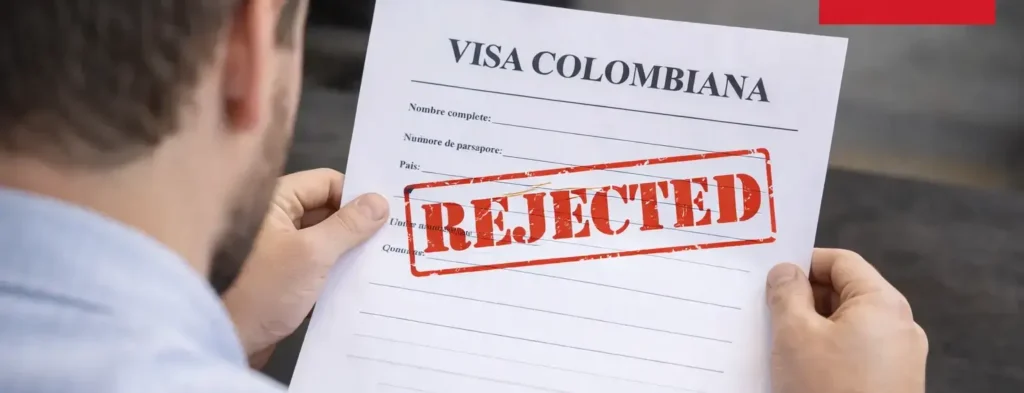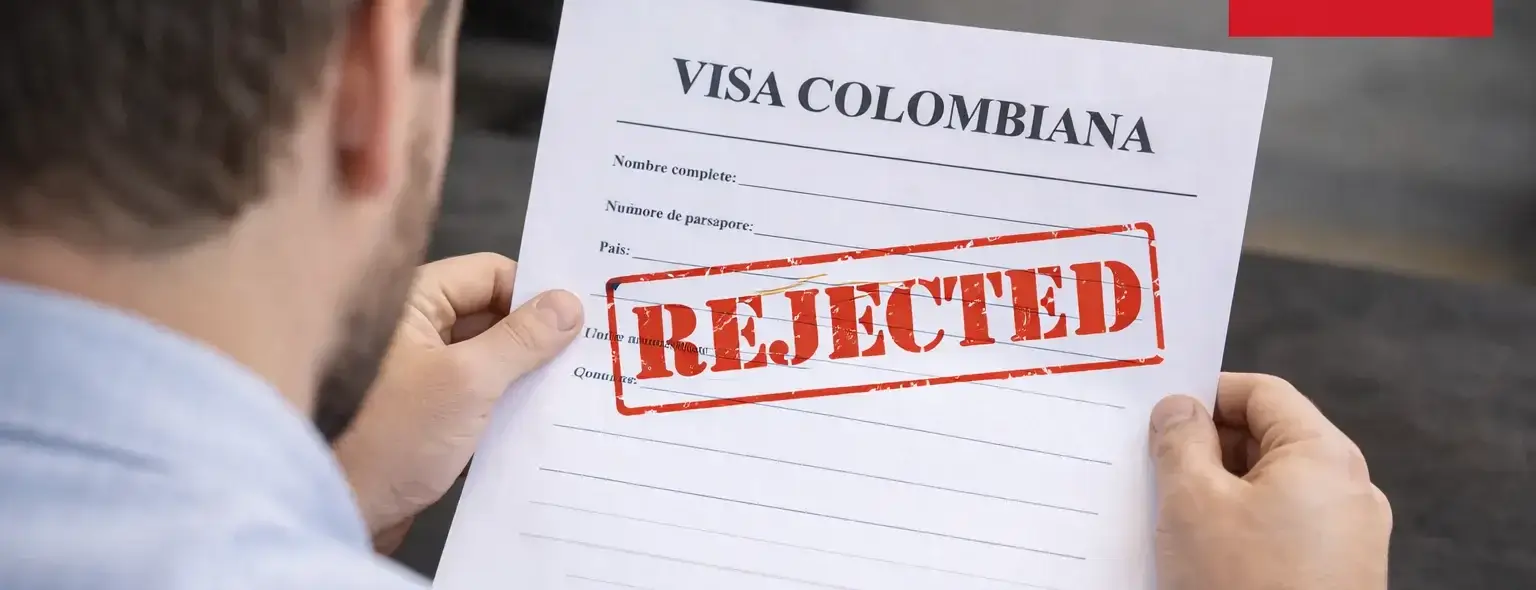
Visa continuity in Colombia often depends on timing, document consistency, and choosing the right category before your current status runs out. Small filing errors can trigger delays, extra costs, and stressful gaps in lawful stay. This guide clarifies what “renewal” usually means in Colombia, what affects fees and timelines, and how legal support can reduce avoidable risk.
“Renewal” in Colombia is usually a new visa application
In Colombia, what many applicants call a “visa renewal” is typically a subsequent visa application rather than a simple extension of the same document. That matters because eligibility, supporting evidence, and formatting expectations can be evaluated under current criteria, even if you previously held a visa without issues.
Where people commonly use the word “renewal”
Foreign nationals often use “renewal” to describe several different processes, and confusing them can create preventable mistakes.
- Reapplying in the same visa category when your current visa is nearing expiration
- Changing conditions inside the same category (new employer, updated financials, new sponsor)
- Requesting a visa transfer (when passport details change)
- Extending a short-term stay permit handled outside the visa authority (which is not the same as a visa)
Treating your case as a new filing helps you plan for updated documents, refreshed proof, and tighter internal consistency across the application.
Visa renewal costs: what you pay and why it varies
Most applicants should budget for two types of government charges (a study/evaluation fee and, if approved, an issuance fee), plus practical “file readiness” costs like translations, certifications, and document sourcing. Public guidance commonly reflects a study fee around USD $52 for many visa filings, while issuance costs vary by visa type and case.
| Cost item | What it covers | Why it changes |
|---|---|---|
| Visa study (evaluation) fee | Review of your submitted file | Often standard per filing, but values can be updated over time |
| Visa issuance fee (if approved) | Issuance of the visa after approval | Varies by visa type and sometimes other factors |
| Official certificates | Civil registry, corporate, banking, or record documents | Depends on your category and where documents are issued |
| Translations and certifications | Certified Spanish translations and formalities | Varies by document volume and translator fees |
| Courier / scanning / formatting | File assembly and compliance with digital upload rules | Varies by document count and quality issues |
The best cost control strategy is to avoid rework: inconsistent names, mismatched dates, or outdated supporting documents are common reasons applicants pay twice.

Want clarity on fees before you risk paying twice?
Share your visa type and expiration date to spot cost drivers and document gaps early.
Timing: what actually controls the visa decision window
Colombia’s visa authority counts its decision time from the moment the application is properly submitted with required documents and the study fee is paid. In published guidance, the authority may have up to 30 calendar days to decide once the file is in review under those conditions.
The timing factors that most often delay “renewals”
Delays usually come from workflow friction, not just the category you apply for.
- Missing or unreadable attachments that trigger a request for corrections
- Inaccuracies in the online form (typos, inconsistent identifiers) that can lead to refusal risk
- Oversized or poorly merged PDFs that fail upload limits
- Late preparation of third-country documents that require extra processing steps
If your file depends on outside documents, start earlier than you think you need to, so you are not forced into last-minute submissions with preventable inconsistencies.
After approval: continuity also depends on registration and your cédula timeline
Visa continuity is not only about the visa decision; it is also about what you do immediately after the visa is issued. Migración Colombia explains that visa registration is time-sensitive and distinguishes deadlines based on whether the visa was issued abroad or in Colombia.
| Post-visa action | Why it matters for continuity | Timing risk if delayed |
|---|---|---|
| Registering the visa | Creates/updates your immigration record for the granted status | Registration is required within 15 calendar days in key scenarios |
| Cédula de extranjería follow-through | Keeps your ID aligned with your current status | Delays can create practical issues for banking, contracts, and formal procedures |
| Address and status updates | Keeps records consistent across systems | Inconsistencies can complicate future filings |
When your objective is continuity, plan the post-approval window with the same seriousness as the visa filing itself.
Choosing the right category path to protect continuity
“Renewal” strategy depends heavily on whether you are maintaining a Migrant status, moving toward Resident status, or building a family-based file that must stay consistent across time. If you are renewing under a Migrant pathway, compare your category logic against the current standards described in the Colombian Type M Visa overview.
| Path focus | What continuity usually depends on | Common renewal pressure points |
|---|---|---|
| Migrant (M) continuity | Ongoing qualifying condition and updated evidence | Sponsor/employer changes, financial proof refresh, document validity windows |
| Resident (R) protection | Maintaining resident requirements and avoiding disqualifying gaps | Travel history, supporting record continuity, timing around status changes |
| Family-based stability | Consistent civil status proof and relationship documentation | Certificate updates, address consistency, dependent documentation alignment |
Selecting the wrong path can force avoidable re-filings or weaken the logic of the application—especially when the goal is to preserve a longer-term immigration trajectory.
Resident-level continuity needs stricter planning
If your goal involves protecting or moving into resident status, continuity planning becomes less forgiving. Resident pathways often place heavier weight on long-term compliance signals, including documentary consistency and the way your history supports your eligibility logic. For a category-level framework, review the Colombian Type R Visa requirements and limitations.
Where resident continuity is most commonly lost
Many continuity problems are preventable, but they require planning rather than last-minute filing.
- Waiting too long to reapply or adjust status while eligibility evidence is expiring
- Allowing inconsistencies to build across prior visas, entries/exits, and supporting documents
- Ignoring administrative obligations that become visible in later filings
- Filing a “renewal” that does not clearly match the category logic you are relying on
A resident-focused strategy is less about speed and more about building a clean, coherent record trail that supports the long-term objective.
Timing errors are what usually break visa continuity
If your renewal or status path depends on precise filing and post-approval deadlines, a brief legal review can help you avoid gaps that complicate long-term residency.
Marriage and family-linked renewals require document consistency
Family-linked visas can be highly document-driven because civil status evidence must remain consistent across systems and across time. If your renewal is tied to marriage, it helps to align your evidence planning with the typical sequence described in Colombian marriage visa process and timelines.
| Evidence area | What is commonly reviewed | Where applicants get exposed |
|---|---|---|
| Civil registry support | Marriage records and identity alignment | Outdated certificates, inconsistent names, incomplete translations |
| Cohabitation signals | Practical indicators of shared life in Colombia | Address mismatches, weak supporting proof, conflicting declarations |
| Financial and administrative stability | Ability to meet category conditions | Missing updates, unclear sponsor logic, inconsistent timelines |
Family-based renewals often succeed or fail on coherence: the evidence should tell one story without contradictions.
When lawyer support is most valuable in a Colombia visa renewal
Legal support tends to add the most value when the case has “logic risk,” not just paperwork volume. In practice, that means situations where a refusal could be triggered by credibility, category fit, record inconsistencies, or timing pressure inside the online workflow.
Common reasons applicants seek legal review
A targeted review can reduce repeat risk by tightening the file before government fees are paid again.
- Prior refusals or requests for corrections that signal a pattern of weaknesses
- Status changes (employment, marital status, dependents) that affect eligibility logic
- Travel schedules that create tight filing windows and higher continuity risk
- Complex document chains involving multiple countries and formalities
- Concerns about form accuracy, because inaccuracies can materially affect outcomes
The goal is not to “over-lawyer” a simple case, but to reduce avoidable failure points when consequences are high.
Why Choose Stanford Baker & Associates for Visa Renewal in Colombia
Visa renewal decisions often come down to timing control, document consistency, and category fit—not just submitting “something” before the deadline. Stanford Baker & Associates supports foreign nationals and Colombian families in Colombia with legal guidance aimed at helping clients prepare renewal filings more clearly and with fewer avoidable issues.
- Focus on procedural clarity so your file aligns with Colombia’s visa workflow and evidence expectations
- Emphasis on consistency across forms and supporting documents to reduce preventable contradictions
- Case-by-case guidance that flags higher-risk points early, especially when continuity is a priority
- Professional, structured communication so you understand what is required versus what is advisable
If you want a renewal approach centered on compliance and practical planning, Stanford Baker & Associates can help you evaluate your situation and prepare your next filing with greater confidence.
Keep Your Colombia Visa Status Continuous in 2026
Visa renewal planning in Colombia is rarely just a formality. The most common renewal problems come from late preparation, inconsistent documents, and category choices that do not fully match the applicant’s current facts. A cleaner file, submitted with enough time to respond to requests or corrections, reduces preventable disruption.
Stanford Baker & Associates can provide legal guidance to help you assess renewal risk, organize documents for consistency, and plan submission timing based on your specific visa type and situation—without assuming outcomes.
Are you renewing soon and want to reduce the risk of a continuity gap?