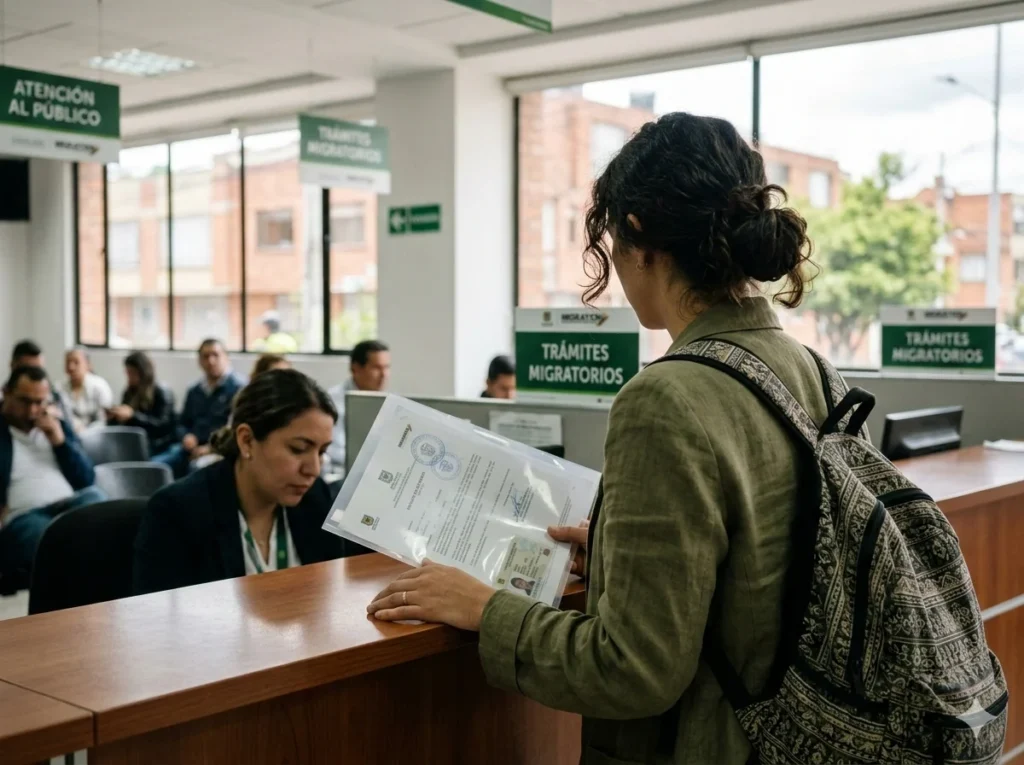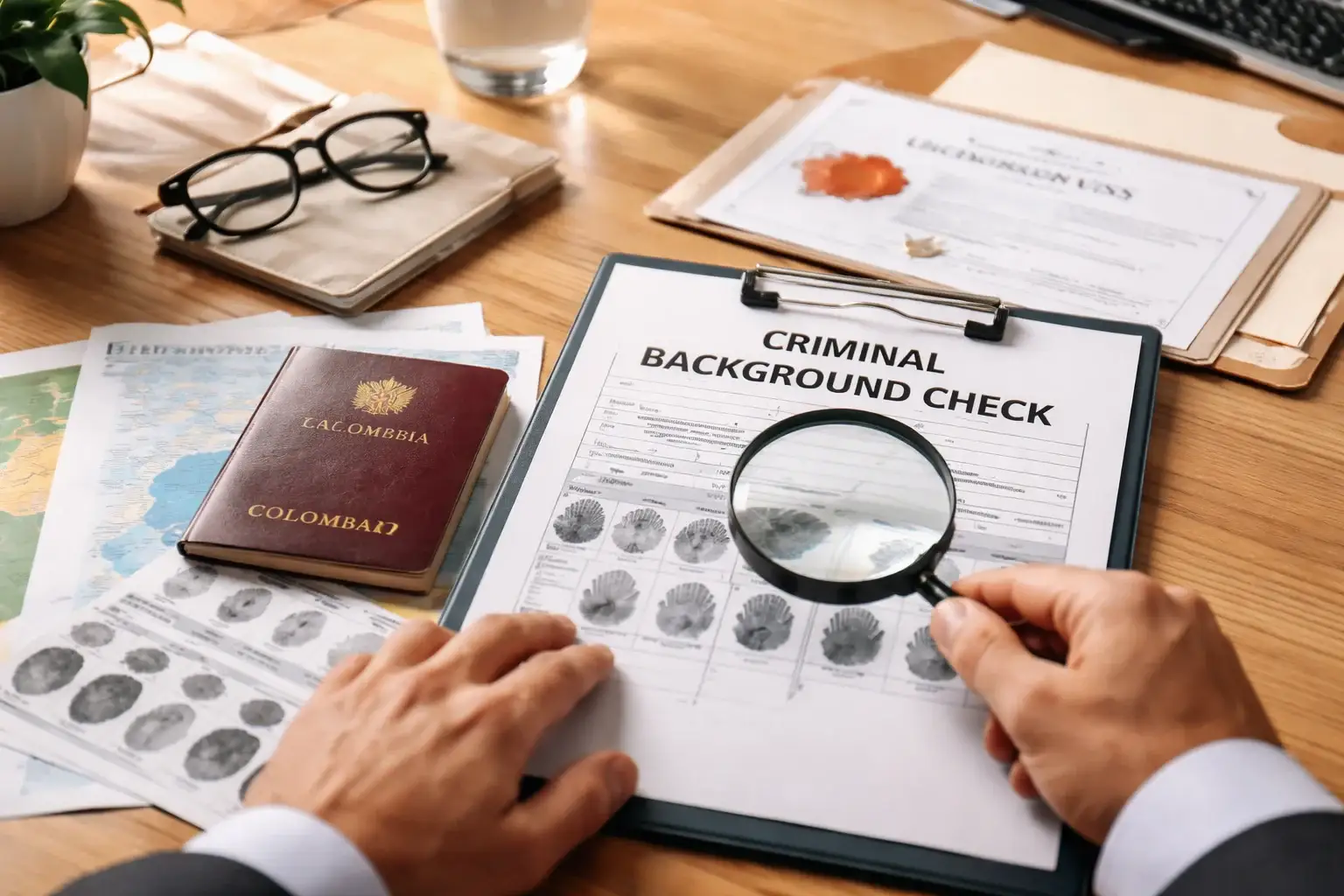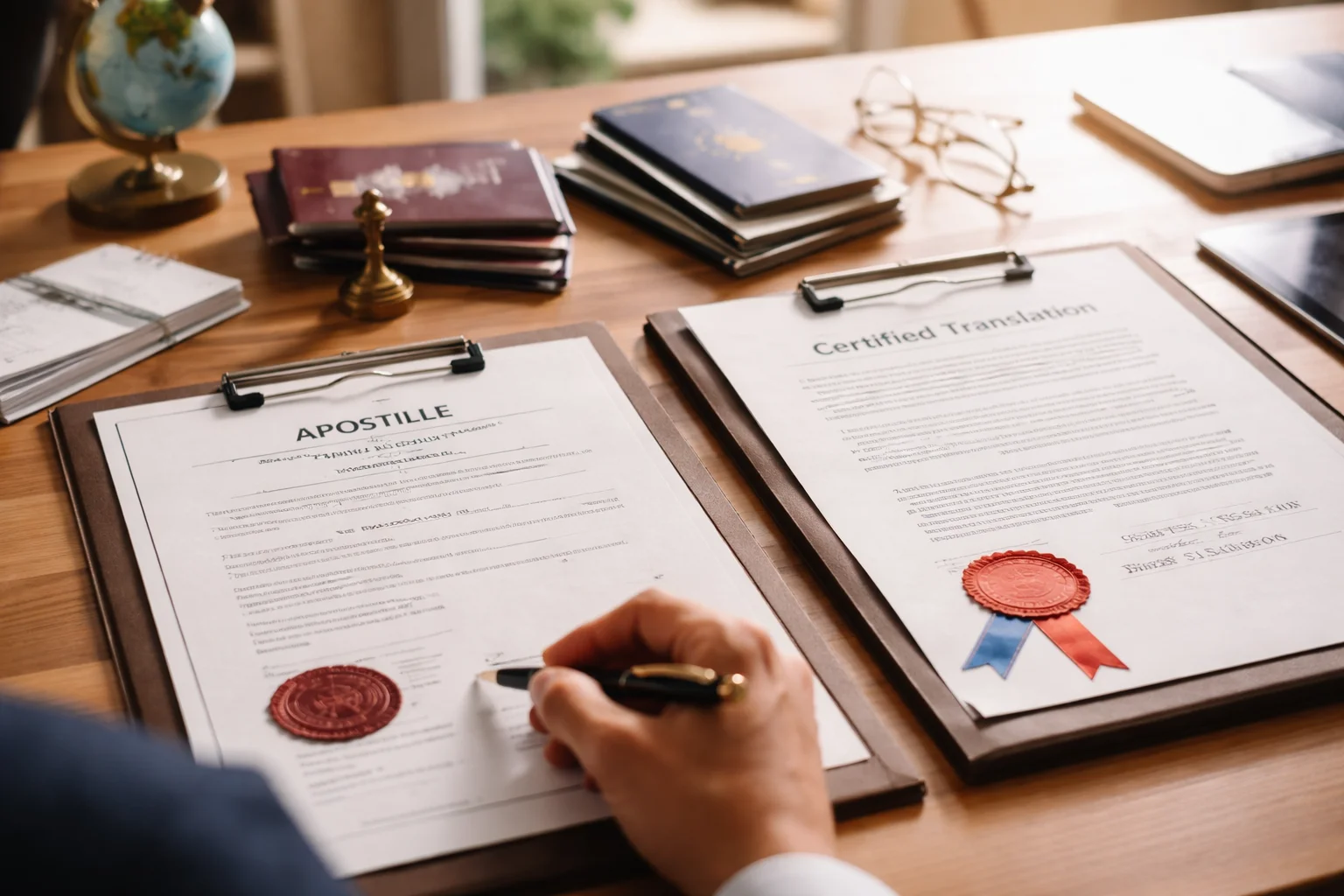
A visa transfer to a new passport in Colombia is required whenever your current visa is linked to an expired, lost, or replaced passport to avoid boarding denials or banking issues. The process typically takes 3 to 20 days and requires a Certificado de Movimientos Migratorios along with certified copies of both passports. In this guide, you will find a step-by-step checklist to reconcile your identity records, avoid administrative fines, and ensure a seamless transition for your cédula de extranjería.
When a transfer is needed: common scenarios
There are three common scenarios that create the need for a Visa Transfer to a New Passport in Colombia: (1) you received your visa sticker or electronic visa in a passport that later expired and you obtained a new passport; (2) your passport was lost or stolen and reissued with a new number; (3) the immigration authority issued a visa label or entry permit with a condition tied explicitly to a particular passport number. Each scenario has slightly different timing and documentary priorities, but all require action because Colombian migration records associate visa permissions with passport identifiers. If you are planning travel, check in advance whether the visa in the old passport already has been noted in Migración Colombia’s database; if not, you will need to request a formal transfer and present evidence linking the old and new passports.
Practical note: if you are unsure how long you can rely on your old passport for travel and entry while sorting a transfer, consult reliable guidance on how long to stay without a visa; a planning step like this reduces the chance of attempting to board a flight with conflicting documents. For direct procedural guidance on permitted stays and entry timing see how long to stay without a visa.
How a “status gap” appears operationally
Airline check-in and boarding problems
A status gap typically becomes visible at airline check-in or at the departure gate. Airlines screen passport numbers and visa annotations to reduce risk of denied boarding. If the passport you present does not match the passport number associated with the visa record, an airline may deny boarding or require formal proof that the visa belongs to you (for example, an official migration certificate or an authenticated copy of the prior passport). This is particularly frequent when the visa is a physical sticker or when migration records have not been updated after passport renewal.
Entry and exit friction at the border
At the point of entry into Colombia, migration officers check the validity of the visa permission and passport number on the spot. If the officer’s system shows the visa associated with a different passport number, you can face secondary inspection, delays, or even temporary refusal of entry pending documentary proof. Similarly, upon exit, airlines can flag you for a mismatch and report you to Migración Colombia, which may trigger further checks on any subsequent return trips.
Downstream administrative impact: cédula, banking, contracts
After an entry, several downstream procedures depend on a consistent migration record: applying for a cédula de extranjería, registering at a National Registry, opening bank accounts, or signing real-estate documents. Inconsistent passport numbers or mismatched name variants that were not reconciled during a formal transfer frequently cause rejections and additional requests for certified copies or notarized affirmations, delaying the process for weeks. To avoid this, a Visa Transfer to a New Passport in Colombia must be prioritized before you attempt those downstream, identity-dependent procedures.
Timing checklist: do this before travel (if possible)
Best practice is to complete the transfer before international travel whenever feasible. If you have time prior to travel, do the following: first, obtain certified copies of the old passport (page with the visa) and the new passport biodata page; second, request a Migration Certificate (certificado de movimientos migratorios) that evidences your previous entries and the visa linked to the old passport; third, file an official request with Migración Colombia to transfer or associate the visa record to the new passport number. Where possible, include translations if documents are in another language, and have at least one notarized document that links the old passport number to the new (for example, a sworn statement or a police report for lost passports). Doing this ahead of time removes most boarding and entry risk.
If you need a concrete timeline: for routine transfers where documents are complete, expect administrative processing of several days to a few weeks depending on Migración Colombia workload and whether you use a lawyer or representative. If your trip is urgent, use expedited channels and ensure you carry the full evidence package described below at the airport and with you for inspection.
Already in Colombia? Immediate actions and temporary fixes
If you are already in Colombia and discovered the mismatch, act immediately to avoid creating a longer gap. First, request a Migration Certificate from Migración Colombia which documents your current immigration events — this certificate often convinces airlines and banks in the short-term that you entered legally. Second, make a formal request to Migración Colombia to update the visa record to the new passport; include all linking evidence and a petition letter. Third, if you need to travel out of Colombia before the update is complete, request a written confirmation (official email or stamped certificate) from Migración Colombia showing the visa belongs to you. Also keep a notarized explanation that links old and new passport numbers for any third-party checks.
Operational tip: when you are already in Colombia and facing an emergency departure, carrying a printed Migration Certificate plus certified copies of both passports and the prior visa sticker is often sufficient for airlines to permit boarding and for immigration to allow temporary exit or re-entry under supervision.
Key evidence package for most transfers
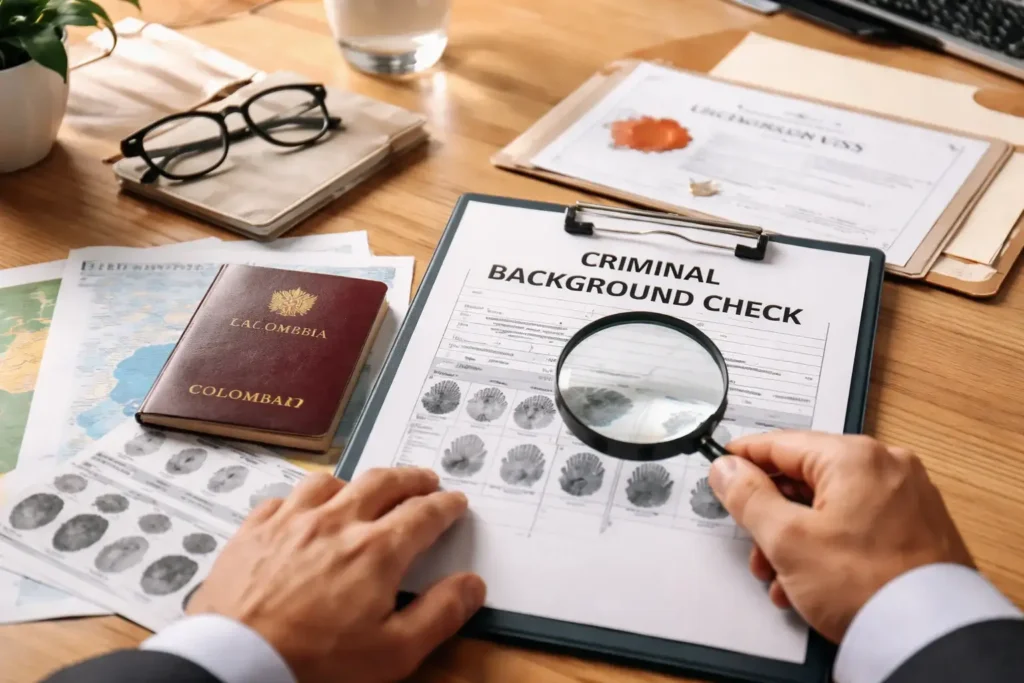
A complete and properly organized evidence package speeds authorization. The basic set usually includes: certified photocopy of the old passport (visa page), certified photocopy of the new passport biodata page, copy of the visa label or electronic visa record (if available), migration movements certificate (certificado de movimientos migratorios), a brief petition letter explaining the passport change and request for transfer, and any supporting police report or proof of passport reissue. Additionally, include copies of identity documents (national ID if dual nationality), marriage certificate if name changes apply, and notarized sworn statements when required.
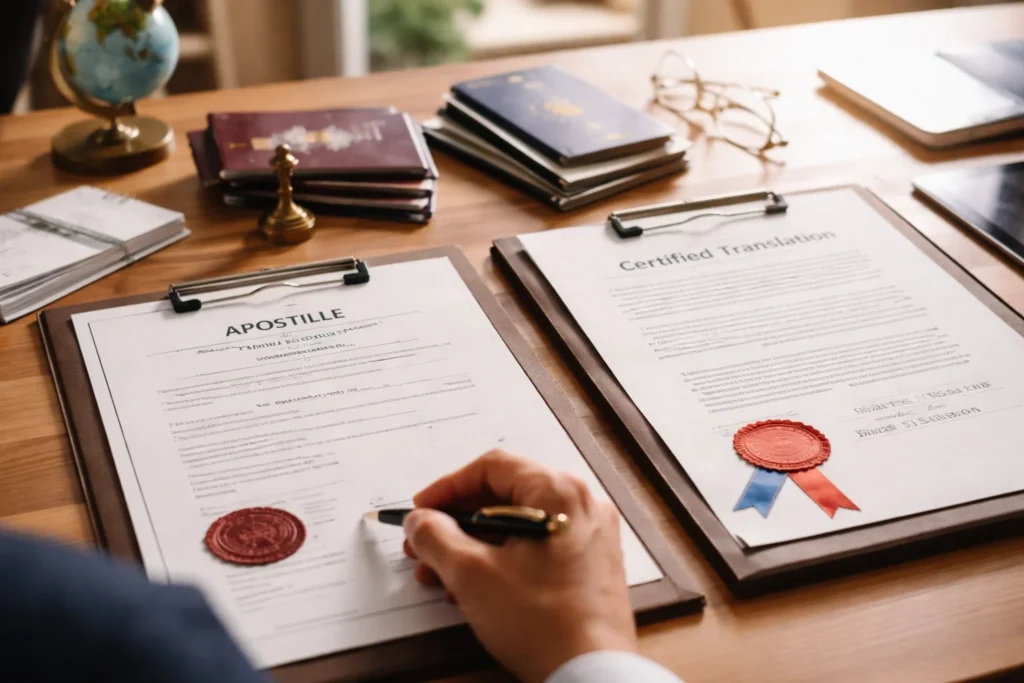
In many cases, authorities will also expect document consistency: identical name spellings, matching dates of birth, and clear linking evidence between passport numbers. If your name changed (marriage, legal name change), attach the civil record that explains the difference. A typical submission includes the certified old visa page, the new passport page, a translated and notarized sworn statement linking the two passports, and the certificado de movimientos migratorios that shows entries tied to the prior passport.
For practical management, prepare both digital PDFs and printed originals. Some airlines and banks will accept scanned PDFs sent electronically, but immigration officers frequently ask for the original or notarized copies on arrival.
Practical steps and sample timeline for a Visa Transfer to a New Passport in Colombia
Step 1: Gather documentation (1–3 days). Certified copies of both passports, visa page, and migration movement certificate.
Step 2: Submit formal request to Migración Colombia (same day) with petition letter and supporting evidence. Step 3: Await administrative confirmation (3–20 days depending on complexity and priorities).
Step 4: Receive written confirmation and verify the new passport is associated in the migration system; carry a printed copy.
Step 5: Use the confirmation when checking in, entering, or during administrative procedures such as cédula application. These times are approximate.
If you need to extend a tourist stay while a transfer is pending, consider a tourist visa extension in Colombia as a stopgap to maintain legal status.
| Situation | Immediate Risk | Key Documents |
|---|---|---|
| Passport renewed after visa issued | Airline denial, entry delay | Old visa page, new passport biodata, movement certificate |
| Passport lost/stolen | Entry refusal, identity verification issues | Police report, reissued passport, sworn statement |
| Name change since visa issuance | Bank and cédula rejections | Civil record proving name change, passports, visa copy |
Detailed operational checklist: what to present at check-in and on arrival
At airline check-in: always present your new passport plus a printed copy of the prior passport page with the visa. Also present the Migration Certificate if available. Ask the airline agent to confirm the ticket and boarding pass are issued under the new passport number and request a written note (email or stamp) if the agent flags a possible mismatch. At arrival: present the same set and request that the migration officer verifies the association in the system and prints any additional documentation they rely upon. If you are refused, ask for the refusal to be documented in writing and obtain the name and badge number of the official. That documentation will help when you submit a formal petition to Migración Colombia or a later appeal.
Do not attempt to resolve a mismatch only with informal assurances; always seek an official piece of paper that ties your visa to the new passport number. Temporary verbal confirmations are not robust enough for banks or notaries.

Talk to an English-speaking Colombia lawyer
Get clear, step-by-step legal guidance for visas, property, family and business matters in Colombia. We review documents, reduce risk, and represent you when needed. Send your details and we’ll respond with next steps.
Lost passport workflow and police reports
When a passport is lost or stolen the first administrative step is to obtain a police report in the country where loss occurred and a replacement passport from your home country’s consulate. The police report serves two functions: it explains the passport discontinuity to Colombian authorities and it is often required by your national mission to issue a replacement. Once you have the replacement passport, compile the police report, the replacement passport biodata page, and a certified copy of the lost passport’s visa page (if available) — sometimes your consulate can provide a record of the lost passport number. Submit this evidence to Migración Colombia and request the visa association to the new document.
Be mindful that when a passport is reissued with a different number, airlines and banks rely heavily on the official migration movement certificate to accept your status. Keep a digital and printed copy of that certificado de movimientos migratorios on hand.
Fines, overstays and legal risk: what to avoid
One of the most significant risks of leaving a visa linked to an old passport without transferring it is the hidden potential for administrative fines or complications if your immigration records ever show you overstayed or if the visa appears inactive. Colombia enforces consequences for overstays and status irregularities, and sometimes fines are charged retroactively. If you are concerned about potential overstay consequences resulting from a passport mismatch, you should learn in advance about the process for resolving fines and how long you can stay without a visa under special circumstances such as pending transfer; official resources and case precedents clarify the fees and appeal windows that may apply in those situations.
For a focused discussion of fines and possible penalties, review the official guidance on fines and consequences of overstaying and how they are processed in Colombia: fine for overstaying a visa.
Consistency matters: names, dates, and passport numbers
Preventable queries arise most often from inconsistent personal data. Always check that names (including middle names), date of birth, and nationality are spelled identically across all documents you will present. If there are accepted variants (for example, accent marks or different transliterations), add notarized evidence linking the variants and carry civil records that prove the legal name. Where possible, ask your home consulate to produce a document that ties the old passport number to the new one; many consulates will prepare a short, signed attestation for this purpose.
For international couples or those with marriage name changes, include a certified copy of the marriage certificate when you submit your transfer request — this avoids repeated rejections in bank and notary offices that expect name matching.
Step-by-step operational checklist
Use this one-sheet checklist immediately: 1) Get certified copy of old passport visa page; 2) Get certified copy of new passport biodata page; 3) Request certificado de movimientos migratorios from Migración Colombia; 4) Prepare a short petition letter requesting the transfer and attach notarized statements or police report when relevant; 5) Submit to Migración Colombia and request written confirmation of the association; 6) Carry originals and certified copies during travel and administrative appointments; 7) If travel is urgent, secure a written provisional confirmation from migration for airline and border use. Keep both digital files and 2 printed sets.
Talk to an English-speaking Colombia lawyer
Get clear, step-by-step legal guidance for visas, property, family and business matters in Colombia. We review documents, reduce risk, and represent you when needed. Send your details and we’ll respond with next steps.
Common mistakes and how to avoid them
Common mistakes include: (a) assuming the new passport automatically inherits the old visa without a formal update, (b) traveling with only digital photos of the old visa page without certified copies or migration certificates, and (c) ignoring name-variant documents when a legal name change exists. Avoid these errors by preparing certified copies and by requesting explicit written confirmation from Migración Colombia linking the visa to the new passport number. If you are uncertain whether your case requires a formal transfer or merely a presentation of documents, consult a lawyer or a migration specialist to confirm the proper administrative path.
If you are dealing with short deadlines, always present the migration certificate and a notarized affidavit linking both passports at check-in. It is often sufficient to convince an airline agent to permit boarding while the formal transfer is processed.
When to get professional help and what to expect from a lawyer
Engage a lawyer if the case includes a lost passport with unclear records, a name-change, a potential overstay, or if you need urgent processing for travel. A migration-focused lawyer can: draft the petition, organize notarizations and translations, request the migration movements certificate, and communicate with Migración Colombia on your behalf. Expect the lawyer to insist on original certified copies, to prepare a timeline for administrative steps, and to provide templates for communications with airlines and banks. Using a local lawyer who understands the operational steps reduces the chance of repeated requests and cutting delays.
Closing recommendations
To summarize: prioritize a formal Visa Transfer to a New Passport in Colombia when the visa is associated with an old passport number. Gather certified evidence, request a migration movements certificate, and seek written confirmation. Carry originals and certified copies to prevent boarding and administrative problems. When in doubt, get help from a migration attorney who can liaise with authorities and prepare a defensive evidence package.
Remember: document consistency — matching names, exact dates, and passport numbers — is the single best preventive measure against status gaps. Where name changes exist, include civil records. When passports are replaced, include police or consular reports. Act early to save time, cost, and the risk of denied boarding or entry.