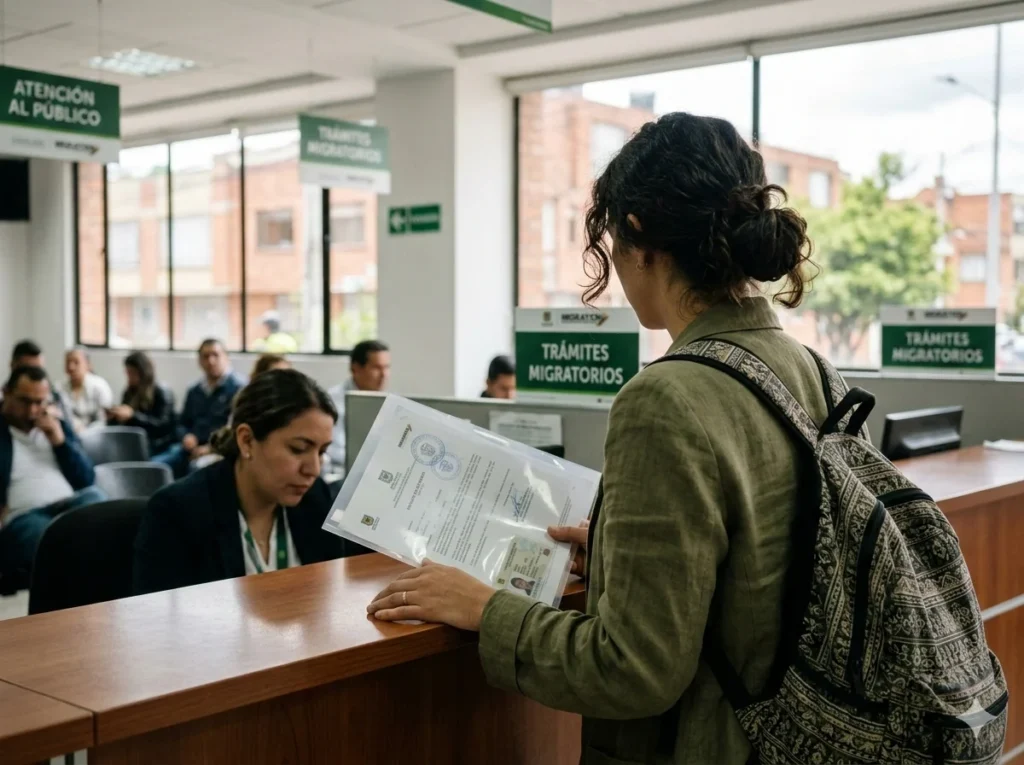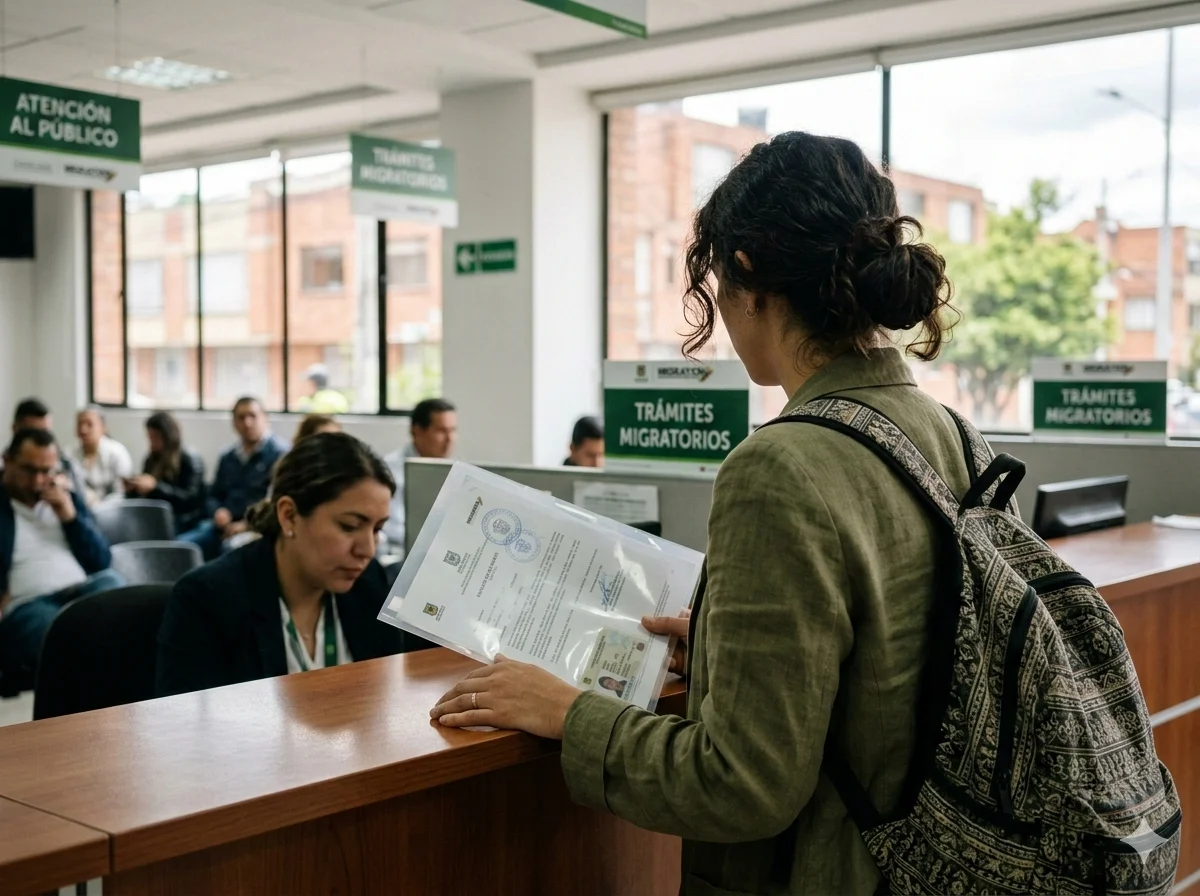
Cali is one of Colombia’s most attractive cities for foreigners seeking relocation, long-term stays, or investment opportunities. But whether you’re planning to rent or buy apartments in Cali, Colombia, the process involves more than picking a neighborhood—you must follow Colombia’s legal requirements, understand contracts, and comply with notary and immigration rules.
This guide explains what foreigners need to know before signing a lease or purchasing property, and how Stanford Baker & Associates can support every legal step.
Understanding Cali’s Residential Areas
Instead of recommending “the best neighborhoods,” foreign buyers and tenants should evaluate Cali’s areas based on legal security, property documentation, and building compliance, not only lifestyle. Cali is generally divided into four major residential sectors:
| Area | Key Characteristics | Legal Considerations |
|---|---|---|
| North (Norte) | Modern buildings and strong commercial activity; many rental options. | Stricter leasing requirements; foreigners may need extra documents or guarantees. |
| West (Oeste) | Upscale sectors like El Peñón and Normandía. | Older buildings—verify title history and potential renovation obligations. |
| South (Sur) | Newer residential projects in Ciudad Jardín and Pance. | Check construction permits and compliance with seismic regulations. |
| Central Areas (Centro) | More affordable and highly urban. | Higher risk of informal leases—always use a legally reviewed contract. |
Key point: Neighborhood choice should be based on living conditions + legal certainty, especially for foreigners unfamiliar with local regulations.
Legal Requirements for Renting Apartments in Cali, Colombia
Renting is straightforward, but strict legal compliance protects foreigners from fraud, unlawful evictions, or abusive clauses.
1. Visa Requirements
To rent long-term, foreigners should have a valid:
- Digital Nomad Visa
- Rentista / Pensionado Visa
- Marriage/Partner Visa
- Resident or Migrant Visa

Need Help Getting the Right Visa?
Stanford Baker & Associates assists with Digital Nomad, Rentista, Pensionado, Partner, and Migrant visas so you can rent legally in Cali.
2. Lease Agreements (Arriendo)
A rental contract in Colombia must include:
- Full identification of both parties
- Lease duration
- Exact rent amount and payment conditions
- Deposit terms
- Maintenance responsibilities
- Exit clauses and penalties
Foreigners should request a bilingual lease and avoid signing agreements written only by the landlord without legal review.
3. Deposits and Guarantees
Landlords may request:
- 1–2 months of deposit
- Proof of income
- Banking references
- A Colombian co-signer (fiador)
If you do not have a co-signer, your lawyer can structure legal alternatives recognized under Colombian law.
4. Notary and Registration Requirements (for Purchases)
If you choose to buy instead of rent, keep in mind:
- All real estate purchases must be signed and formalized at a Notaría.
- Your lawyer must confirm the property’s legal status before signing.
- DIAN and municipal payments must be fully up to date.
- Funds brought from abroad must be registered through Formulario 4, the required banking declaration that proves the legal origin of the money and ensures you can repatriate funds later.
This process protects you legally and ensures your purchase complies with Colombian regulations.
Legal Requirements for Buying Apartments in Cali, Colombia
Foreigners can buy property in Colombia with full ownership rights—but the process must follow a strict legal sequence to avoid disputes, rejected deeds, or DIAN-related problems. Here’s what every foreign buyer needs to know:
1. Property Title Search
Before any payment or agreement, your attorney must conduct a full legal review of the property, including:
- The Certificado de Tradición y Libertad
- Liens, mortgages, or ownership disputes
- Unpaid taxes or municipal debts
- Embargoes or legal claims
- Construction licenses and building compliance
For foreigners, this step is non-negotiable—most property conflicts arise from skipping proper title verification.
2. Promesa de Compraventa (Pre-Sale Agreement)
This binding contract outlines the entire deal before you reach the notary. It must specify:
- Final purchase price
- Payment terms
- Deadlines for each step
- Conditions and responsibilities
- Penalties for breach
A well-drafted Promesa protects you long before the final deed is signed.
3. Escritura Pública (Final Deed Signing)
The property legally becomes yours only after signing the notarized deed. Your lawyer ensures:
- All taxes and fees are cleared
- Identities and powers of attorney are validated
- Funds are properly registered
- No risky or unenforceable clauses are included
Without proper legal review, the notary can reject the transaction.
4. Foreign Exchange & DIAN Rules
If money enters Colombia from abroad, it must be reported correctly through the foreign exchange system. Proper registration safeguards:
- Your ownership rights
- Future resale
- Repatriation of funds
- Avoidance of DIAN audits or bank freezes
Legal Help for Buying Property in Cali
Ensure your purchase is safe and compliant with proper title search, due diligence, and DIAN reporting. Stanford Baker & Associates handles the full legal process for foreign buyers.
Average Prices of Apartments in Cali, Colombia
Apartment prices in Cali vary depending on the sector, building age, amenities, and overall security. The following ranges are approximate market values based on current trends and may fluctuate depending on demand and property condition.
High-End Apartments (Oeste, Ciudad Jardín, Pance)
- Rent: COP 2,500,000 – 6,000,000 per month
- Purchase: COP 500M – 1.5B+
These areas often offer top-tier amenities—24/7 security, gyms, green areas, pools, and private parking.
Mid-Range Apartments (Norte, Oeste)
- Rent: COP 1,500,000 – 2,500,000 per month
- Purchase: COP 250M – 600M
Well-connected neighborhoods with reliable infrastructure and a wide range of building types.
Budget Apartments (Centro, East Cali districts)
- Rent: COP 700,000 – 1,200,000 per month
- Purchase: COP 150M – 300M
More affordable options, but buyers and tenants should exercise stronger legal caution due to the higher likelihood of informal contracts or irregular documentation.
If you’re considering buying instead of renting and want guidance on safe, legally sound areas of Colombia, explore this resource: Safest Places in Colombia.
Common Challenges for Foreigners
- Language Barriers: Leases and contracts are written in Spanish; misunderstandings are common without legal review.
- Scams or Informal Rentals: Some landlords rent apartments that are not legally registered or have unpaid taxes.
- Incorrect Documentation: Foreigners often lack DIAN registration, proof of income, or visa status required for formal leases.
- Legal Disputes Over Deposits: Without a notarized and reviewed contract, recovering deposits can be difficult.
Solution: A bilingual legal team ensures every document, payment, and clause complies with Colombian law.
Your Next Steps: Rent or Buy Legally in Cali
If you’re evaluating apartments in Cali, Colombia, whether for renting or buying, having a legal advisor ensures:
- Safe contracts
- Proper documentation
- Verified properties
- Protection against fraud
- Compliance with DIAN and notary rules
Stanford Baker & Associates assists foreigners throughout the whole process—from visa eligibility to contract drafting, title review, and notary representation.
Ready to rent or buy an apartment in Cali?
Stanford Baker & Associates provides full legal support for foreigners navigating the Colombian real estate system.
We review contracts, verify title documents, ensure compliance with notary and DIAN requirements, and protect you from common legal risks. Move forward confidently with a team that specializes in assisting international tenants and buyers.