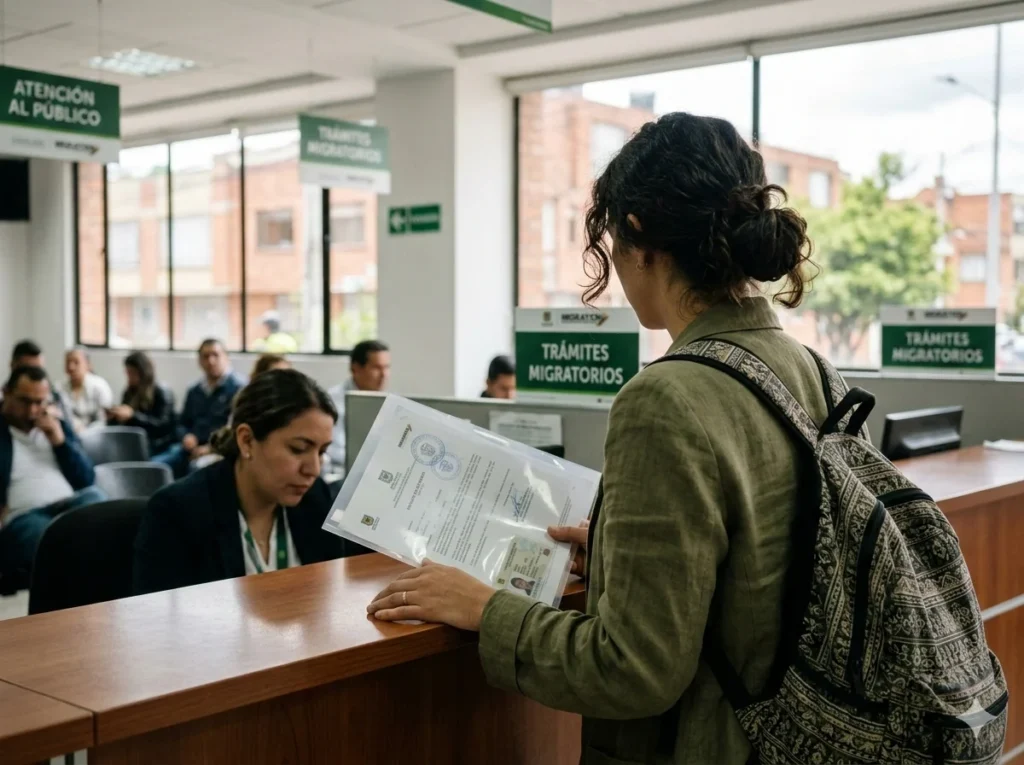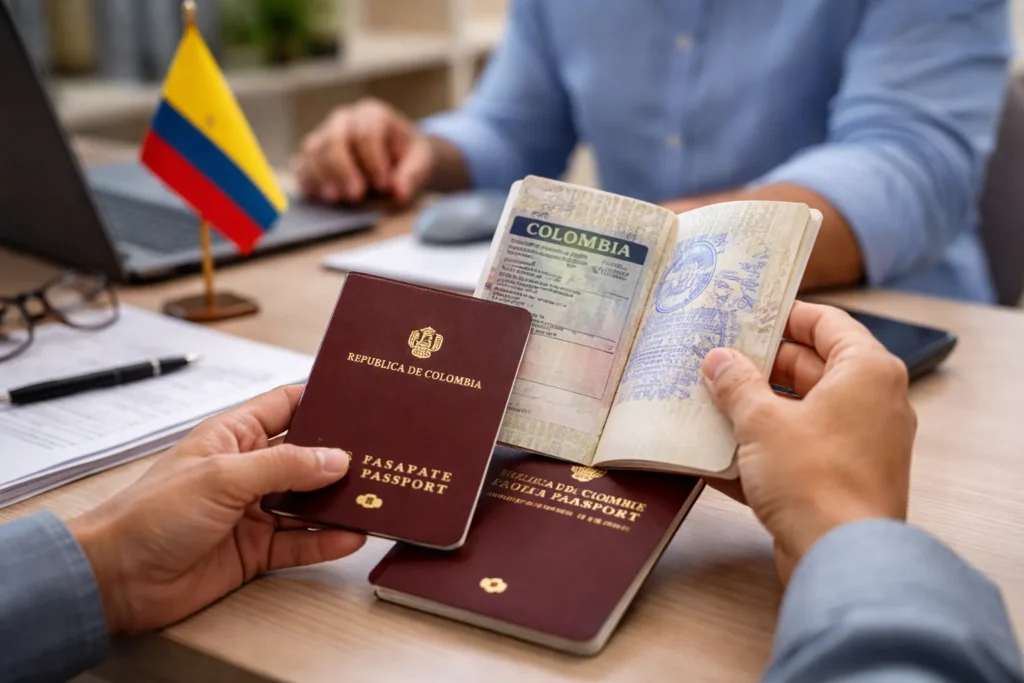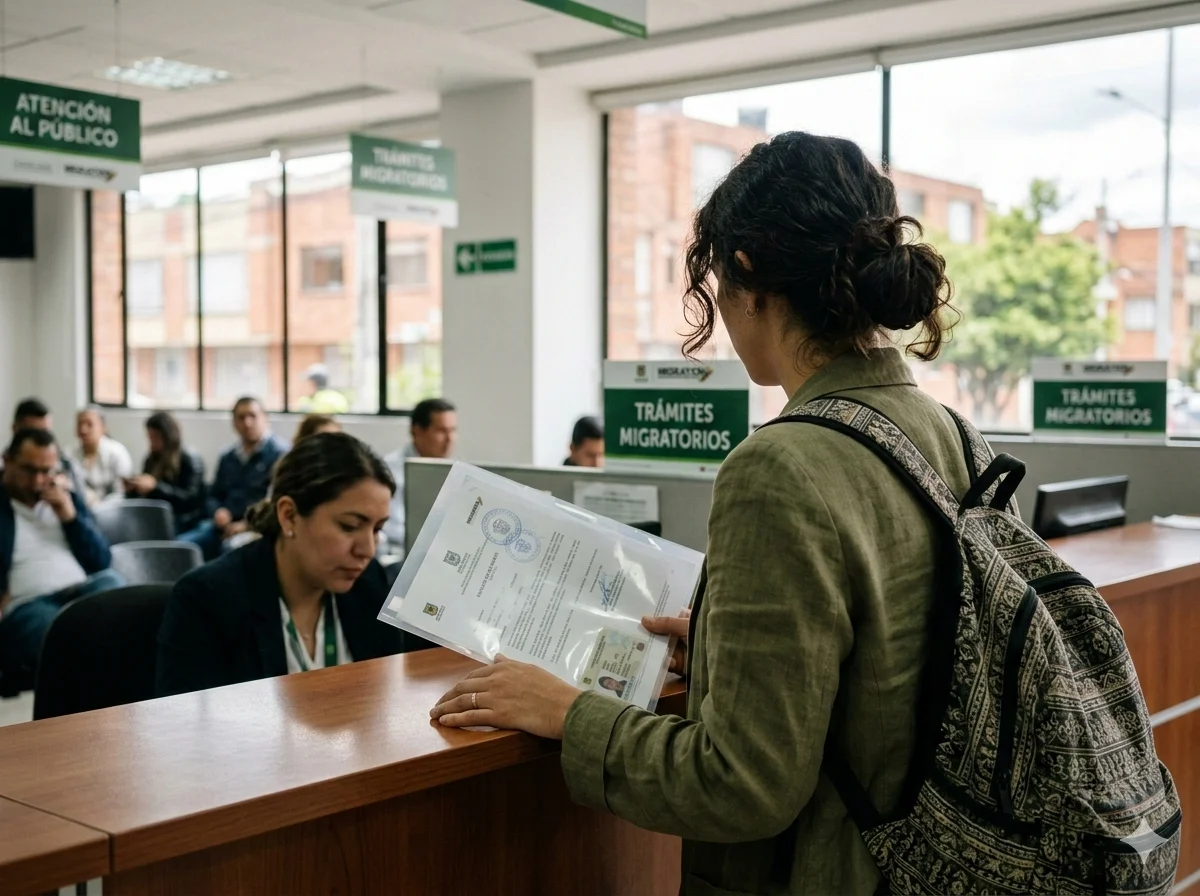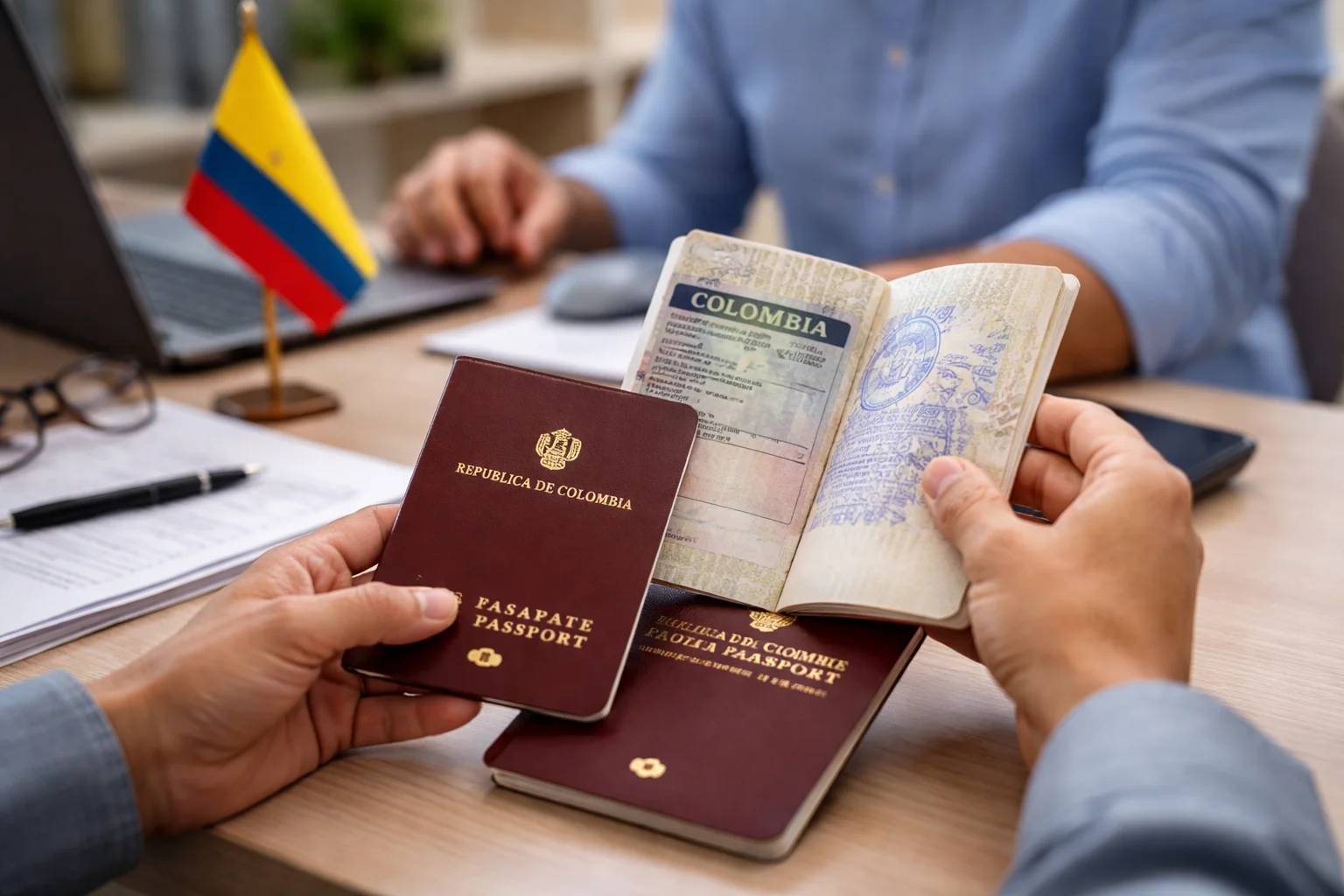
Selling property in Colombia as a foreigner involves more than finding a buyer—it requires navigating a structured legal process, understanding tax obligations, and complying with strict rules for transferring funds abroad. Whether you’re relocating, liquidating an investment, or simply ready to sell, knowing the correct legal steps is essential. This guide explains everything you need to complete a secure sale and highlights why having a local attorney is crucial when selling property in Colombia.
Understanding the Legal Framework for Foreign Sellers
Selling property in Colombia as a foreigner requires following a structured legal process to ensure the sale is valid and problem-free. Understanding how the system works from the start helps you protect your investment and complete the transaction with confidence.
What the Law Requires?
In Colombia, property transfers are formal legal acts, and every step must be executed correctly to avoid disputes, delays, or rejection at the notary. Before starting the sale, it’s essential to confirm that the property has a clear and marketable title, meaning it is free of liens, unpaid taxes, embargoes, or legal claims. Stanford Baker & Associates can guide you through this verification process to ensure the transaction moves forward smoothly. Learn more here.
Essential Legal Steps for Selling Your Property
Selling property in Colombia requires completing several legal steps that must align with notary requirements and DIAN regulations. Understanding this process helps foreign sellers avoid delays, prevent compliance issues, and ensure the transaction moves forward smoothly.
1. Title Verification and Initial Documentation
Your attorney begins by obtaining and reviewing:
- The Certificado de Tradición y Libertad
- Proof of property tax and valuation payments
- Administration fee history (if applicable)
- Previous deeds and registration records
This step is critical to confirm that the title is clean and eligible for transfer. For many foreigners asking “what documents do I need or how to sell my property in Colombia?”, this verification is the foundation of a safe transaction.
2. Drafting the Promise of Sale (Promesa de Compraventa)
In Colombia, most transactions require signing a Promesa de Compraventa—a legally binding pre-contract outlining:
- Agreed price
- Payment terms
- Deadlines
- Conditions for the sale
- Obligations for both parties
This document protects you if the buyer defaults and ensures the process continues under clear legal terms.
3. Granting a Power of Attorney (If You’re Abroad)
Foreign sellers often do not remain in Colombia throughout the process. Through a Power of Attorney, your lawyer can:
- Sign contracts on your behalf
- Request documents
- Appear before the notary
- Handle the entire sale without your physical presence
This is one of the most common and useful tools for foreign sellers.
4. Final Sales Agreement and Notary Process
Once due diligence and negotiations are complete, your lawyer drafts the Escritura Pública de Compraventa (final deed). The notary ensures:
- All legal requirements are met
- Seller and buyer identities are verified
- Taxes and fees are paid
- The transfer is properly recorded
Colombia does not allow informal or private transfers. Only notarized deeds have legal validity. If you’re also evaluating property values in the country, you may find this related guide helpful: How Much Is a House in Colombia?

Need Legal Help to Sell Your Property?
Selling property in Colombia as a foreigner requires proper contracts, notary compliance, and DIAN-approved documentation. Our attorneys ensure a smooth, secure, and fully legal transaction from start to finish.
Tax Obligations When Selling Property in Colombia
Selling property in Colombia comes with specific tax responsibilities, all regulated by the DIAN. Understanding these obligations is essential to avoid delays at the notary, issues with repatriating funds, or penalties for incorrect reporting.
Capital Gains Tax (Ganancia Ocasional)
Foreigners must pay capital gains tax when selling real estate in Colombia. This tax is calculated based on the difference between the original purchase price and the final selling price, adjusted for inflation. Key points:
- The standard tax rate is 10%.
- It applies whether or not the seller is a Colombian tax resident.
- The declaration is required even if the money is transferred abroad.
If the capital gain is calculated incorrectly or not declared, DIAN may block the funds, delay the sale authorization, or impose financial sanctions.
Income Tax Implications
In certain cases, DIAN may classify the revenue from the sale as ordinary income instead of capital gains—for example, if the property was owned for a short period, used for commercial purposes, or part of an investment business. A lawyer ensures the sale is classified correctly, preventing higher tax liability or unnecessary scrutiny.
Other Required Payments
Before the notary can finalize the transaction, the seller must prove that all related obligations are paid in full:
- Property tax (Predial)
- Valorización fees, if applicable
- HOA or administration fees
Any outstanding balance may stop the notary from completing the transfer, which can delay the process and affect the release of funds.
Transferring Money Abroad After the Sale
Once the property is sold, foreign sellers must follow Colombia’s foreign exchange rules to legally move their funds abroad.
Bank Reporting and Exchange Rules
To transfer funds outside Colombia:
- The money must pass through the Colombian regulated foreign exchange market
- Your bank will require a Formulario 4 or equivalent declaration
- Funds must be properly registered to avoid future restrictions
Your attorney ensures the documentation matches DIAN regulations, preventing delays or banking freezes.
Converting and Repatriating Funds
You may send the proceeds to a U.S. bank account or another country, but all movements must be documented to show lawful origin. Incorrect filings can trigger audits or block the transfer.
Common Mistakes Foreigners Should Avoid
- Relying on a realtor instead of a lawyer for legal steps
- Attempting to sell with incomplete documentation
- Underestimating the effects of capital gains tax
- Transferring money abroad without proper reporting
- Signing contracts drafted without legal oversight
These issues can cause financial loss, tax penalties, or rejection of the sale at the notary. For foreign sellers, an attorney is not optional—it is essential.
Selling or Buying Property in Colombia?
Whether you’re selling a property or planning your next investment, having the right legal guidance is essential. Our attorneys ensure your transaction is compliant, secure, and fully validated before the notary.
Your Next Step Toward a Smooth and Legal Sale
Selling property in Colombia involves precise legal, tax, and banking steps. From verifying title documents to declaring capital gains and repatriating the funds abroad, each phase requires careful execution to avoid costly complications. If you’ve ever wondered how to sell my property in Colombia, the safest approach is to work with a legal team experienced in foreign seller transactions.
Get Trusted Legal Support for Selling Property in Colombia
Closing a real estate sale as a foreigner requires precise legal, tax, and notary compliance. Stanford Baker & Associates provides the expert guidance you need to navigate every step of selling property in Colombia safely and confidently. Let our attorneys help you protect your investment and ensure a smooth, fully compliant transaction from start to finish.